
The situation in India’s northeastern state of Manipur has deteriorated into a serious human rights crisis marked by violence, displacement, and deep social divisions.
Recent reports of a deadly improvised explosive device (IED) attack in East Manipur, which killed two siblings and injured their mother, have once again drawn attention to the fragile and volatile conditions in the region.
Beyond this single incident lies a broader pattern of unrest. Ongoing ethnic tensions, militarization, and strict state responses—including internet shutdowns and curfews—have created an environment where civilians face insecurity, limited freedoms, and disruption of daily life.
As competing narratives emerge and allegations circulate, the urgent need for careful, fact-based human rights monitoring becomes clear.
The crisis in Manipur reflects not only immediate violence but also deeper structural issues involving governance, identity, and accountability.
Background and Historical Context
Manipur has long experienced political instability, ethnic tensions, and demands for autonomy.
The state is home to diverse communities, most notably the Meitei and Kuki groups, whose relationship has been shaped by historical grievances, land disputes, and political marginalization.
Tensions escalated sharply in May 2023, when large-scale violence broke out between these communities.
Clashes led to widespread destruction of property, loss of life, and mass displacement. Since then, repeated outbreaks of violence have continued, making Manipur one of the most sensitive conflict zones in India.
Over time, these tensions have been compounded by a heavy security presence. Laws and policies aimed at maintaining order have often been criticized for limiting civil liberties. As a result, trust between local populations and state authorities has weakened significantly.
Conflict Dynamics and Current Situation
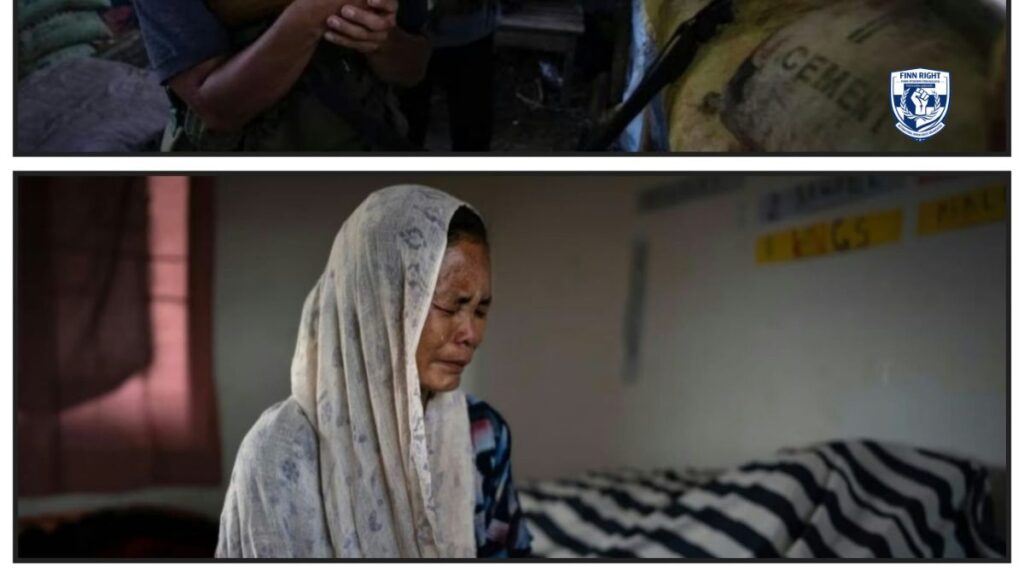
The current crisis in Manipur reflects a complex interplay of ethnic conflict, militant activity, and state security operations.
Armed groups have operated in the region for years, and the use of improvised explosive devices highlights the evolving tactics of such actors.
The recent attack in the Moirang Valley area of Bishnupur district underscores the ongoing risks faced by civilians. According to police reports, suspected militants targeted a residential location, resulting in civilian casualties.
In response, authorities imposed strict measures, including:
- Suspension of internet services across multiple districts
- Curfews in sensitive areas
- Increased surveillance, including biometric monitoring
- Manipur
While these steps are presented as necessary to maintain order and prevent misinformation, they also raise concerns about restrictions on communication, access to information, and freedom of movement.
The aftermath of the attack saw widespread unrest. Local protests escalated into acts of arson and vandalism, including the burning of vehicles and damage to police infrastructure. Law enforcement responded with force to disperse crowds, further intensifying tensions.
Targeted Human Rights Violations
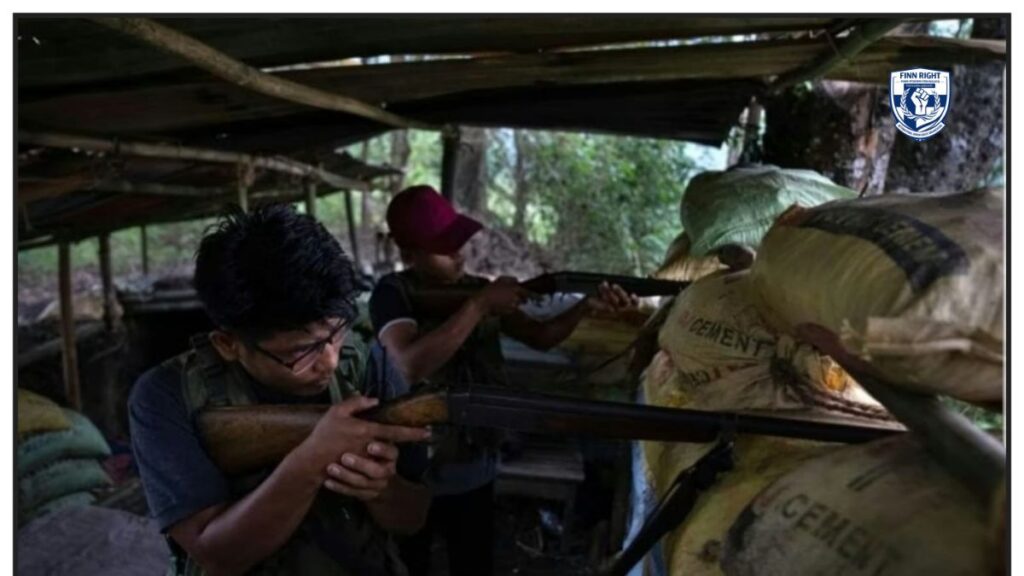
The situation in Manipur raises serious human rights concerns across several areas:
Civilian Harm and Violence
The use of explosive devices in residential areas highlights the vulnerability of civilians. Such attacks violate fundamental principles of international humanitarian law, which require the protection of non-combatants.
At the same time, allegations of excessive use of force by security personnel—such as firing on protestors—have raised questions about proportionality and accountability.
Restrictions on Freedom of Expression and Information
The suspension of internet services across several districts significantly limits access to information. While authorities justify these measures as necessary to prevent misinformation, prolonged shutdowns can restrict:
- Freedom of expression
- Access to news and emergency communication
- Documentation of human rights abuses
- Manipur
Arbitrary Restrictions and Surveillance
Curfews and enhanced surveillance measures, including biometric monitoring, raise concerns about privacy and civil liberties. Such actions must be balanced against the need to respect individual rights and avoid unnecessary intrusion.
Destruction of Property
Reports of vehicles being burned and infrastructure damaged during protests reflect a breakdown in law and order.
However, allegations regarding the destruction of civilian resources by security forces, if verified, would represent a serious violation of human rights and humanitarian principles.
Impact on Individuals and Communities
The human cost of the conflict in Manipur is severe and ongoing.
Displacement
More than 60,000 people have been displaced since the outbreak of violence in 2023. Many have taken shelter in temporary camps or with relatives, often lacking access to adequate resources.
Family Loss and Trauma
The death of civilians, including children, leaves lasting emotional and psychological scars. Families are not only grieving loss but also living in constant fear of further violence.
Fear and Insecurity
Daily life in affected areas is marked by uncertainty. Residents face the risk of attacks, restrictions on movement, and limited access to essential services.
Social Fragmentation
The conflict has deepened divisions between communities. Trust has eroded, and reconciliation remains a distant goal. Social cohesion, once a stabilizing factor, has been significantly weakened.
Legal, Political, and Institutional Analysis
The crisis in Manipur reflects broader challenges within legal and governance systems.
Authorities are tasked with maintaining order, yet their actions must align with constitutional protections and international human rights standards.
Measures such as curfews and internet shutdowns must be necessary, proportionate, and time-bound.
Allegations of excessive force, arbitrary detention, or misconduct by security forces require independent investigation. Without accountability, trust in institutions continues to decline.
At the same time, the presence of militant groups and the use of violence by non-state actors complicate the situation. Both state and non-state actors have responsibilities under human rights and humanitarian law.
Humanitarian Crisis and Displacement
The scale of displacement in Manipur has created significant humanitarian challenges.
- Shelter: Many displaced families live in overcrowded conditions.
- Food and Water: Access to basic necessities is inconsistent.
- Healthcare: Medical services are strained, particularly in remote areas.
- Manipur
Humanitarian organizations play a critical role in providing relief, but access to affected areas can be limited due to security concerns.
Identity-Based Tensions and Vulnerability
The conflict in Manipur is deeply tied to identity. Ethnic and community affiliations influence access to resources, security, and political representation.
This dynamic increases vulnerability, as individuals may be targeted based on their identity. It also complicates efforts toward peace, as grievances are rooted in long-standing historical and social issues.
Responses, Coping Mechanisms, and Resilience
Despite the challenges, communities in Manipur continue to show resilience.
- Local networks provide support to displaced families
- Community leaders attempt to mediate tensions
- Digital platforms, where accessible, are used to share information and organize assistance
- Manipur
However, these efforts are often limited by restrictions and ongoing insecurity.
International Response and Global Implications
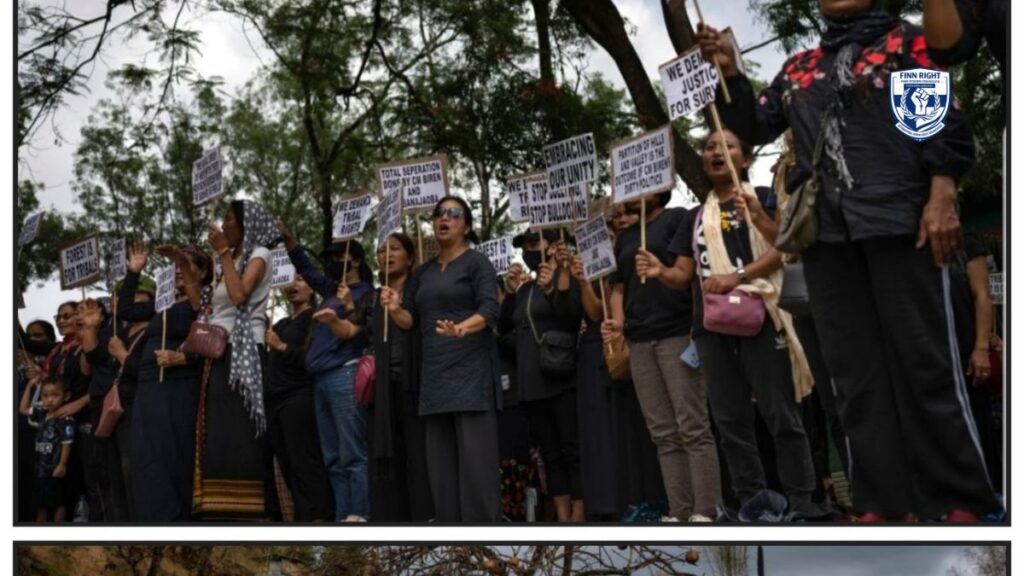
The situation in Manipur has drawn attention from human rights organizations and international observers. Calls have been made for:
- Independent investigations into alleged abuses
- Protection of civilians
- Restoration of communication services
The crisis also highlights broader global concerns about the use of emergency measures and the balance between security and human rights.
Future Risks and Outlook
The outlook for Manipur remains uncertain. Continued violence, lack of trust, and unresolved grievances pose significant risks for further escalation.
Without sustained efforts toward dialogue, accountability, and reconciliation, the cycle of violence may persist. Long-term stability will require addressing both immediate security concerns and underlying structural issues.
Conclusion and Call to Action
The crisis in Manipur is a complex and deeply concerning human rights situation. Civilians continue to bear the brunt of violence, while restrictions on communication and movement further complicate daily life.
Urgent action is needed to protect human rights, ensure accountability, and provide humanitarian support. This includes:
- Independent and transparent investigations into all allegations of abuse
- Protection of civilians from both state and non-state violence
- Restoration of communication and access to information
- Support for displaced communities
At its core, the situation in Manipur is about the protection of human dignity. Addressing this crisis requires not only immediate action but also long-term commitment to justice, inclusion, and peace.
Read more about the Manipur crisis, India unrest, and global human rights issues on our site.