The protection of civilians in times of war is a cornerstone of international humanitarian law.
Yet recent developments involving the United States, Iran, Israel, and ongoing conflicts such as Ukraine highlight a deeply troubling erosion of these protections.
Reports of threats to target civilian infrastructure, the alleged use of prohibited weapons, and the continued destruction of healthcare systems reflect a growing disregard for the laws designed to limit the human cost of war.
Statements attributed to US leadership regarding potential attacks on Iranian infrastructure, alongside allegations of Iran using cluster munitions against civilian populations, raise urgent legal and moral concerns.
Human rights organizations, including Finland-based watchdog Finn Stands for Rights, have warned that such actions, if carried out, could constitute serious violations of the Geneva Conventions.
At the same time, ongoing conflicts in Ukraine and elsewhere demonstrate a consistent pattern: civilians are paying the highest price.
Hospitals are damaged, children are injured or killed, and essential services are disrupted. This report examines the broader human rights implications of these developments, focusing on the systems, decisions, and failures that place civilian lives at risk.
Background and Historical Context
International humanitarian law, particularly the Geneva Conventions, was established to protect civilians and limit the destruction caused by armed conflict.
These legal frameworks prohibit attacks on non-combatants and civilian infrastructure, including hospitals, schools, and essential utilities such as water and electricity systems.
Historically, violations of these laws have occurred in many conflicts, but the global consensus has remained clear: civilians must not be targeted.
However, in recent years, the nature of warfare has evolved. Conflicts are increasingly characterized by urban combat, advanced weapon systems, and blurred lines between military and civilian spaces.
Tensions between the United States and Iran have been longstanding, rooted in political, ideological, and strategic disagreements.
Similarly, regional instability involving Israel and Iran has heightened the risk of broader conflict. These tensions, combined with ongoing wars such as in Ukraine, create an environment where violations of humanitarian law are more likely to occur.
Conflict Dynamics and Current Situation

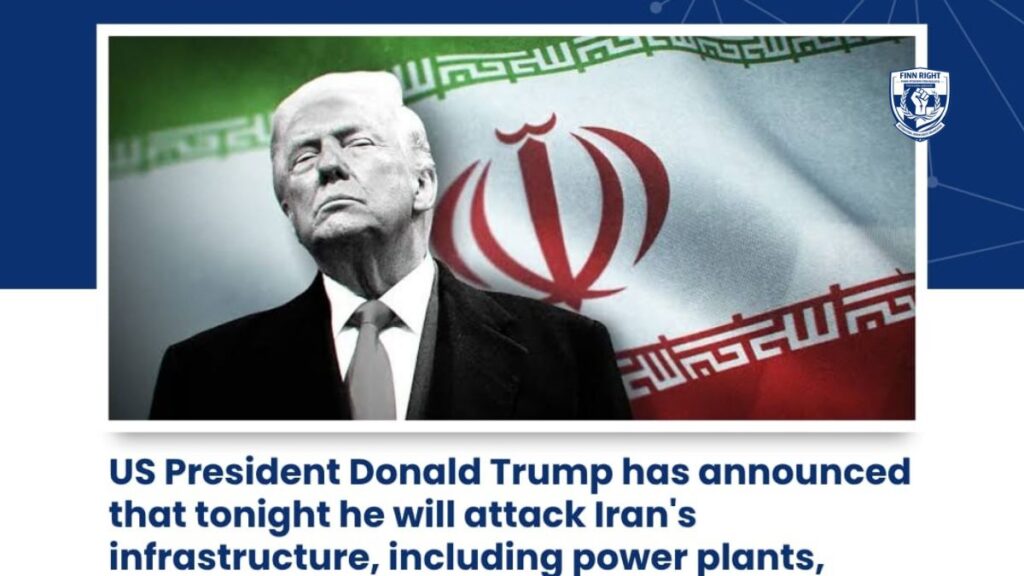
Recent statements attributed to US President Donald Trump have raised alarm among human rights observers.
The reported intention to target Iranian infrastructure—including power plants, hospitals, and bridges represents a significant escalation.
Such infrastructure is essential for civilian survival, and attacking it would have widespread humanitarian consequences.
At the same time, allegations that Iran has used cluster munitions against Israeli civilian populations further complicate the situation.
Cluster munitions are widely condemned due to their indiscriminate nature and long-term danger to civilians, particularly children.
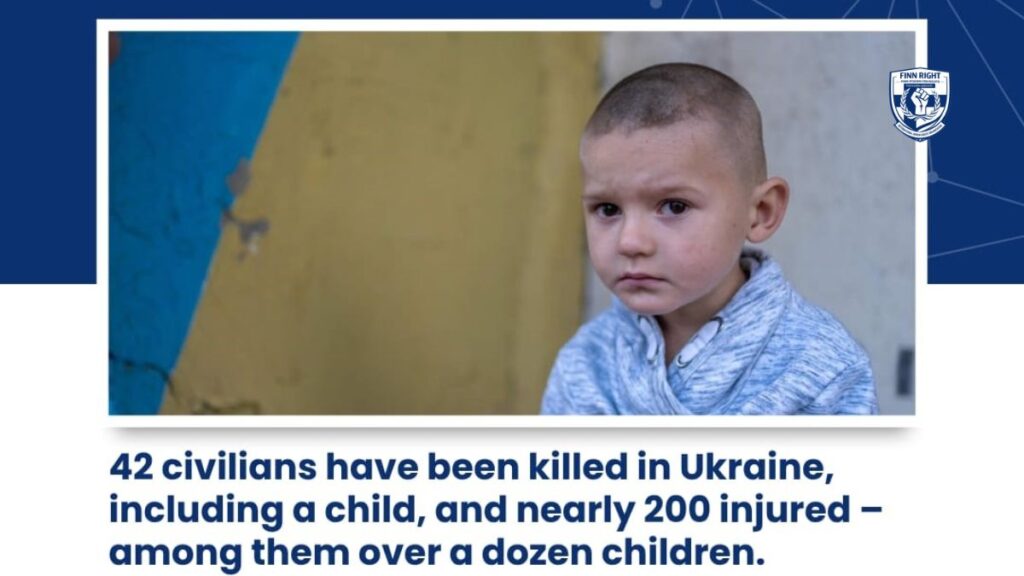
Meanwhile, in Ukraine, ongoing attacks continue to result in civilian casualties, including children.
Reports indicate that dozens have been killed and hundreds injured, with critical infrastructure such as healthcare facilities and energy systems damaged.
These developments illustrate a broader pattern: modern conflicts increasingly involve direct or indirect harm to civilians.
Targeted Human Rights Violations
Attacks on Civilian Infrastructure
Targeting infrastructure such as hospitals, power plants, and water systems has devastating effects on civilian populations. These facilities are essential for survival, and their destruction can lead to:
- Loss of access to healthcare
- Disruption of electricity and clean water
- Breakdown of communication systems
- Increased mortality among vulnerable populations
- Civilians
Human rights organizations have warned that deliberate attacks on such infrastructure may constitute war crimes under international law.
Use of Prohibited Weapons
Cluster munitions are considered highly dangerous due to their wide-area impact and the unexploded remnants they leave behind.
Their use in civilian areas violates key principles of international humanitarian law, including distinction and proportionality.
Allegations of their use against civilian populations highlight the urgent need for accountability and adherence to global norms.
Civilian Casualties and Indiscriminate Attacks
The killing and injury of civilians, including children, remain a central concern. In Ukraine, recent reports indicate dozens of civilian deaths and widespread injuries, along with damage to schools and healthcare facilities.
These incidents reflect a pattern of indiscriminate attacks that fail to distinguish between military targets and civilian life.
Impact on Individuals and Communities
The consequences of these violations extend far beyond immediate casualties.
Loss of Life and Injury
Civilians, including children, are among the most affected. Injuries often lead to long-term disabilities, while fatalities leave families and communities devastated.
Collapse of Essential Services
When hospitals are damaged or destroyed, patients lose access to care. Health workers face risks to their safety but often continue their work under extreme conditions.
The loss of electricity and water further compounds the crisis, affecting daily life and survival.
Fear and Psychological Trauma
Constant exposure to violence creates an environment of fear and insecurity. Families live with uncertainty, unsure whether they will have access to basic necessities or safety.
Displacement and Social Fragmentation
Conflict forces people to flee their homes, leading to displacement and the breakdown of communities. Displaced individuals often struggle to access shelter, food, and healthcare, increasing their vulnerability.
Legal, Political, and Institutional Analysis
The reported threats and actions raise serious legal concerns under international humanitarian law. The Geneva Conventions clearly prohibit:
- Attacks on civilians and civilian infrastructure
- Use of indiscriminate weapons
- Denial of essential services necessary for survival
- Civilians
If verified, actions such as targeting hospitals or using cluster munitions would constitute grave breaches of these principles.
Political decisions play a critical role in shaping these outcomes. Statements by leaders can influence military actions and signal intentions.
When such statements suggest disregard for civilian protection, they undermine global norms and increase the risk of violations.
Institutional failures, including lack of accountability and weak enforcement mechanisms, further exacerbate the problem. Without consequences, violations are likely to continue.
Humanitarian Crisis and Displacement
The cumulative effect of these conflicts is a growing humanitarian crisis.
Millions of people in conflict zones face:
- Limited access to food and clean water
- Overburdened or destroyed healthcare systems
- Inadequate shelter and protection
- Civilians
Humanitarian organizations play a vital role in providing assistance, but their efforts are often hindered by security risks and restricted access.
Health workers, in particular, operate under dangerous conditions, yet continue to deliver care to those in need.
Religious Freedom and Identity-Based Persecution
While the current developments are largely geopolitical, identity-based targeting remains a risk in many conflict settings. Religious and ethnic identities can increase vulnerability, leading to discrimination, violence, and exclusion.
Ensuring protection for all individuals, regardless of identity, is essential to upholding human rights principles.
Responses, Coping Mechanisms, and Resilience
Despite the challenges, affected communities demonstrate resilience.
- Health workers continue to provide care despite attacks on facilities.
- Communities develop informal support networks to share resources.
- International organizations advocate for protection and accountability.
- Civilians
Human rights groups, including Finn Stands for Rights, have called for restraint, urging all parties to respect international law and protect civilians.
International Response and Global Implications
The international community has expressed concern over escalating tensions and potential violations. Calls for restraint, adherence to humanitarian law, and protection of civilians are central to these responses.
Failure to address these issues has broader implications:
- Erosion of international legal norms
- Increased risk of regional instability
- Greater humanitarian needs and displacement
- Civilians
Global cooperation is essential to prevent further escalation and ensure accountability.
Future Risks and Outlook
The current trajectory raises serious concerns about the future.
- Escalation of conflict could lead to widespread destruction of infrastructure.
- Continued use of prohibited weapons may increase civilian casualties.
- Weak enforcement of international law could normalize violations.
- Civilians
Addressing these risks requires immediate action, including diplomatic efforts, monitoring, and accountability mechanisms.
Conclusion and Call to Action
The protection of civilians must remain a fundamental priority in all conflicts. The reported threats to target infrastructure in Iran, allegations of prohibited weapons use, and ongoing civilian harm in Ukraine reflect a dangerous erosion of humanitarian norms.
All parties must:
- Refrain from targeting civilians and essential infrastructure
- Comply with international humanitarian law
- Investigate and address alleged violations
- Ensure accountability for those responsible
- Civilians
The international community must act decisively to uphold these principles.
The cost of inaction is measured in human lives, broken communities, and the erosion of fundamental rights.In times of war, humanity must not be abandoned.
Civilians affected by conflict as global tensions rise over threats to infrastructure and use of prohibited weapons