The detention of 170 activists aboard a Gaza-bound flotilla has sparked renewed international concern over human rights, humanitarian access, and the treatment of civilians engaged in peaceful advocacy.
Among those detained is 24-year-old Helsinki resident Alex Oksanen, a Finnish citizen whose arrest has drawn particular attention from human rights organizations.
The activists were reportedly intercepted and detained by Israeli forces while attempting to reach Gaza, a region already facing a severe humanitarian crisis.
Organizations such as Finn Stands for Rights have expressed deep concern and outrage over the incident, calling for the immediate and unconditional release of all detainees.
The situation raises critical questions about the legality of such interceptions, the rights of activists, and the broader implications for humanitarian efforts in conflict zones.
Background and Historical Context
The Gaza Strip has long been at the center of one of the world’s most protracted and complex conflicts. For years, restrictions on movement and access have significantly impacted the daily lives of civilians in Gaza.
These restrictions, often described as a blockade, have led to severe limitations on goods, medical supplies, and humanitarian aid entering the territory.
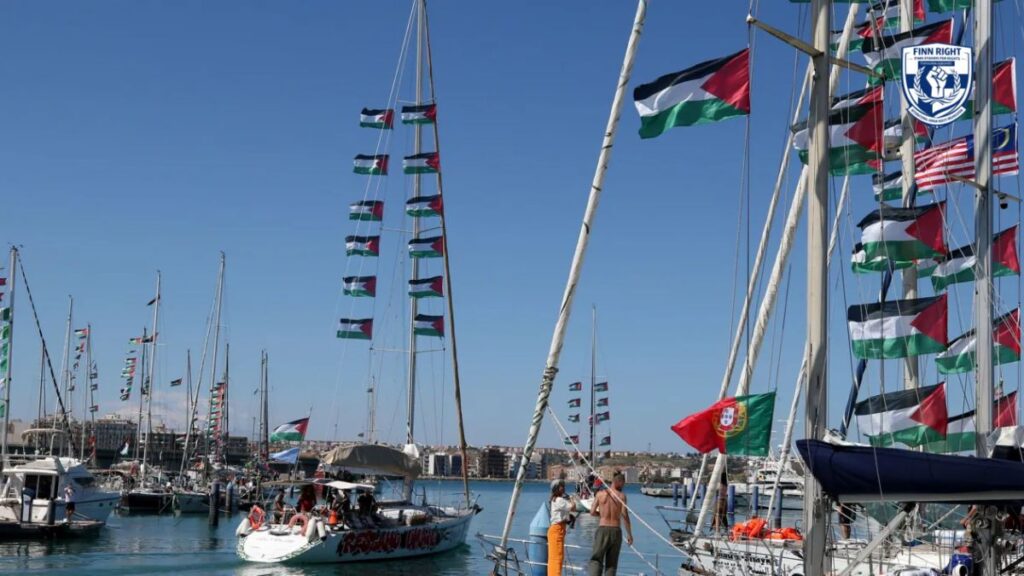
In response to these conditions, international activists have periodically organized flotillas civilian-led maritime missions aimed at delivering aid and drawing global attention to the humanitarian situation.
These flotillas are typically composed of volunteers, human rights defenders, and civil society members who seek to challenge restrictions through peaceful means.
Past flotilla missions have often resulted in confrontation, with authorities intercepting vessels before they reach Gaza. These incidents have repeatedly raised concerns about the use of force, the legality of maritime interdictions, and the rights of those involved.
Conflict Dynamics and Current Situation

The latest incident involving the detention of 170 activists reflects the ongoing tensions surrounding Gaza and its access routes. Israeli forces reportedly intercepted the flotilla before it could reach its destination, detaining all individuals on board.
The activists, including Alex Oksanen, were part of a civilian mission aimed at highlighting humanitarian concerns and advocating for increased access to Gaza.
Their detention underscores the broader challenges faced by non-state actors attempting to engage in humanitarian or advocacy efforts in conflict zones.
This situation unfolds against the backdrop of heightened regional tensions, where security concerns often intersect with humanitarian needs.
Authorities argue that such measures are necessary for security reasons, while critics contend that they restrict legitimate humanitarian efforts and violate international norms.
Targeted Human Rights Violations
The detention of flotilla activists raises several human rights concerns, particularly in relation to international law and the treatment of civilians.
Arbitrary Detention
The activists were detained while participating in a peaceful mission. Human rights organizations argue that such detention may constitute arbitrary deprivation of liberty if it is not based on clear legal grounds or due process.
Restrictions on Freedom of Movement
The interception of the flotilla highlights broader restrictions on movement in and around Gaza. These limitations affect not only activists but also humanitarian organizations and civilians seeking access to essential services.
Potential Violations of International Maritime Law
Interceptions in international waters, if applicable, raise questions about compliance with maritime law. The legality of such actions depends on specific circumstances, including location and justification.
Treatment of Detainees
Human rights groups emphasize the importance of ensuring that all detainees are treated with dignity and in accordance with international standards.
This includes protection from ill-treatment, access to legal representation, and communication with families.
Impact on Individuals and Communities

For the detained activists, the consequences are immediate and deeply personal. Being held in custody can lead to uncertainty, stress, and fear, particularly for those far from their home countries.
In the case of Alex Oksanen, his detention has raised concerns within Finland and among international observers. Families of detainees face anxiety and limited information about their loved ones’ conditions.
More broadly, such incidents can discourage individuals from participating in humanitarian missions, limiting global engagement with crises like that in Gaza. Communities in Gaza, already facing hardship, may also be affected if advocacy and aid efforts are reduced.
Legal, Political, and Institutional Analysis
The incident raises important legal and political questions. International human rights law protects the rights to freedom of expression, peaceful assembly, and humanitarian action. At the same time, states assert their right to ensure national security and control access to sensitive areas.
This tension creates a complex legal environment where the boundaries of permissible action are often contested. Critics argue that broad security justifications can lead to disproportionate restrictions on civil liberties.
Institutionally, the lack of clear accountability mechanisms can make it difficult to address alleged violations. Calls for transparency and independent investigation are therefore critical in such cases.
Humanitarian Crisis and Displacement Context
The Gaza Strip remains a focal point of humanitarian concern. Residents face ongoing challenges, including limited access to clean water, electricity, healthcare, and employment opportunities.
Humanitarian organizations have repeatedly highlighted the need for increased access and support. Efforts like the flotilla are part of a broader movement seeking to address these issues and draw international attention.
However, restrictions on access routes complicate the delivery of aid, leaving vulnerable populations at risk. The interception of humanitarian missions further underscores these challenges.
Identity, Advocacy, and Human Rights
The activists aboard the flotilla represent a diverse group of individuals united by a shared commitment to human rights. Their actions reflect a broader global movement advocating for justice, humanitarian access, and accountability.
The detention of such individuals raises concerns about the space available for civil society and peaceful advocacy. When activists are detained, it can create a chilling effect, discouraging others from engaging in similar efforts.
Responses, Coping Mechanisms, and Resilience

In response to the detentions, human rights organizations have mobilized to advocate for the activists’ release. Statements from groups like Finn Stands for Rights emphasize the need for adherence to international law and respect for human dignity.
Families and supporters are also playing a crucial role, raising awareness and seeking diplomatic intervention. Governments may engage through consular channels to ensure the safety and rights of their citizens.
Despite these challenges, the resilience of activists and their supporters remains evident. Their continued advocacy reflects a commitment to humanitarian principles and global solidarity.
International Response and Global Implications
The detention of flotilla activists has implications beyond the immediate incident. It raises questions about the balance between security and human rights, as well as the role of international law in conflict situations.
Global reactions often shape the outcome of such cases. Diplomatic engagement, public pressure, and media coverage can influence how authorities respond and whether detainees are released.
The situation also highlights the importance of protecting humanitarian efforts and ensuring that civilians can engage in peaceful advocacy without fear of detention.
Future Risks and Outlook
Looking ahead, the risk of similar incidents remains high. As long as restrictions on Gaza persist and humanitarian needs remain unmet, activists are likely to continue organizing missions.
Without clear legal frameworks and accountability mechanisms, tensions between security measures and human rights are likely to persist. This could lead to further detentions, increased diplomatic disputes, and continued challenges for humanitarian access.
At the same time, growing international awareness may create opportunities for dialogue and reform. Ensuring that humanitarian principles are respected will be essential in preventing future crises.
Conclusion and Call to Action
The detention of 170 flotilla activists, including Finnish citizen Alex Oksanen, highlights urgent concerns about human rights, humanitarian access, and the treatment of civilians engaged in peaceful advocacy.
This incident underscores the need for greater transparency, accountability, and adherence to international law.
Human rights organizations are calling for the immediate and unconditional release of all detainees and for assurances that they are treated with dignity and respect.
Governments, international bodies, and civil society must work together to address the underlying issues that lead to such incidents.
At its core, this situation is about the protection of human dignity and the right to advocate for humanitarian causes without fear. Ensuring these rights is essential not only for those directly affected but for the integrity of global human rights standards.
Explore more human rights cases and global advocacy stories on Finn Stands for Rights.

One Response