
In October 2025, Pakistan witnessed a violent confrontation between state authorities and supporters of Tehreek-e-Labbaik Pakistan (TLP), a religious political movement with a significant public following.
What began as a planned protest escalated into clashes, deaths, and a nationwide controversy over the use of force, transparency, and accountability.
The incident has since evolved into more than a domestic political crisis. It now represents a serious human rights concern involving allegations of excessive force, disputed casualty figures, possible unlawful detentions, and a lack of transparency.
These issues raise urgent questions about the protection of fundamental rights in Pakistan, including the right to life, freedom of assembly, and due process.
At the center of this crisis lies a troubling reality: while some facts are clearly established, others remain deeply contested.
This gap between official narratives and opposing claims has created an environment where truth is uncertain, and accountability remains unresolved.
Background and Historical Context
To understand the October 2025 crackdown, it is important to examine Pakistan’s political and legal environment.
The country has a long history of managing protests through a mix of negotiation and force, especially when demonstrations involve religious or politically sensitive issues.
TLP has emerged in recent years as a powerful grassroots movement, particularly in Punjab. Its support base has grown significantly, with millions of voters backing the party in recent elections.
This expansion has transformed TLP from a fringe group into a key political actor with influence over public discourse.
At the same time, Pakistan’s legal framework provides protections for peaceful assembly and political participation.
The Constitution guarantees the right to form associations, protest peacefully, and receive a fair trial. However, these rights are often tested during times of political unrest, when authorities prioritize security concerns.
The October 2025 events occurred in this context—where political mobilization, religious sentiment, and state authority intersect in complex and sometimes volatile ways.
Conflict Dynamics and Current Situation
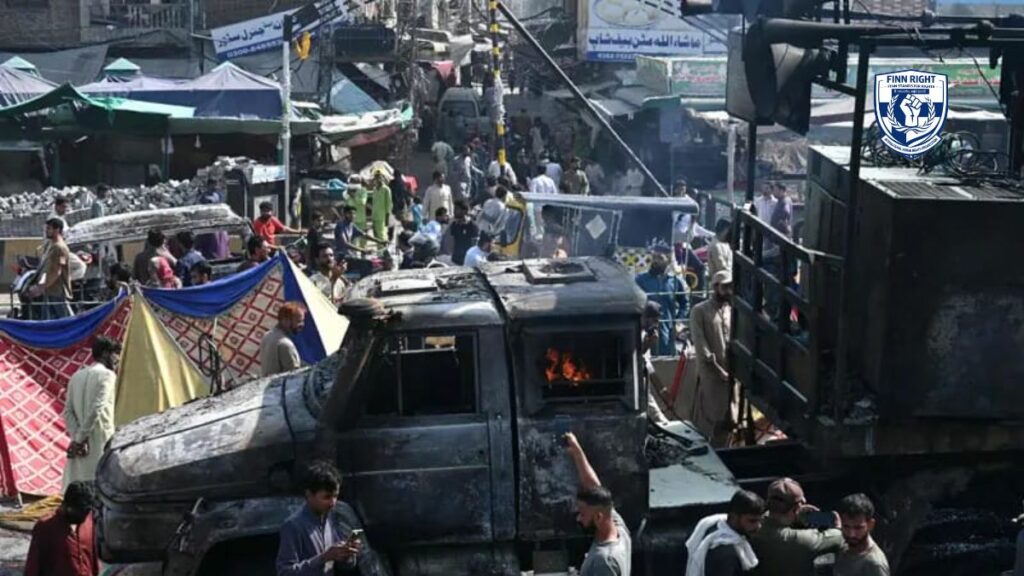
The crisis began when TLP announced a march toward the United States embassy in Islamabad, reportedly in response to developments related to Gaza.
Authorities quickly moved to prevent the protest, citing security concerns and lack of official permission.
On 9 October 2025, police carried out a raid on TLP’s headquarters in Lahore. This action triggered a series of protests and clashes, particularly along the Lahore–Muridke corridor.
Supporters gathered, roads were blocked, and tensions escalated rapidly.
By 13 October, the situation had turned deadly. Clashes between police and protesters in Muridke resulted in confirmed fatalities, including at least one police officer. However, beyond these verified deaths, the true scale of casualties remains disputed.
Following the violence, the situation became increasingly complex:
- Legal petitions were filed in court regarding missing bodies and injured individuals
- Authorities claimed that TLP leadership had fled
- Supporters alleged that leaders were secretly detained
- On 23 October, the federal government officially banned TLP under anti-terrorism laws
- Pakistan
These developments show that the crisis was not a single event but a sequence of escalating actions, each raising serious legal and human rights questions.
Targeted Human Rights Violations
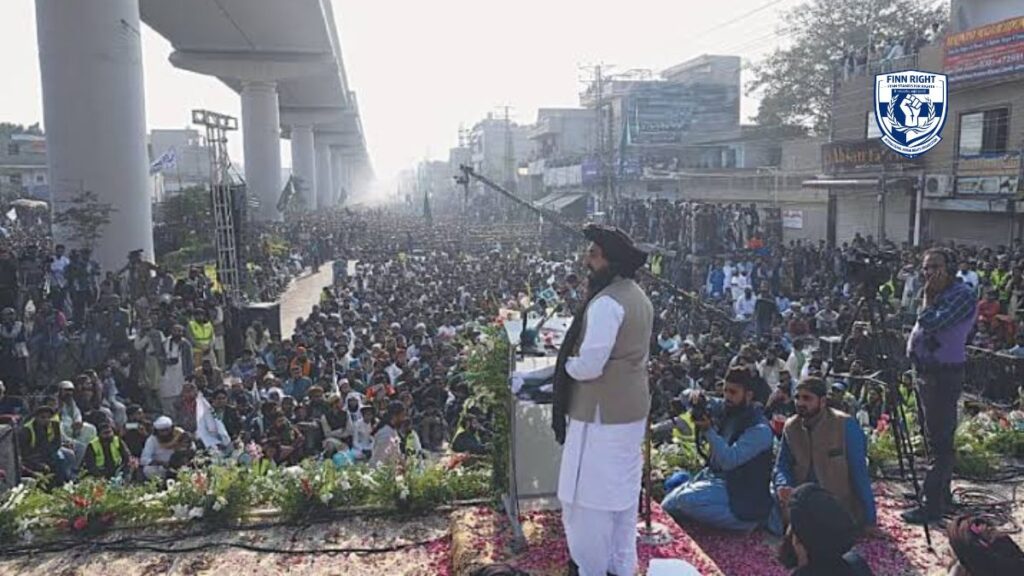
The October crackdown raises concerns across multiple areas of human rights.
Use of Force and Loss of Life
The most serious issue is the use of lethal force during crowd control operations. While authorities maintain that force was necessary, the existence of deaths—combined with conflicting accounts—demands scrutiny.
International standards require that force be used only when strictly necessary and proportionate. The lack of clarity about how and why lethal force was used raises the possibility of violations of the right to life.
Disputed Casualties and Lack of Transparency
A major concern is the gap between official casualty figures and claims made by TLP supporters. While international reports confirmed a limited number of deaths, supporters alleged significantly higher numbers.
This discrepancy has not been resolved, creating uncertainty and mistrust. Without transparent investigation, such gaps can deepen public suspicion and undermine confidence in state institutions.
Allegations of Detention and Disappearance
Another key issue is the uncertainty surrounding the whereabouts of TLP leaders. Authorities claimed they had fled, while supporters insisted they were in custody.
In situations like this, lack of clarity can raise concerns about enforced disappearance—a serious human rights violation under international law.
Restrictions on Freedom of Assembly
The initial protest was prevented on grounds of security and permission requirements. While states can regulate assemblies, restrictions must be lawful, necessary, and proportionate.
The escalation from protest prevention to a full crackdown raises questions about whether these standards were respected.
Impact on Individuals and Communities
Beyond legal debates, the human cost of the crackdown is significant.
Families of those killed or injured face uncertainty, especially where casualty figures remain disputed. For those searching for missing relatives, the lack of clear information adds emotional distress.
Communities that supported TLP may feel targeted or marginalized, particularly if they believe the state acted without transparency. This perception can lead to:
- Loss of trust in public institutions
- Increased social polarization
- Fear of participating in future political activities
- Pakistan
For individuals on the ground, the crisis is not abstract. It involves real experiences of fear, loss, and insecurity.
Legal, Political, and Institutional Analysis
Pakistan’s Constitution provides strong protections for human rights, including:
- The right to life and dignity
- Freedom of assembly and association
- The right to a fair tria
- Pakistan
At the international level, Pakistan is bound by agreements such as the International Covenant on Civil and Political Rights. These obligations require the state to investigate unlawful deaths and ensure accountability.
The October events highlight potential gaps between legal commitments and actual practice. When force is used against civilians, authorities must demonstrate that actions were lawful and necessary.
The decision to ban TLP also raises legal questions. While governments have the authority to restrict organizations under certain conditions, such actions must follow clear legal procedures and be subject to judicial review.
Humanitarian Crisis and Displacement
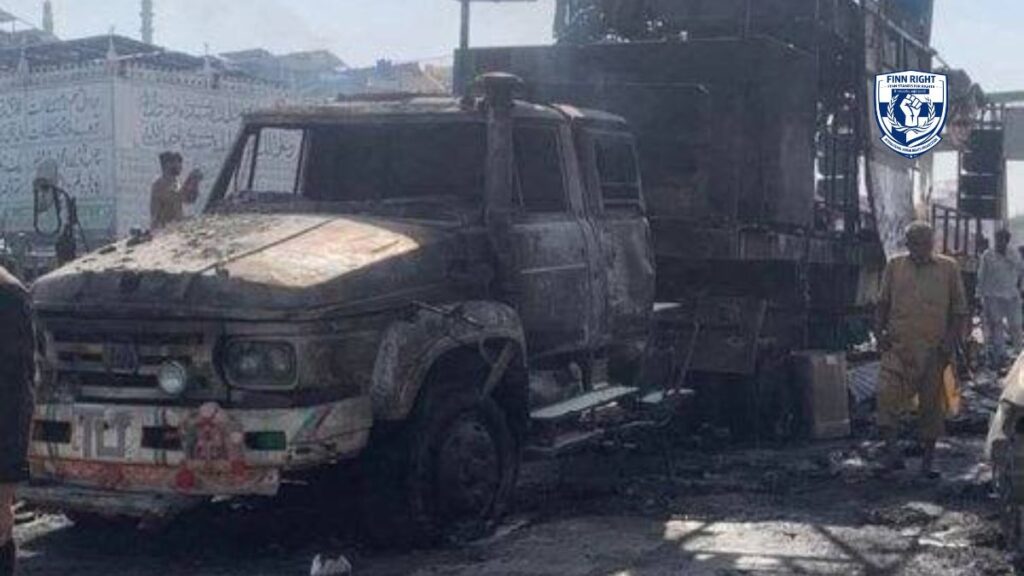
Although the October events did not create large-scale displacement comparable to armed conflicts, they contributed to localized instability.
Clashes disrupted daily life, restricted movement, and created an environment of uncertainty. In such conditions, access to healthcare, legal assistance, and basic services can become difficult, especially for those directly affected by violence.
Humanitarian concerns also arise in relation to injured individuals and detained persons, who require proper medical care and legal protection.
Religious and Identity-Based Dimensions
TLP is a religiously motivated political movement, and the protest itself was linked to broader religious and geopolitical concerns.
This adds a sensitive dimension to the crisis. When religious identity intersects with political conflict, the risk of polarization increases.
Authorities must therefore act carefully to ensure that enforcement actions are not perceived as targeting a specific group or belief system.
Responses, Coping Mechanisms, and Resilience
Despite the challenges, affected communities and institutions have shown resilience.
Legal action has played an important role, with courts reviewing petitions related to bodies and injuries. This demonstrates that judicial mechanisms remain a critical avenue for accountability.
Civil society organizations have also contributed by documenting events and raising awareness, though they face the challenge of verifying information in a highly contested environment.
At the community level, individuals continue to seek justice through lawful means, showing a commitment to rights-based processes even in difficult circumstances.
International Response and Global Implications
The October 2025 crackdown has drawn attention from international observers, particularly in the context of Pakistan’s broader human rights record.
Global institutions emphasize the importance of:
- Transparent investigations into deaths
- Protection of peaceful assembly
- Accountability for misuse of force
- Pakistan
The situation also has wider implications. As a strategically important country, Pakistan’s handling of internal crises affects regional stability and international confidence.
Failure to address human rights concerns can weaken global partnerships and raise questions about governance and rule of law.
Future Risks and Outlook
If the issues surrounding the October crackdown remain unresolved, several risks may emerge:
- Continued mistrust between citizens and the state
- Increased political polarization
- Potential for future unrest
- Pakistan
On the other hand, a transparent and independent investigation could help restore confidence and prevent further escalation.
The path forward depends on whether authorities choose accountability and openness over denial and uncertainty.
Conclusion and Call to Action
The October 2025 crackdown on TLP represents a critical moment for human rights and governance in Pakistan. While some facts are established, the most important questions—about deaths, responsibility, and transparency—remain unanswered.
This uncertainty is not sustainable. Where lives have been lost and rights may have been violated, investigation is not optional—it is a legal and moral obligation.
An independent, impartial inquiry is essential to establish the truth, ensure accountability, and restore public trust. Without it, the crisis risks becoming a lasting source of division and instability.
At its core, this is not only about one protest or one political movement. It is about the fundamental principle that all individuals—regardless of their beliefs or affiliations—are entitled to dignity, justice, and protection under the law.
Read more about human rights, protests, and accountability issues in Pakistan on our platform
سعد بھائی کی بازیابی کیلئے اقدامات اٹھائیں
یہ صرف ایک احتجاج اور فلسطینیوں کے ساتھ ہمدردی کرنے کے لیے نکلے تھے۔
حکومت
ان کے ساتھ بات کرسکتی تھی اور انہیں کسی بات پر راضی کرسکتی تھی ۔
لیکن تمام اداروں نے فیصلہ کرلیا تھا کے طاقت کے زور پر ٹی ایل پی کو کچل دیا جائے ۔
Released Saad Hussain Rizvi he is the owner of tlp and he is a great man
I love T l P
Its completely unlawful action Again 3rd largest political party of Pakistan by the Punjab Govt
Govt should realase Head of Party leadership & workers
Realease Saad Hussain Rizvi
I really appreciate you for talking about a great leader of Pakistan. He is innocent and brave. They both talk only about the rights of the people of Pakistan, not about themselves. You did a great job raising your voice for Pakistan’s second-largest party.
A shameful act off Government off Pakistan.
Release saad Hussain Rizvi
The incident of the disciple is a very heartbreaking incident and I am happy that someone (you) has spoken about this injustice in the world. There is still a need to talk about it because brothers Saad Rizvi and Anas Rizvi are in prison.
Thank you for supporting victims
Im spureet TLP
سانحہ مریدکے ایک بڑا سانحہ تھا ۔اور مسلم لیگ ن کے ھاتھ ان شہدا کے خون سے رنگے ھوئے ھے۔۔اور مارشل
I appreciate and salute to u and ur team finnright association because u are write a special article on TLP pakistan.
“Severe oppression took place in Murid’s city. We salute you for exposing the truth. Many people were killed, injured, and abducted. This is extremely shameful.” ✊😔
The release of Saad Rizvi Bhai and Anas Rizvi Bhai and their enforced disappearance should also be discussed and the government of Pakistan should be made to implement human rights agreements. Long live Pakistan.
Thank you for publishing this important article. It’s crucial that such issues are brought to light. Our government must act responsibly and take this matter seriously—detaining someone without transparency raises serious concerns. Saad Hussain Rizvi should be released immediately, and justice must prevail.
Most terrible and horrible day of Pakistan history. . . When straight fire opened on peaceful protesters of labiak ya Palestine rally . . . Brutal action taken against Tlp . . . Till now hundreds of people r missing and dead bodies r not handed over families . . . A dapy that can never be forgotten
Can you bring justice to these people?
Can you bring justice to TLP leadership?
لیکن پاکستان کی ریاست کو یاد رکھنا چاہیے کہ وہ جس طرح چاہیں گے ملک کو نہیں چلا سکتے ۔
ریاست کو قواعد و ضوابط کے مطابق چلانا ہوگا۔
آپ غلام ہو گے ۔
تحریک لبیک پاکستان کسی کی غلامی قبول نہیں کرے گی
The recent incident in Muridke has raised serious concerns about justice, governance, and the protection of fundamental rights in Pakistan. Many supporters and observers argue that leaders associated with Tehreek-e-Labbaik Pakistan (TLP) are not being treated fairly, and that the government’s response reflects a lack of transparency and accountability. From a human rights perspective, this situation highlights the urgent need for due process, equal treatment under the law, and the right to peaceful political expression. When any group feels systematically ignored or suppressed, it weakens public trust in state institutions and risks further instability. International human rights principles emphasize that every individual and political group deserves a fair hearing, protection from arbitrary action, and freedom from discrimination. Therefore, it is essential for the government to ensure an impartial investigation, open dialogue with all stakeholders, and adherence to constitutional and human rights obligations so that justice is not only done but clearly seen to be done.
It is crucial that action is taken regarding this matter. Authorities, civil society, and human rights organizations all have a responsibility to respond promptly and effectively. Simply acknowledging the issue is not enough; concrete measures must be implemented to ensure accountability, transparency, and justice. This includes conducting impartial investigations, holding those responsible accountable, providing legal support to the affected individuals, and ensuring that such incidents are prevented in the future. Moreover, public awareness and advocacy play a vital role in pressuring the government to uphold human rights standards. Only through active intervention and consistent follow-up can the rights of the victims be protected and public trust in the system restored.
First of all, I sincerely thank you for raising your voice on this issue and for publishing your article. Secondly, as a Pakistani, I would like to inform you that TLP (Tehreek-e-Labbaik Pakistan) is not a violent group, and it should not be considered as such under any circumstances. Whenever incidents like this occur—such as the rally held in support of Palestine—it was the responsibility of the government to provide them with a designated place where they could peacefully protest. However, instead of facilitating them, the government responded with force, which resulted in many of our brothers being martyred. I would simply like to say that this matter should be raised in international courts and on global forums. Once again, thank you for publishing this article.
ٹی ایل پی کے ساتھ بہت ظلم ہوا اور طاقت کا انتہائی سفاکانہ انداز اپنایا گیا ۔۔ہم مطالبہ کرتے ہیں کہ فی الفور ٹی ایل پی کے قائدین اور کارکنان کو با عزت رہا کیا جائے اور حکام کے خلاف قانونی کاروائی کی جائے
Pakistani forses ❌
Israeli froses 💯
Same on you Pakistan all igances
1400+people kill
Thousands people injured diractly gun fire
Total leadership in coustady in Pakistan ijances
&All tlp workers crackdown in punjab police Pakistan
Thousands people are in jail terrorist fake fir,s
We Stand With Palestine
We Stand With TLP
We Stand With KHR
We Stand With SHR
ThankuUu so much for release this Article human rights 100% true, against Pakistan Government they have done dangerous operation on TLP
Thank you for shedding light on this important issue. Your detailed and balanced coverage highlights the need for transparency, accountability, and the protection of fundamental human rights. Appreciated your efforts in bringing global attention to this matter.
میں یہیں پہ تھا ظلم کی انتہا کی گئی تھی لوگوں کو زندہ جلتے دیکھا جب کرپٹ حکمران ہوں کرپشن کریں تو وہ کسی کو اپنے مقابلے میں نہیں دیکھ سکتے اس لیے آج انکا نام و نشان ہی مٹا دیا گیا ان کو قید کر کے گم کر دیا گیا اس دن کے بعد سے لے کر آج تک حافظ سعد رضوی کا کوئی پتہ نہیں اور بھی بہت سے علماء اکرام جن کا کوئی پتہ نہیں
عالمی رہنماؤں کو ان کی آزادی کے لیے آواز اٹھانی چاہیے
Humanity was murdered, justice must be served.
TLP Peace full party in Pakistan. I love TLP leadership. Government kill 1200+ human in muridky and missing a lot off bodies. 35000plus people arrested in this Gaza March. Now Pakistani government is a killer government.
Please raise the voice for TLP are there leaders.
Why did you shoot at unarmed workers? You shouldn’t have done that.
1
TLP
Good 👍
It is the first platform on which this critical issue of human rights violations in Pakistan is raise
Thanks a lot for your support
Pakistan Government is a Terrorist
Thanks for raising voice
علامہ سعد رضوی صاحب کو رہا کرو یہ جبری گمشدی یہ حکومت کی ظالمانہ جو کاروائی ہے یہ غلط ہے یہ نا انصافی ہے اپنے لوگوں پہ ظلم کرتے ہو ایسے حکم جو اپنے لوگوں کو مارتے ہیں لہذا سعد رضوی کو رہا کروی کو رہا کرو
Both the Pakistani Army Chief and the Prime Minister, Shahbaz Sharif, are cursed.
Human rights violations are being committed in Pakistan. Did the PML-N and the PPP crack down on Tehreek-e-Labbaik Pakistan?
Tehreek-e-Labbaik Ameer Saad Rizvi was forcibly disappeared, his voice was silenced, his bodies were burned, and the container was set on fire.
Ap buhat zayada acha Kam kr rhy hn apko chahea k zayada se zayada TLP k lea awaz uthain
Thank you for strong and Fair content you wrote we hope you will more content write about TLP About justice for TLP
The Pakistani government, institutions and establishment, by committing the biggest act of terrorism in history on October 13, made it clear that we are not a people-friendly government, but a pet of foreigners and a government that is killing its own people.
Good point
There are a very large number of deaths—so many that they cannot even be fully described. If these videos are uploaded to the internet, they get deleted. People have these videos saved in private sources, on their own mobile phones, USB drives, and other data storage devices.
جی بلکل ان کے ساتھ بہت ظلم ہوا ہے پوری دنیا کو ان کے حق میں آواز اٹھانی چاہئے
میں ایک پاکستانی شہری ہو اور ان کے حق میں گواہی
دیتا ہوں کہ یہ پر امن لوگ ہیں محب وطن لوگ ہیں
حافظ سعد حسین رضوی اپنے والد کی طرح انتہائی شریف انسان ہیں
ان کے والد شیخ الحدیث تفسیر حافظ قران ہفتے امام خادم حسین
I completely agree that great ظلم (injustice) has been done to them, and the whole world should raise its voice in their support.
As a Pakistani citizen, I bear witness in their favor that they are peaceful and patriotic people.
Hafiz Saad Hussain Rizvi is a very decent and honorable person, just like his father.
His father, Khadim Hussain Rizvi (may Allah have mercy on him), was a Sheikh-ul-Hadith, a scholar of Tafsir, a Hafiz of the Qur’an, and an Imam.
We are truly grateful to you from the bottom of our hearts for raising your voice for them. We also appeal to the entire world to continue speaking out against the ظلم and oppression happening in Muridke.
We demand the immediate release of our leader, Hafiz Saad bin Khadim Hussain Rizvi. رضوی رحمت اللہ علیہ تھے
آپ نے ان کے بارے آواز اٹھانی ہم اپ کا تہ دل سے شکر گزار ہیں اور مرید کے میں ہونے والے ظلم و ستم پر اسی طرح اواز اٹھانے کی پوری دنیا سے اپیل ہے اور ہمارے قائدین بم حافظ سعد بن خادم حسین رضوی کو فل فور رہا کیا جائے
Thank you very much for publishing this article. I hope you will always continue to raise your voice for human rights. May Allah be your helper and protector.
This arical right. Pakistani govt is dectetor.
تم لوگ کتی کے پتر ہو سب انگریز کافر یہودی نصرانی لعنتی قادیانی اور تمھارے یے پالتوں کتے پاکستانی حرام خور بغیرت حکومپی پالتو دلے
Good effort . punctual and easy way to expose the critical situation on October 14
Tehreek Labbaik Pakistan A lot of injustice was done to him. Many people were murdered and dead bodies were set on fire and many people were arrested. And many people are absconding. And those who have been arrested are being subjected to a lot of injustice and a small FIR is also being registered against them.
“This should be brought forward as soon as possible
I am making a statement with 100% certainty. That TLP announced a protest during Friday sermon on October 3, 2025 from Masjid Rehmatul Alameen regarding the genocide in Gaza and Palestine that we will hold a peaceful political protest from Faizabad Islamabad to the American Embassy in Islamabad on October 10. But unfortunately, on October 7, Punjab Police kidnapped TLP political workers from all over Punjab and the institutions of the state of Pakistan from all over Pakistan. The first arrest was made on October 3 of TLP’s NAB Ameer in District Bakhar. On October 9, Punjab Police attacked their center Rehmatul Alameen Lahore and martyred two workers and disappeared their bodies. One martyr, Syedzada, was also kidnapped along with his two sisters when she was going home with her brother’s body. Punjab Police tortured these ladies. Unfortunately, one of them missed her carriage. And on October 10, they attacked again during the Friday sermon and were forcibly removed from there for protest, even the Rangers were used and stun guns were fired. The TLP leadership announced on the night of October 11 that we will stay at the Minar Pakistan Lahore ground at night so that the matter can be resolved there. Unfortunately, the protesters were forcibly removed from there using Pakistan Rangers. Then, the state fire and shelling continued in the name of negotiations between Shudra and Mureed. In the name of negotiations between Mureed k and TLP, the protesters were stopped and forces were called from all over Pakistan. On October 13, 2025, at 2 am, the Pakistani forces had no effect on the peaceful protesters. Mureed k was sitting on the road with the hope of negotiations with the government, whose negotiation team had gone to the government for negotiations. At the same time, indiscriminate firing started on the protesters. Thousands of people were martyred, the bodies disappeared, the bodies were dispersed, and the entire TLP leadership, who were present on the central container, was kidnapped by the state of Pakistan. The TLP leadership has not been presented in court until April 4, 2026. This is inhumane behavior. The state has broken every law in the world and has reached the peak of cruelty against its own citizens. This is very sad. Is
میں 100 فیصد یقین سے بیان دے رہا ہوں. کہ ٹی ایل پی نے غزہ فلسطین میں ہونے والی نسل کشی کے حوالے سے تین اکتوبر 2025 کو مسجد رحمت اللعالمین سے جمعہ کے دن جمعہ کے خطبے کے دوران احتجاج کا اعلان کیا کہ ہم 10 اکتوبر کوفیض اباد اسلام اباد سے اسلام اباد امریکن ایمبیسی تک ایک پرامن سیاسی احتجاج کریں گے . لیکن افسوس کہ سات اکتوبر کو پنجاب پولیس نے پورے پنجاب اور ریاست پاکستان کے اداروں نے پورے پاکستان سے ٹی ایل پی کے پولیٹیکل ورکر اغوا کر لیے سب سے پہلی گرفتاری ڈسٹرکٹ بکھر میں ٹی ایل پی کے نیب امیر کی تین اکتوبر کو ہوئی اٹھ اور نو اکتوبر کو ان کے مرکز رحمت اللعالمین لاہور پر پنجاب پولیس نے حملہ کر دیا اور دو ورکر شہید کر دیے اور لاشیں غیب کر دی ایک شہید سید زادہ اس کی دو بہنوں کو بھی ساتھ اغوا کر لیا جب وہ اپنے بھائی کی لاش لے کر گھر جا رہی تھی پنجاب پولیس نے ان لیڈیز پر تشدد کیا افسوس کہ ایک کا مس کیرج ہو گیا . اور 10 اکتوبر کو خطبہ جمعہ کے دوران دوبارہ حملہ کر دیا اور وہاں سے ان کو زبردستی احتجاج کے لیے نکالا گیا یہاں تک کہ رینجر کو بھی استعمال کیا گیا اور سٹیٹ فائر کیے گئے . ٹی ایل پی کی قیادت نے 11 اکتوبر کی رات کو اعلان کیا کہ ہم رات کو مینار پاکستان لاہور کہ گراؤنڈ میں سٹے کریں گے تاکہ معاملہ ادھر ہی حل ہو جائے. افسوس کہ پاکستان رینجر استعمال کر کے زبردستی وہاں سے پروٹیسٹر کو نکالا گیا باروں کو شدرا اور مرید کے تب سٹیٹ فائر اور شیلنگ چلتی رہی مرید کے میں مذاکرات کے نام پر ٹی ایل پی کہ پروٹیسٹر کو سٹے کرایا گیا اور پورے پاکستان سے فورسز منگوا لی گئی 13 اکتوبر 2025 کو صبح دو بجے پاکستان کی فورسز نے ان پروٹیسٹر پر جو کہ پرامن تھے ان کے پاس کوئی اثر نہیں تھا مرید کے سیٹی کے اندر روڈ کے اوپر حکومت سے مذاکرات کی امید لے کر بیٹھے ہوئے تھے جو کہ ان کی مذاکراتی ٹیم حکومت کے پاس مذاکرات کے لیے گئی ہوئی تھی اسی دوران پروٹیسٹر کے اوپر اندھا دھند فیرنگ شروع کر دی ہزاروں کی تعداد میں لوگ شہید کر دیے لاشیں غیب کر دی گئی لاشیں چلا دی گئی اور ٹی ایل پی کی ساری قیادت جو مرکزی کنٹینر پر موجود تھی اس کو ریاست پاکستان نے اغوا کر لیا ابھی چار اپریل 2026 تک ٹی ایل پی کی قیادت کو عدالت میں پیش نہیں کیا گیا یہ ایک غیر انسانی سلوک ہے ریاست نے دنیا کا ہر قانون توڑ دیا اور اپنے ہی شہریوں پر ظلم کی انتہا کر دی یہ بہت افسوس ناک ہے
I am an ordinary citizen of Pakistan. I support this party that was crushed in the Muridke, whose voice was suppressed, which rose up for Palestine, on which its government and the officials of Pakistan have committed the utmost cruelty that has never been done to anyone in history. Our government and institutions of Pakistan are all slaves and they commit the utmost cruelty on the citizens of their own country. We demand that our leaders Saad Hussain Rizvi and Hussain Rizvi and the entire Majlis-e-Shor be fully released. This is the third largest party in Pakistan, which achieved what these people tried to suppress from 2018 to 2020. It had become the second largest party in Pakistan.
Fin Human Rights is doing excellent work and actively raising its voice on human rights issues.
The article written on the Muridke incident in Pakistan demonstrates Fin Human Rights’ commitment. The Muridke incident in Pakistan has still not seen proper action, and the government has failed to provide justice. We appeal to all national and international organizations to raise their voices, as human rights in Pakistan have been ignored and basic human dignity has been violated.
The party leadership and members of the council are also absent. It is necessary, under human rights law, to bring them to account. Raising one’s voice for the enforcement of human rights laws is the duty of everyone. Six months have passed, yet no justice has been delivered in this incident. Only Allama Farooq was presented publicly, while some individuals were not brought to court, and they were subjected to physical remand, which is completely unjust.
We appeal to international media and organizations to also raise their voices for human rights so that the leadership can be held accountable and everyone can be presented in court in accordance with the law.
All organizations must come together to raise an international voice to end terrorism and human rights violations in Pakistan and to ensure justice for fundamental rights.
V Noce
Tlp zandabad saad bhi zindabad hum sab plesteen k sath hain
حافظ سعد حسين رضوی کو منظر عام لائو
قائد محترم حافظ سعد حسین رضوی کو منظر عام پر لائو
Sham Pakistan govermint
This report overlooks some important ground realities. The Ameer of TLP Hafiz Saad Hussain Rizvi and his brother Hafiz Anas Hussain Rizvi is still being kept in forced detention, which is a serious concern. In addition, many party leaders and workers have been arrested, raising questions about political freedom.
Reports also suggest that some workers were killed, yet their bodies were not handed over to their families, which is deeply troubling from a human and ethical perspective. In such a situation, presenting the crackdown only in a positive light does not show the complete picture.
It is important that, alongside state actions, equal importance is given to human rights, transparency, and justice so that trust can be built and long-term stability can be achieved.
قائد محترم حافظ سعد حسین رضوی کو منظر عام پر لے آئو
Your right TLP LEADERSHIP HAVE CASTDI IN GOVERNMENT IN PAKISTAN NOW PAKISTAN GOVERNMENT NOT REAL THIS GOVERNMENT WITHOUT VOTS COMING
You made good analysis. I am pakistani but there govt statements are wrong. Protest were far away from ambasy and govt had not made any talk with protestor. Meanwhile TLP leadership were asking for negotiation, therefore they stopped in mureed ke almost for 36 hours and waiting for govt response for negotiations. Although they have strong intelligence agencies, so why govt claiming that Tlp leadership fled and even now they couldn’t arrest him. It’s a lie. Even now crackdown on TLP supporters continues by government. It totally against human rights. Remember that in pakistani law, everyone has right to protest.
*Don’t disclose my name*
Good work 👍
verry sas 😭
Very sad
😭😭
The Government of Pakistan along with TLP has done a lot of injustice to the followers of Mureed. We demand that they should get justice and the central leadership should be brought to the fore.
Black Day in Fist History of Pakistan 13 october 2025
Hundreds of human lives have been brutally killed, and still few are going after the persecution of Crane Party workers in Pakistan.
Thank you for shedding light on this important issue. Your detailed and balanced coverage highlights the need for transparency, accountability, and the protection of fundamental human rights. Appreciated your efforts in bringing global attention to this matter.
The Government of Pakistan along with TLP has done a lot of injustice to the followers of Mureed.The oppressed must get justice.
تحریک لبیک پاکستان پر ظلم کیا گیا ہے پوری دنیا میں لوگ فلسطین غزہ کی حمایت میں احتجاج کر رہے تھے۔ لیکن پاکستان کی موجودہ حکومت نے پاکستان میں فلسطین کے ساتھ اظہار یکجہتی کرنے پر عام شہریوں پر گولیاں چلا دی۔ تحریک لبیک پاکستان کا احتجاج تو صرف امریکی قونصلیٹ کے سامنے احتجاج ریکارڈ کروانا تھا۔ جس کے بعد ملک میں کوئی سیکورٹی یا ملک سلامتی کے کسی قسم خطرات نہیں تھے اس پہلے موجود حکومت کے کہنے پر 1 مئی 2025 کو تحریک لبیک پاکستان نے احتجاج ملکی سلامتی کے تناظر میں ملتوی کیا۔ جب انڈیا پاکستان کے درمیان چھڑپیں ہوئی یہ قتل عام سانحہ مرید کے پش پردہ حقائق کچھ اور جو قوم کو نہیں دیکھا۔ گیے۔ یکطرفہ حکومتی بیانیہ مسترد کر دیا گیا تھا میڈیا پر جو حکومت نے پھیلایا وہ سب یکطرفہ اور جھوٹ تھا۔ پاکستان میں تحریک لبیک کے ساتھ بہت زیادہ غیر انسانی سلوک کیا گیا۔ اور میں یورپی یونین کے اس قدام کا شکر گزار ہوں جنہوں نے پاکستان کے اندر مجودہ حکومت کے انسانی حقوق کی پامالی پر آواز اٹھائی
تحریک لبیک پاکستان ایک پر امن مزہبی سیاسی جماعت ہے۔ جو انسانی حقوق کی خلاف ورزیوں پر اواز اٹھاتی ہے نا انصافی پر آواز اٹھاتی ہے اور فلسطین میں ہونے والی انسانی حقوق کی خلاف ورزیوں اور اسرائیل امریکا کے ظلم کے خلاف احتجاج اور اظہار یکجہتی کر رہے تھے جو کہ ان کا آئینی اور قانونی حق ہے جس کے بعد اج بھی ان پر غیر انسانی اور غیر قانونی سلوک کیا جا رہا ہے پاکستان ۔
Govt take brutal action against TLP I think make judicial commission for what Happened….
Thanks for exposing the reality of Government in Pakistan appointed by America and Israel through Establishment of Pakistan main leading agents of America an Israel in Pakistan.
No values of law in Pakistan. Totally Judiciary system in Pakistan.
یہ رہی آپ کی تحریر واضح، مربوط اور بہتر انداز میں اردو اور انگریزی دونوں زبانوں میں:
—
اردو ورژن:
تحریک لبیک پاکستان کے ساتھ ناانصافی اور ظلم کیا گیا ہے۔ جب پوری دنیا میں لوگ فلسطین اور غزہ کے حق میں احتجاج کر رہے تھے، اس وقت پاکستان میں موجودہ حکومت نے فلسطین کے ساتھ اظہارِ یکجہتی کرنے والے عام شہریوں پر گولیاں چلائیں، جو کہ انتہائی افسوسناک اور قابلِ مذمت عمل ہے۔
تحریک لبیک پاکستان کا احتجاج صرف امریکی قونصلیٹ کے سامنے پرامن طور پر ریکارڈ کروانا تھا۔ اس احتجاج سے ملک کی سلامتی یا سیکیورٹی کو کسی قسم کا خطرہ نہیں تھا۔ اس سے پہلے بھی، 1 مئی 2025 کو تحریک لبیک پاکستان نے ملکی سلامتی کے پیشِ نظر اپنا احتجاج ملتوی کر دیا تھا، جو ان کی ذمہ داری اور سنجیدگی کا ثبوت ہے۔
مزید یہ کہ، مریدکے کے سانحے اور انڈیا اور پاکستان کے درمیان کشیدگی کے پسِ پردہ حقائق کچھ اور ہیں، جو قوم کے سامنے نہیں لائے گئے۔ حکومت کی جانب سے پیش کیا گیا بیانیہ یکطرفہ تھا، جسے عوام نے مسترد کر دیا۔
پاکستان میں تحریک لبیک پاکستان کے ساتھ غیر انسانی سلوک کیا گیا، جو انسانی حقوق کی سنگین خلاف ورزی ہے۔ ہم یورپی یونین کے شکر گزار ہیں جنہوں نے پاکستان میں انسانی حقوق کی پامالیوں پر آواز اٹھائی۔
تحریک لبیک پاکستان ایک پرامن مذہبی و سیاسی جماعت ہے، جو انسانی حقوق اور انصاف کے لیے آواز اٹھاتی ہے۔ فلسطین میں ہونے والی زیادتیوں کے خلاف احتجاج اور اظہارِ یکجہتی کرنا ہر شہری کا آئینی اور قانونی حق ہے۔ افسوس کے ساتھ کہنا پڑتا ہے کہ آج بھی پاکستان میں اس جماعت کے ساتھ غیر قانونی اور غیر انسانی رویہ جاری ہے۔
—
English Version:
Tehreek-e-Labbaik Pakistan has faced ظلم and injustice. While people across the world were protesting in support of Palestine and Gaza, the current government in Pakistan allegedly responded by opening fire on peaceful civilians expressing solidarity with Palestine—an act that is deeply condemnable.
The protest by Tehreek-e-Labbaik Pakistan was intended to be a peaceful demonstration in front of the US Consulate. There was no threat to national security or public safety. In fact, on May 1, 2025, TLP had already postponed its protest considering the country’s security situation, which reflects responsibility and restraint.
Furthermore, the الحقيقة behind the Muridke incident and the tensions between India and Pakistan has not been fully revealed to the public. The government’s narrative appeared one-sided and was widely rejected by many.
There has been inhumane treatment against Tehreek-e-Labbaik Pakistan in Pakistan, which raises serious human rights concerns. We appreciate the European Union for raising its voice against human rights violations in Pakistan.
Tehreek-e-Labbaik Pakistan is a peaceful religious and political party that speaks against injustice and human rights violations. Protesting and expressing solidarity with Palestine is a constitutional and legal right. Unfortunately, even today, the party and its supporters continue to face unlawful and inhumane treatment in Pakistan
Totally unacceptable.No role of law
Butcher govt in Pakistan
This is a very worrying matter, how can you crush such a big political party just because they are a threat to your popularity, people are liking them and they are the voice of the oppressed. And then the injustice is that keeping the leadership absent for 6 months is a very excessive thing.
I thank Fun Rights for raising their voice in favor of TLP.
Very Nice & Great Full Working for Human rights.
Very Nice & Great Full Working for Human rights.
یہ رہی آپ کی تحریر واضح، مربوط اور بہتر انداز میں اردو اور انگریزی دونوں زبانوں میں:
—
اردو ورژن:
تحریک لبیک پاکستان کے ساتھ ناانصافی اور ظلم کیا گیا ہے۔ جب پوری دنیا میں لوگ فلسطین اور غزہ کے حق میں احتجاج کر رہے تھے، اس وقت پاکستان میں موجودہ حکومت نے فلسطین کے ساتھ اظہارِ یکجہتی کرنے والے عام شہریوں پر گولیاں چلائیں، جو کہ انتہائی افسوسناک اور قابلِ مذمت عمل ہے۔
تحریک لبیک پاکستان کا احتجاج صرف امریکی قونصلیٹ کے سامنے پرامن طور پر ریکارڈ کروانا تھا۔ اس احتجاج سے ملک کی سلامتی یا سیکیورٹی کو کسی قسم کا خطرہ نہیں تھا۔ اس سے پہلے بھی، 1 مئی 2025 کو تحریک لبیک پاکستان نے ملکی سلامتی کے پیشِ نظر اپنا احتجاج ملتوی کر دیا تھا، جو ان کی ذمہ داری اور سنجیدگی کا ثبوت ہے۔
مزید یہ کہ، مریدکے کے سانحے اور انڈیا اور پاکستان کے درمیان کشیدگی کے پسِ پردہ حقائق کچھ اور ہیں، جو قوم کے سامنے نہیں لائے گئے۔ حکومت کی جانب سے پیش کیا گیا بیانیہ یکطرفہ تھا، جسے عوام نے مسترد کر دیا۔
پاکستان میں تحریک لبیک پاکستان کے ساتھ غیر انسانی سلوک کیا گیا، جو انسانی حقوق کی سنگین خلاف ورزی ہے۔ ہم یورپی یونین کے شکر گزار ہیں جنہوں نے پاکستان میں انسانی حقوق کی پامالیوں پر آواز اٹھائی۔
تحریک لبیک پاکستان ایک پرامن مذہبی و سیاسی جماعت ہے، جو انسانی حقوق اور انصاف کے لیے آواز اٹھاتی ہے۔ فلسطین میں ہونے والی زیادتیوں کے خلاف احتجاج اور اظہارِ یکجہتی کرنا ہر شہری کا آئینی اور قانونی حق ہے۔ افسوس کے ساتھ کہنا پڑتا ہے کہ آج بھی پاکستان میں اس جماعت کے ساتھ غیر قانونی اور غیر انسانی رویہ جاری ہے۔
—
English Version:
Tehreek-e-Labbaik Pakistan has faced ظلم and injustice. While people across the world were protesting in support of Palestine and Gaza, the current government in Pakistan allegedly responded by opening fire on peaceful civilians expressing solidarity with Palestine—an act that is deeply condemnable.
The protest by Tehreek-e-Labbaik Pakistan was intended to be a peaceful demonstration in front of the US Consulate. There was no threat to national security or public safety. In fact, on May 1, 2025, TLP had already postponed its protest considering the country’s security situation, which reflects responsibility and restraint.
Furthermore, the الحقيقة behind the Muridke incident and the tensions between India and Pakistan has not been fully revealed to the public. The government’s narrative appeared one-sided and was widely rejected by many.
There has been inhumane treatment against Tehreek-e-Labbaik Pakistan in Pakistan, which raises serious human rights concerns. We appreciate the European Union for raising its voice against human rights violations in Pakistan.
Tehreek-e-Labbaik Pakistan is a peaceful religious and political party that speaks against injustice and human rights violations. Protesting and expressing solidarity with Palestine is a constitutional and legal right. Unfortunately, even today, the party and its supporters continue to face unlawful and inhumane treatment in Pakistan.
—
Great !
SAAD RAZVI IS A great leader of Muslim umma he is great and honest personality.
#Realese SAAD RAZVI.
Soooo sad please help these people 😭😭😭
Thanks for Highlighting this issue
The court has closed the court for TLP. They are not being heard in court. When the incident happened on October 13, some TLP people approached the court to give us the ashes. The court even asked for seven days to give them the bodies. They did not even get the bodies. The Punjab Police also took bribes from people on the pretext of the bodies. The court often does not hear the cases of TLP people whose people have been martyred. Political and state pressure is being put on their families to withdraw their cases. Many people have withdrawn their cases. Most of them are poor. Their women have become widows. Their children have become orphans. The state of Pakistan is creating a problem of food in their homes. Most of the people have no income. They are daily wage laborers. They are ordinary preachers of a mosque whose salary is 20,000 or 25,000 in Pakistani rupees. They are very weak economically and cannot even fight a court case.
This party has been subjected to great injustice in Pakistan, and the principles of humanity have been violated.
پاکستان میں تحریک لبیک پاکستان کے ساتھ شدید ناانصافی اور ظلم کیا گیا ہے۔ ایک پرامن احتجاج اور فلسطین کے ساتھ اظہارِ یکجہتی کے دوران موجودہ حکومت نے انسانی حقوق کی سنگین خلاف ورزیاں کیں۔ طاقت کے استعمال اور غیر آئینی و غیر قانونی طریقوں سے شہریوں پر ظلم کیا گیا، جو انتہائی قابلِ مذمت ہے۔
تحریک لبیک پاکستان کی قیادت کو جبری طور پر حراست میں رکھنا بھی انسانی حقوق کی واضح خلاف ورزی ہے۔ ہم اس عمل کی شدید مذمت کرتے ہیں اور حکومتِ پاکستان سے مطالبہ کرتے ہیں کہ وہ قانون اور آئین کے مطابق عمل کرے۔
ہم یورپی یونین کے انسانی حقوق کمیشن کے شکر گزار ہیں جنہوں نے بروقت پاکستان میں انسانی حقوق کی خلاف ورزیوں پر آواز اٹھائی اور اس حوالے سے آرٹیکل شائع کیا۔
Very bad
Please raise voice about saad hussain rizwi and his brother and all leadership.
Pakistan government caught him and not show in anywhere.
In Pakistan, Tehreek-e-Labbaik Pakistan has faced severe injustice and oppression. During a peaceful protest and expression of solidarity with Palestine, the current government committed serious human rights violations. The use of force and unconstitutional, unlawful methods against civilians is highly condemnable.
The forced detention of the leadership of Tehreek-e-Labbaik Pakistan is also a clear violation of human rights. We strongly condemn this act and urge the Government of Pakistan to act in accordance with the law and the Constitution.
We also appreciate the European Union Human Rights Commission for timely raising its voice and publishing an article highlighting human rights violations in Pakistan.
In Pakistan, Tehreek-e-Labbaik Pakistan has faced severe injustice and oppression. During a peaceful protest and expression of solidarity with Palestine, the current government committed serious human rights violations. The use of force and unconstitutional, unlawful methods against civilians is highly condemnable.
The forced detention of the leadership of Tehreek-e-Labbaik Pakistan is also a clear violation of human rights. We strongly condemn this act and urge the Government of Pakistan to act in accordance with the law and the Constitution.
We also appreciate the European Union Human Rights Commission for timely raising its voice and publishing an article highlighting human rights violations in Pakistan.
Pakistan Government T l P It hurt very badly on Karakoonan. 1700 martyred And the dead bodies of those who were martyred were set on fire. in millions T l P workers were arrested And he is still under arrest T L P They have still arrested the leadership They have been arrested and neither are they being freed nor are they presenting them in the court. around 10000 works Kashida got injured The state fired li charge on them and threw gas shells. we mean it Pakistan Government T L P leadership free the
Bundle of thanks for raising voice for TLP.
I request to your’s that please write some words for TLP leadership unlawfull kidnaping by the punjab police
we aren’t know where they are almost 5 months to go.
“Supporters gathered, roads were blocked, and tensions escalated rapidly.”
Kindly correct it. We are eye witnesses, it was started by the government and officials.
The roads were blocked, TLP members were raided by police at their homes even before starting this protect on 7th of October. Unwillingly, they gathered at headquarter in Lahore to get strength and to be saved. Then the police raided on headquarter Masjid, some supporters were killed in these raids before the given date for the protest; October 10,2025, on 8 and 9 of October.
It was a protest before the American embassy announced by TLP leader but government changed it in the long march through creating a worst situation.
Leadership is kidnapped through the false flag of table talk.
At the last, I swear as a witness that all the written is 100% true.
That’s all
لکھے گئے مکمل آرٹیکل کو غور سے پڑھا۔ بہت اچھا لکھا گیا ہے مگر اس میں بہت سارے معاملات کا احاطہ نہیں کیا گیا۔
جس میں قائدین کی جبری گمشدگی کے معاملات شامل ہیں۔
اگر حکومت کا موقف ہے کہ ٹی ایل پی کے قائدین ان کے پاس نہیں تو ٹی ایل پی کے قائد علامہ فاروق الحسن کو عدالت میں کس نے پیش کیا۔؟
اسی طرح اسلام آباد کے رکن شوریٰ، ڈی جی خان کے امیر، قصور کے امیر اور دیگر درجنوں ضلعی امراء کس کی قید میں تھے اور انہیں عدالتوں نے ضمانتوں پر رہا کیا۔ اسی طرح حکومت کی جانب سے اب بھی ٹی ایل پی پر کریک ڈاؤن جاری ہے۔ جس کی مثال یہ ہے کہ میرے ہی حلقہ کے امیر کو ایک ہفتہ قبل گرفتار کیا گیا۔ اس کا قصور یہ ہے کہ اس نے ان خاندانوں کی مالی امداد کی جن گھروں کے افراد گورنمنٹ کی جبری قید میں تھے۔
Shame on Pakistani Government
As a pakistani citizen i thought it was worst voilation of human right that we have seen in our life.No haman can accept this bad way of crushing peaceful protestors.Thousands of peaople died and burned on fire by police.
Read the entire article carefully. It is very well written but it does not cover many issues.
Which includes the issues of forced disappearance of leaders.
If the government is of the opinion that they do not have TLP leaders, then who presented TLP leader Allama Farooq ul Hassan in court?
Similarly, who was the Islamabad Shura member, the Amir of DG Khan, the Amir of Kasur and dozens of other district chiefs in prison and they were released on bail by the courts. Similarly, the government is still cracking down on TLP. An example of which is that the Amir of my own constituency was arrested a week ago. His crime is that he provided financial assistance to families whose members were in the government’s forced detention.
If any political party raises its voice for its fundamental rights, it deserves to be heard—not silenced through force.
Peaceful protest is a basic right of every citizen, and it is the responsibility of the state to protect it.
If excessive force was used or any injustice occurred in this incident, those responsible must be held accountable through a transparent and impartial process.
At the same time, anyone detained without proper legal grounds should be released immediately.
Justice must not only be done—it must also be seen to be done.
Thanks for rising voice for TLP
Hello, I am associated with this movement myself. Our movement has been subjected to unspeakable oppression. If I say that our party is the most oppressed party in Pakistan, it will not be wrong. No one is going to question this oppression.
“If you speak about human rights, then you should first talk about this family, who, after the martyrdom of their brother and even after his body was taken away from them, did not lose patience. They have remained committed to the law and are still in prison, continuing to seek justice. “Here, you did not mention the incident from which the violence against (TLP) began.”that occurred at around 3:30 a.m. on the night of October 8, 2025, which is considered the starting point of the violence against (TLP). At that time, Syed Hashmat ullah—regarded as the first martyr of TLP—was killed. From his family, two sisters, Syeda Malaika and Syeda Maryam, and two brothers, Syed Marawat and Syed Asadullah, 1 brother in law Syed Nasir Ali are still in police custody. They have allegedly been implicated in false cases and kept imprisoned.
Syed Hashmatullah’s dead body was taken away, and it has still not been returned to the family. You did not mention this, despite the fact that explanations and evidence regarding this matter have been presented in courts, shared with international media, and are also available on social media platforms such as Facebook, YouTube, and TikTok.
What would you say about the ظلم (injustice) faced by this Syed family? Their home was looted, their daughters were subjected to violence, and there were attempts to strip them. Syeda Malaika’s finger was broken, Syeda Maryam suffered a miscarriage, Syed Asadullah’s both legs were injured, and Syed Marawat Hussain’s head was split open. Despite these serious injuries, they were not provided with medical treatment. What is your response regarding all of this
It was against human rights. That was totally wrong. We don’t want see this incident happen again in our country.
Pakistan has treated a religious group very poorly. The whole world should condemn this and advise the Pakistani government to refrain from such actions in the future.
It’s an Alarming situation dozen of TLP worker got Martyr
Dozen of workers still facing enforced detention
Leader Hafiz Saad Hussain Rizvi facing enforced disappearance for last 6 months severe violation of Human rights…….
Thank you You raised Voice on this injustice and Human rights crisis ‼️
Hundreds of people were injury & killed at that grand operation that begin 4:00 Am , Oct 13 in mureed k near Lahore.
After that many people including leadership was arrested and the government never revealed it in front of public
Hundreds of people were injury & killed at that grand operation that begin 4:00 Am , Oct 13 in mureed k near Lahore.
After that many people including leadership was arrested and the government never revealed it in front of public
کسی بھی سیاسی جماعت کے خلاف اس طرح کی سرگرمیاں اصل میں بہت زیادہ معاملات کو خراب کرتے ہیں اور ملک کی موجودہ صورت میں سربراہ کرین پارٹی کو فی الفور منظر عام پر لایا جائے اور سیاسی قیدیوں کو رہا کیا جائے
The TLP chief is missing from 13th october… You should raise a clear voice for presenting Saad Hussain Rizvi in front of Regulatory and legislative bodies.
I totally agreed with this.
Tlp
I Love TLP
تحریک لبیک پاکستان کی قیادت کو رہا کیا جائے فورآ
Released Saad Husain Rizvi
*حافظ سعد حسین رضوی، ان کے بھائی حافظ انس حسین رضوی، اور اراکینِ شوریٰ سمیت تمام کارکنان کو فوری رہا کیا جائے۔*
Stand With TLP 🇵🇰
#ReleaseTLPLeadership
تحریک لبیک پاکستان پر 13 اکتوبر سے لے کر اج تک ظلم و ستم کیا جا رہا ہے مرید کے میں ہزاروں لاشوں کو گولیاں خیر سیڈز پر مارے گئے اور لاشوں کو اگ لگایا گیا حکومت کی بدترین ظلم 1947 سے لے کر اج تک کا ریکارڈ حکومت نے توڑ دیا یوں لیگ حکومت نے طریقے لبیک پاکستان پر رات کے وقت نہتے مسلمان پاکستان بھائیوں پر گولیاں ماری جی سکس جی سیون کی گولیاں اور شیلنگ کی گئی اور ہمارا قائد محترم سعد رضوی اور انس رضوی کو لا پتہ کیا گیا ہمیں اپنا لیڈر چاہیے عدالت میں پیش کریں
Stand With TLP 🇵🇰
#ReleaseTLPLeadership
Sad Hussain rizvi aur Hussain rizvi ko samne laya jaaye
usmanshani999usmanshani99.9@gmail.com
This has been a great injustice to us. Around 1,000 of our people have been martyred. Then our bodies were crushed by closed vehicles. They were thrown into a flying truck and then set on fire. Our leader, Saad Hussain Rizvi, has been forcibly held in captivity for 6 months.
https://finnright.com/pakistans-october-2025-crackdown-on-tlp-a-test-of/
Appreciated ………..
Serious Crisis of human rights violation in pakistan
We have never seen this before in the history of Pakistan
Just as Pakistan’s third largest political party TLP was crashed due to political opposition and hundreds of workers of this political party were martyred and thousands of workers were detained in jails and the leadership of TLP has been illegally disappeared and the houses of TLP leaders politicians have been demolished by violence and oppression, even a mortal enemy should repent from doing the same, just as TLP workers have been killed and this is the only party in Pakistan. who was originally a patriot of Pakistan who has talked about the survival of Pakistan till now and whenever she has recorded her protests she has never damaged the property of Pakistan and especially she has never spoken anything against the forces of Pakistan but alas why has the Government Non-League done this to take political revenge who is behind this bloodshed and to please whom has all this been done???
Is party ky sath aucha ni hova bohat zulm hova inky sath
We have never seen this before in the history of Pakistan
Just as Pakistan’s third largest political party TLP was crashed due to political opposition and hundreds of workers of this political party were martyred and thousands of workers were detained in jails and the leadership of TLP has been illegally disappeared and the houses of TLP leaders politicians have been demolished by violence and oppression, even a mortal enemy should repent from doing the same, just as TLP workers have been killed and this is the only party in Pakistan. who was originally a patriot of Pakistan who has talked about the survival of Pakistan till now and whenever she has recorded her protests she has never damaged the property of Pakistan and especially she has never spoken anything against the forces of Pakistan but alas why has the Government Non-League done this to take political revenge who is behind this bloodshed and to please whom has all this been done????
Get more translations here: https://play.google.com/store/apps/details?
بہت اچھی رپورٹ شائع کی ہے۔ برائے مہربانی موجودہ ن لیگ کی حکومت پر دباؤ بڑھائیں کہ وہ امیر تحریک لبیک حافظ سعد حسین رضوی، نائب امیر پیر سید ظہیر الحسن شاہ، حافظ انس بن خادم حسین رضوی سمیت تمام اراکین مجلس شوریٰ اور تمام کارکنان جن کو جبراً گمشدہ کیا گیا ہے۔ ان کو منظر عام پر لایا جائے۔ اور مریدکے کے شہداء کی میتوں کو واپس کیا جائے۔ اور جامع مسجد رحمت اللعالمین اور مدرسہ ابو ذر غفاری سمیت بابا جی خادم حسین رضوی کا مزار کھولا جائے۔
Thousands of people were killed in Pakistan during the TLP ghaza protest to American Embassy , After the killing thousands people ,force burned the dead bodies and dead bodies were threw in canals ,gutters, after this cruelty Thay arrested all TLP followers and government of Punjab destroyed the home of leadership of TLP , every type of brutality use on that March
TLP is a peaceful organization.
TLP has been subjected to extreme oppression and brutality. Hundreds of TLP workers have been martyred. The government has kept the leader of TLP and his brother, Ans Hussain Razvi, in forced disappearance, which is against the constitution of Pakistan. We strongly demand that the leadership of TLP be produced in public and presented in courts immediately.
Tlp is peaceful organization
TLP has been subjected to extreme oppression and brutality. Hundreds of TLP workers have been martyred. The government has kept the leader of TLP and his brother, Ans Hussain Razvi, in forced disappearance, which is against the constitution of Pakistan. We strongly demand that the leadership of TLP be produced in public and presented in courts immediately.
Hafiz Saad Hussain Rizvi had planned to lead a rally on October 10 in solidarity with Palestine. However, on October 7, Pakistani authorities allegedly carried out an operation at Masjid Rehmat-ul-Lil-Alameen, where three individuals were killed and approximately 10 to 15 others were injured.
Following this incident, after offering Friday prayers, Hafiz Saad Hussain Rizvi announced a peaceful march from Lahore to Islamabad to register a protest at the embassy. Despite the demonstration being peaceful, authorities reportedly responded with baton charges, resulting in hundreds of people being killed and injured.
Tehreek-e-Labbaik Pakistan, considered one of the major political parties in Punjab, has since faced severe repression, and its leader has allegedly been missing or forcibly disappeared for the past six months.
This situation raises serious human rights concerns, and the international community must raise its voice and call attention to these events.
Tehreek-e-Labbaik Pakistan (TLP) is a truly patriotic party that has, at every turn and at all times, spoken about peace in Pakistan. It has raised its voice for human rights across the world and also within Pakistan. It has spoken for the rights of people, the rights of the poor, and the protection of mosques and religious schools (madrasas).
Therefore, TLP is the only truly patriotic party that also spoke about the release of Imran Khan. It also stated that elections should be completely transparent, where every candidate should be allowed to participate, and everyone should have full freedom in the electoral process.
TLP has consistently raised its voice for Palestine at all times and in every place. TLP has been targeted and suppressed only because it speaks out for Palestine.
Even now, six months have passed, and raids have been conducted at various places associated with TLP. Homes have been demolished. The entire leadership of TLP has been abducted for the past six months. Its workers have been martyred—approximately 1,500 workers have been killed. Among them, some were even burned alive, and their bodies were thrown into dirty drains.
Even today, its leadership—including Hafiz Saad Hussain Rizvi, Hafiz Inam Hussain Rizvi, Syed Zaheer-ul-Hasan Shah, Syed Ahmed Shah Bukhari, and Naeem Chattha Qadri, along with many other members of the Shura Council—remain abducted, and their whereabouts are still unknown.
Saad Hussain Rizvi is a patriot and a lover of Islam. He is a defender of the rights of Muslims as well as other religions. The government of Pakistan and its institutions have unjustly committed mountains of oppression and cruelty against him and not only martyred more than 2,000 workers, but also fired directly at them, drove vehicles over them and then set them on fire. Such cruelty has never been seen in history. Now there is more cruelty that he is being subjected to forced disappearance and torture. He has not yet been brought to the public. Saad Hussain Rizvi’s little daughter, who is less than 2 years old, was also oppressed and was also kept in prison, but was later released. In short, the PML-N has created a new story of cruelty.
However there is many many people from TLP has been killed brutally by Police and government there are so many videos and pics are shown how police killed innocent people.. https://youtu.be/cgLfV67aK4g?si=-Ex9srCrJ5X8TaWK
this from punjab assembly
So please give details about TLP
🛑The forced disappearance of our leader and the entire leadership should be answered and Saad Bhai and Anas Bhai should be brought to the fore. 🛑This is our demand from the current government that the Rahmatul-l-Aalamin Mosque be opened. There is no greater patriot than us. Labbayk Ya Rasool Allah Khatam-un-Nabeeen (peace be upon him) Long live the Crowned Prophet, the Seal of the Prophets, long live Aaya Aaya Din Aaya Baba Ji Khadim Hussain Rizvi (may Allah have mercy on him) was and will remain a patriot and a great leader.
All Pakistani nation strongly demands from the Human Rights Protection Foundation that TLP chief Saad Husain Rizvi be brought to light🇵🇰
تحریک لبیک پاکستان کے لوگوں پر 13اکتوبر کو بہت ظلم ہوا ہے میں آٸینی شاہد ہوں بہت قتل عام کیا گیا ہے اس رات ظلم کی انتہا کر دی گٸی جو کہ ابھی تک جاری ہے ظلم و ستم قاٸدین اور کارکنان پر
We are very thankful to you because you help him in the case of muridky
This is To Much. unpleasant to Any political party ,
TLP Most Famous popular Islamic Political party All over in Pakistan unpleasant,
immediately Release All party Members
This is not the first time in Pakistan’s history that the government has oppressed a religious political movement like Tehreek-e-Labbaik Pakistan.
History bears witness that back in 1953, during the movement for the protection of the Finality of Prophethood, thousands of religious Muslims were martyred. Reports mention that around ten thousand people lost their lives. This is not something new in this country’s history.
And now, after decades, once again the Ahl-e-Sunnat community has been targeted. Thousands have been martyred, thousands imprisoned, and countless others injured.
This pattern is not new.
If we look back even further into Islamic history, the tragedy of Karbala stands as a powerful reminder. Imam حسين ibn Ali was martyred by those who also professed the same faith. He did not go to fight—he went to speak, to stand for truth and justice.
Similarly, these followers today were not going to wage war against the state. They were raising their voices in support of oppressed Muslims, including those in Palestine. They were not armed, nor were they seeking conflict—they were standing for a cause.
But once again, history seems to repeat itself.
My name is Mateen Ahmad Abbasi And I was elected youth councillor From Village Council Neelan Bhoto Haripur, Khyber pakthunkhawa.From the last local Government elections held in KPK TLP Win Hundreds of Local Bodies Seats in KpK .this shows the political strength Of TLp from All parts of Pakistan.
What happened in Muridke All The world watching it.Our Leader Saad Hussain Rizvi missing from 13 th October From Muridke Massacre where Thousand were Killed By state Because they were protesting Against Israel Infront of American embassy To Stop this brutality But instead of our state appreciate us they did massacre like Palestine in our own country with us .
We are with our party Till Death insh Allah.
We Demand Commission on muridke Massacre and arrest of culprits .We demand Release of our leader and their Fellows instead of Violating their basic Rights .
In 2024 Elections they stole our vote and seats and form a unelected but selected by establishment government in Pakistan.Dyring their era Pakistan Has suspended law .
TLP insidant mureedK 1000 tlp workers deth 2500 plus workers in injared.Fedrol gov ban on tlp.this is state terrorism.please action against govrt of pakistan.
One thing that Pakistani government taken dollars from many countries used minorities name. In Pakistan minorities have no issues but Pakistani government make propaganda in UN and European countries. This is fact.
Here is the English translation of your text:
Tehreek-e-Labbaik Pakistan faced extreme ظلم (oppression) from the state in October, which was carried out under the influence of foreign powers, as the current government is working against Islam.
In any case, whatever happened in October, what should happen now is that a transparent investigation must be conducted, and every individual involved should be brought to justice. All accused persons must be held accountable. Countless members of Tehreek-e-Labbaik Pakistan were martyred, their bodies were burned, and thousands were injured. The leadership was forcibly disappeared. Thousands of people have been placed under the Fourth Schedule, and thousands are imprisoned without any crime or fault. False cases have been registered against them.
Raids are being conducted on people’s homes, violating the sanctity of privacy, and women, the elderly, and children are all being harassed. We appeal to human rights organizations to raise their voice against such activities in Pakistan and to support Tehreek-e-Labbaik Pakistan, who had only come out to express solidarity with the الفلسطينيين (Palestinians), and had no other motive.
TLP insidant mureedK 1000 tlp workers deth 2500 plus workers in injared.Fedrol gov ban on tlp.this is state terrorism.please action against govrt of pakistan.
شکریہ تحریک لبیک پاکستان پہ ہونے والےمظالم پر ایک مٶثر اور ایک جاندار اور ایک قانونی آواز اٹھانے کے لیۓ
Thanks for rising a hopefull and peacefull voice for TLP
In October, Tehreek-e-Labbaik Pakistan allegedly faced severe state repression, which many believe was influenced by external pressures, with the current government accused of acting against Islamic values.
Given these events, there should now be a fair and transparent investigation to hold all responsible parties accountable. Reports claim that many supporters lost their lives, others were injured, and several leaders were forcibly disappeared. A large number of individuals have been detained, placed under surveillance lists, or charged in questionable cases without clear evidence.
There are also concerns about raids on homes, where privacy has been violated and families, including women, elderly individuals, and children, have reportedly been harassed. Human rights organizations are urged to take notice of the situation and speak out. Supporters maintain that their movement was solely aimed at expressing solidarity with Palestinians, without any other agenda
Fish
The worst violence in the history of Pakistan was committed against innocent people.
Thanks. But where is TLP Leadership
Thanks. But where is TLP Leadership.
Tlp is peaceful organization
TLP has been subjected to extreme oppression and brutality. Hundreds of TLP workers have been martyred. The government has kept the leader of TLP and his brother, Ans Hussain Razvi, in forced disappearance, which is against the constitution of Pakistan. We strongly demand that the leadership of TLP be produced in public and presented in courts immediately.
We should raise our voice against this injustice. The innocent prisoners should be released. FIRs of terrorism have been registered against poor people, which is sheer injustice.
اس رات پاکستانی حکومت نے قتل عام کیا 1000 سے زیادہ لوگوں کو قتل کیا صرف بیرونی طاقتوں کو خوش کرنے کے لیے۔۔ میرے پاس وڈیوز بھی موجود ہیں یہ میرا نمبر ہے +923482838480
یہ 100 فیصد سچ ہے
Release saad Hussain Rizvi
The government of Pakistan arrested and killed thousands of people in muridke city .
بہت ظلم ہوا ہے مرید کے میں
It’s been more than 6 months. Still the question why government did straight fire on those peaceful protestors. They were peaceful protestors. They were not armed.Goverment handled it like they are TTP terrorist but they were not . I had listened a lot of speeches of Allama khadim Hussain Rivi and his son Saad Hussain Rivi they never spoke against Pakistan ever. Still Tlp leadership is missing and no one knows where they are. I have a question to the government of Pakistan Is this a democracy?
In current situation TLP leadership has been displaced and missing on till 13 oct 2025 it’s clear violation of humian rights. So plz shot out voice for TLP leadership
We are grateful to you for raising your voice for the oppressed people of Labbaik.
Its All Against Islam.All forces kill more innocent people and also Hafiz Saad Hussain Rizvi Fired and Till day he was arrested by Agencies.
As a Pakistani, I strongly believe this matter deserves a transparent and independent judicial commission so the truth can come out before the nation. When such serious incidents happen and the facts remain unclear, it creates fear among ordinary citizens and discourages people from raising their voice in the future, especially when speaking before the government or state institutions. Accountability must be equal for everyone, and no institution should be seen as above the law. Only a fair and impartial investigation can restore public trust, protect human rights, and prevent such dangerous situations from happening again.
TLP is registered political party in Pakistan. The ideology of this party is very great. This party should b unbanned and government should release the Ameer of TLP Saad Hussain Razvi
Death rate very high .
At least 500 people killed this protest.
There is a lot of evidence of death tolls in Muridke. Even bodies are burned after killing innocent people’s. Samaa TV channel make a documentary after incident in which local residents of Muridke said that there was 300 to 600 death bodies we seen after this operation. Top leadership is also disappeared by responsible authority but not put it in Courts
Thnks for stand to huminity and support to human right hope you will be try to human voilation and voice of justice
Tehreek-e-Labbaik Pakistan is a major political and religious party in Pakistan. Differences of opinion may exist, but the brutal violence against a peaceful march and the enforced disappearance of the leader of Tehreek-e-Labbaik Pakistan is a serious matter. The current government of Pakistan have unjustly detained them, which is a violation of human rights. Human rights organizations and other international bodies should raise their voices on this issue. Responding to differences of opinion with bullets or killing is not a solution to the problem.If anyone had objections to the march of Tehreek-e-Labbaik or disagreed with their methods, negotiations could have been held with them. Law enforcement agencies and the judiciary exist in Pakistan, and they could have been engaged through these institutions. Spreading lawlessness in this manner is an extremely serious act, and I strongly condemn it.And let me also point out that this has not only happened to Tehreek-e-Labbaik Pakistan; similar unjust treatment has previously been meted out to Pakistan Tehreek-e-Insaf and other parties as well. Differences of opinion were turned into matters of ego, and the path of oppression and violence was adopted. These parties, their leaders, and their workers were subjected to severe ظلم و جبر (oppression), including unlawful detention and enforced disappearances, which are condemnable and a violation of human rights.
You have written a very good paper on the issue of leadership of TLP on the basis of human rights. But when the turn comes to give justice, the great givers of justice become silent and nothing is in their control. In Pakistan too, some people have come to power who want to forcefully rule the people as per their wish, due to which people are being treated very harshly. In my opinion, there are many other countries in this west in which this work is going on under a complete basic plan in which the people are being beaten to death. Now the trend of closed cleanliness has increased a lot in the world. Now power has come into the hands of wrong people who are misusing it.
I want to tell you something more I also have proofs vedio proofs on 3 October 2025 TLP leader Saad rizvi call a just march for showing support with gaza from Faizabad to us embassy and also apply for permission and isb authorities give permission but government arrest the co leader of Tlp Syed Zaheer ul hassan on 7 Oct then arrest the supporters fo tlp then on the night of 8 October at 11-12 PM police raid headquarters and supporter gatherd in the headquarters and police start shelling and open streat fires also fire on 9 October night then on the deadline 10 oct the day of Friday tlp leadership arrive in protests which is occur in headquarters Lahore and announce a march from Lahore headquarters to islambad US embassy then in the corridor of lahore to muridke police and other forces violate rules and using force with firings on supporters then after confirmed 27 deaths tlp march reach muridke then govt and tlp leadership stop for tabletalk but govt arrest the team who come for tabletalk and start operation on the night of 13 October and the result approximately 1000+ deaths and I have vedios of deadbodies and police put bodies in 4-5 trucks and nobody knows about deadbodies and govt do propaganda again tlp and ban the party but vedios and some other proofs I have which shown that govt propaganda police breaks the public proprties and others and after 5-6 months tlp leadership in secret custody so I want you should raise a voice again govt thanks
This is a serious issue. There should be a transparent and independent investigation so the truth can come out and justice is ensured for everyone.
If there is nothing to hide, why not conduct a clear and open investigation?
Justice delayed is justice denied.
The government is a liar, a lot of atrocities were committed, bodies were burned.
about 1500 peoples are murdered and their bidies were burnt by punjab security leadership is also in prison nobody knows where plz help these casualities
I appreciate this article and thank you 🙂.
Thank you for raising voice ☺️ for Rights of people which are oppressed!
Need justice for TLP leaders and members.
Pakistan October 2025 Crackdown on TLP A Test of Law, Accountability, and Human Rights
In October 2025, Pakistan witnessed a violent confrontation between state authorities and supporters of Tehreek-e-Labbaik Pakistan (TLP), a religious political movement with a significant public following.
What began as a planned protest escalated into clashes, deaths, and a nationwide controversy over the use of force, transparency, and accountability.
The incident has since evolved into more than a domestic political crisis. It now represents a serious human rights concern involving allegations of excessive force, disputed casualty figures, possible unlawful detentions, and a lack of transparency.
These issues raise urgent questions about the protection of fundamental rights in Pakistan, including the right to life, freedom of assembly, and due process.
At the center of this crisis lies a troubling reality: while some facts are clearly established, others remain deeply contested.
This gap between official narratives and opposing claims has created an environment where truth is uncertain, and accountability remains unresolved.
Background and Historical Context
To understand the October 2025 crackdown, it is important to examine Pakistan’s political and legal environment.
The country has a long history of managing protests through a mix of negotiation and force, especially when demonstrations involve religious or politically sensitive issues.
TLP has emerged in recent years as a powerful grassroots movement, particularly in Punjab. Its support base has grown significantly, with millions of voters backing the party in recent elections.
This expansion has transformed TLP from a fringe group into a key political actor with influence over public discourse.
At the same time, Pakistan’s legal framework provides protections for peaceful assembly and political participation.
The Constitution guarantees the right to form associations, protest peacefully, and receive a fair trial. However, these rights are often tested during times of political unrest, when authorities prioritize security concerns.
The October 2025 events occurred in this context—where political mobilization, religious sentiment, and state authority intersect in complex and sometimes volatile ways.
Conflict Dynamics and Current Situation
Police and protesters clash during TLP crackdown in Lahore–Muridke corridor, highlighting human rights concerns in Pakistan
The crisis began when TLP announced a march toward the United States embassy in Islamabad, reportedly in response to developments related to Gaza.
Authorities quickly moved to prevent the protest, citing security concerns and lack of official permission.
On 9 October 2025, police carried out a raid on TLP’s headquarters in Lahore. This action triggered a series of protests and clashes, particularly along the Lahore–Muridke corridor.
Supporters gathered, roads were blocked, and tensions escalated rapidly.
By 13 October, the situation had turned deadly. Clashes between police and protesters in Muridke resulted in confirmed fatalities, including at least one police officer. However, beyond these verified deaths, the true scale of casualties remains disputed.
Following the violence, the situation became increasingly complex:
Legal petitions were filed in court regarding missing bodies and injured individuals
Authorities claimed that TLP leadership had fled
Supporters alleged that leaders were secretly detained
On 23 October, the federal government officially banned TLP under anti-terrorism laws
Pakistan
These developments show that the crisis was not a single event but a sequence of escalating actions, each raising serious legal and human rights questions.
Targeted Human Rights Violations
Police and protesters clash during TLP crackdown in Lahore–Muridke corridor, highlighting human rights concerns in Pakistan
The October crackdown raises concerns across multiple areas of human rights.
Use of Force and Loss of Life
The most serious issue is the use of lethal force during crowd control operations. While authorities maintain that force was necessary, the existence of deaths—combined with conflicting accounts—demands scrutiny.
International standards require that force be used only when strictly necessary and proportionate. The lack of clarity about how and why lethal force was used raises the possibility of violations of the right to life.
Disputed Casualties and Lack of Transparency
A major concern is the gap between official casualty figures and claims made by TLP supporters. While international reports confirmed a limited number of deaths, supporters alleged significantly higher numbers.
This discrepancy has not been resolved, creating uncertainty and mistrust. Without transparent investigation, such gaps can deepen public suspicion and undermine confidence in state institutions.
Allegations of Detention and Disappearance
Another key issue is the uncertainty surrounding the whereabouts of TLP leaders. Authorities claimed they had fled, while supporters insisted they were in custody.
In situations like this, lack of clarity can raise concerns about enforced disappearance—a serious human rights violation under international law.
Restrictions on Freedom of Assembly
The initial protest was prevented on grounds of security and permission requirements. While states can regulate assemblies, restrictions must be lawful, necessary, and proportionate.
The escalation from protest prevention to a full crackdown raises questions about whether these standards were respected.
Impact on Individuals and Communities
Beyond legal debates, the human cost of the crackdown is significant.
Families of those killed or injured face uncertainty, especially where casualty figures remain disputed. For those searching for missing relatives, the lack of clear information adds emotional distress.
Communities that supported TLP may feel targeted or marginalized, particularly if they believe the state acted without transparency. This perception can lead to:
Loss of trust in public institutions
Increased social polarization
Fear of participating in future political activities
Pakistan
For individuals on the ground, the crisis is not abstract. It involves real experiences of fear, loss, and insecurity.
Legal, Political, and Institutional Analysis
Pakistan’s Constitution provides strong protections for human rights, including:
The right to life and dignity
Freedom of assembly and association
The right to a fair tria
Pakistan
At the international level, Pakistan is bound by agreements such as the International Covenant on Civil and Political Rights. These obligations require the state to investigate unlawful deaths and ensure accountability.
The October events highlight potential gaps between legal commitments and actual practice. When force is used against civilians, authorities must demonstrate that actions were lawful and necessary.
The decision to ban TLP also raises legal questions. While governments have the authority to restrict organizations under certain conditions, such actions must follow clear legal procedures and be subject to judicial review.
Humanitarian Crisis and Displacement
Police and protesters clash during TLP crackdown in Lahore–Muridke corridor, highlighting human rights concerns in Pakistan
Although the October events did not create large-scale displacement comparable to armed conflicts, they contributed to localized instability.
Clashes disrupted daily life, restricted movement, and created an environment of uncertainty. In such conditions, access to healthcare, legal assistance, and basic services can become difficult, especially for those directly affected by violence.
Humanitarian concerns also arise in relation to injured individuals and detained persons, who require proper medical care and legal protection.
Religious and Identity-Based Dimensions
TLP is a religiously motivated political movement, and the protest itself was linked to broader religious and geopolitical concerns.
This adds a sensitive dimension to the crisis. When religious identity intersects with political conflict, the risk of polarization increases.
Authorities must therefore act carefully to ensure that enforcement actions are not perceived as targeting a specific group or belief system.
Responses, Coping Mechanisms, and Resilience
Despite the challenges, affected communities and institutions have shown resilience.
Legal action has played an important role, with courts reviewing petitions related to bodies and injuries. This demonstrates that judicial mechanisms remain a critical avenue for accountability.
Civil society organizations have also contributed by documenting events and raising awareness, though they face the challenge of verifying information in a highly contested environment.
At the community level, individuals continue to seek justice through lawful means, showing a commitment to rights-based processes even in difficult circumstances.
International Response and Global Implications
The October 2025 crackdown has drawn attention from international observers, particularly in the context of Pakistan’s broader human rights record.
Global institutions emphasize the importance of:
Transparent investigations into deaths
Protection of peaceful assembly
Accountability for misuse of force
Pakistan
The situation also has wider implications. As a strategically important country, Pakistan’s handling of internal crises affects regional stability and international confidence.
Failure to address human rights concerns can weaken global partnerships and raise questions about governance and rule of law.
Future Risks and Outlook
If the issues surrounding the October crackdown remain unresolved, several risks may emerge:
Continued mistrust between citizens and the state
Increased political polarization
Potential for future unrest
Pakistan
On the other hand, a transparent and independent investigation could help restore confidence and prevent further escalation.
The path forward depends on whether authorities choose accountability and openness over denial and uncertainty.
Conclusion and Call to Action
The October 2025 crackdown on TLP represents a critical moment for human rights and governance in Pakistan. While some facts are established, the most important questions—about deaths, responsibility, and transparency—remain unanswered.
This uncertainty is not sustainable. Where lives have been lost and rights may have been violated, investigation is not optional—it is a legal and moral obligation.
An independent, impartial inquiry is essential to establish the truth, ensure accountability, and restore public trust. Without it, the crisis risks becoming a lasting source of division and instability.
At its core, this is not only about one protest or one political movement. It is about the fundamental principle that all individuals—regardless of their beliefs or affiliations—are entitled to dignity, justice, and protection under the law.
Pakistani government unlegule
Form 47 government is not legal
Asim munir and sehbaz big dog of amrica
2 dog 🐕 and 1 bich marim nawaz
Official Statement Regarding Human Rights Violations
Subject: Demand for Justice and End to Political Victimization
The current government’s actions against peaceful citizens and political workers have reached an alarming level of brutality. We strongly condemn the following human rights violations:
Targeted Violence in Muridke: We demand accountability for the tragic incident in Muridke, where the government forces opened direct fire on unarmed individuals. The use of live ammunition against peaceful protesters is a clear violation of international law.
Unlawful Detention of Leadership: We strongly condemn the unjust house arrest and detention of Hafiz Saad Hussain Rizvi (Chief of Tehreek-e-Labbaik Pakistan) and his brother. This is a blatant act of political victimization aimed at suppressing democratic voices.
Extrajudicial Brutality: Reports of individuals being burnt alive and subjected to torture highlight a complete breakdown of the rule of law and humanity.
Enforced Disappearances: The ongoing practice of “enforced disappearances” of political activists must end immediately. Every citizen deserves a fair trial and legal protection.
Our Demands:
Immediate and unconditional release of Hafiz Saad Hussain Rizvi, his family members, and all detained workers.
An independent judicial inquiry into the Muridke firing incident to bring the perpetrators to justice.
An immediate halt to all forms of “Enforced Disappearances” and state-sponsored harassment.
Thank you so much for speaking up for the oppressed people. Our media is totally silent in this crucial matter 😭. There is a dire need of transpirancy and clarity. I again thank you for becoming the voice of voiceless😊. As our community is completely blackouted from tv screen.
Very nice
True
It’s a true history
Good
This is a wonderful action for cran party human rights good work for TLP
Ordinary Pakistani citizens who came out to register their protest to express solidarity with their Muslim brothers in Gaza were mercilessly martyred. Rangers and police opened fire with modern weapons and martyred a large number of people and armored vehicles were loaded on them. The police set fire to the shops of the protesters and local shopkeepers and burned their vehicles. Videos of which have also been released. The bodies were loaded into vehicles and disappeared. Despite the passage of 6 months, hundreds of people are still missing today. Along with this crackdown, thousands of TLP officials and workers were arrested without any trial from all over Pakistan and are still suffering severe torture in prisons and jails. Mosques run by TLP have been locked up and closed.
موقع پہ موجود تھے اس وقت جب رات کو مریدکے میں انہوں نے حملہ کیا پولیس کی طرف سے گولیاں بھی مظاہرین پر ماری جا رہی تھی
Appreciated
The article is very much informative .
It was much needed because main stream media in Pakistan is totally blacked out especially for TLP.Meanwhile
when TLP supporters raise voice on social media , their accounts are blocked by the state restrictions.
And workers are illegally arrested only for raising voice.
So bundle of thanks to Finn Rights for
publishing such an important article.
As a responsible member of Tehreek-e-Labbaik Pakistan from UC 72 Sohan, Islamabad, I express my sincere gratitude to the European Union for raising their voice in support of Tehreek-e-Labbaik Pakistan during this difficult time.
It was not a clash but i was a attack on protester while they have only a flag wooden in there hands :release tlp leader
The Pakistan government opened fire on the people of TLP and martyred 1000 to 2000 people.
The Pakistan government opened fire on the people of TLP and martyred 1000 to 2000 people.
The Pakistan government opened fire on the people of T L P and martyred 1000 to 2000 people.
We appreciate your work, because in this world, at least there was someone who sought the truth about the murder of my friends.
پاکستان میں حکومت کی جانب سے بہت ظلم کیا گیا سماء نیوز پر پہلے دن ایک پروگرام بھی نشر کیا گیا تھا جس میں یہ ظلم دکھایا گیا اور سعد رضوی کے اخری رات کو ایک پریس کانفرنس بی تھری جو بعد میں ڈیلیٹ کر دی گئی عام طور پر جب کوئی پارٹی مارچ کا اعلان کرتی ہے اس سے پہلے گرفتاریاں ہوتی ہیں لیکن دو بندے مارچ سے پہلے ہی پولیس نے شہید کر دی ہے اور کہیں کارکنوں کو زخمی بھی کر دیا اور رات کو نیو پریس کانفرنس سعد رضوی نے کی تھی اس میں اس وقت تک سارے ظلم کا بتایا گیا تھا اور اس کے بعد جو ظلم ہوا اس کی میڈیا نے کوریج نہیں کی نہیں کہ اور سینیئر صحافی حامد میر نے اپنے پروگرام میں کہا تھا ہم پر پابندی ہے کہ ہم سعد رضوی کا بیان میڈیا پر نہیں دکھا سکتے اور جب پارٹی کو کل دم کیا گیا اس سے پہلے بھی میڈیا نے ٹی ایل پی کا نام کسی جگہ نہیں لیا بلکہ پریشر کی وجہ سے مذہبی پارٹی کہتے تھے ہم اپ سے مطالبہ کرتے ہیں کہ اس ظلم کے خلاف اواز بلند کریں اور اگر اپ کو ثبوت چاہیے ویڈیو کے طور پر وہ بھی ہم سینڈ کریں گے
Thanks for this help ۔۔۔۔god bless you TL p supporter very happy for this struggle
The government has committed atrocities in Pakistan. Samaa News aired a program on the first day, showcasing these injustices. Saad Rizvi held a press conference on the night before his arrest, which was later deleted. Typically, arrests happen before a party announces a march, but police have already martyred two people and injured many workers. Rizvi’s press conference detailed these atrocities, but subsequent events weren’t covered by media. Senior journalist Hamid Mir stated that they’re barred from airing Rizvi’s statement. Even before the party was banned, media avoided mentioning TLP by name, citing pressure. We urge you to raise your voice against these injustices. We’ll provide video evidence if needed.
Tehrek labbaik Pakistan is a religious party of Pakistan . very very very saad 13 October 2025 saad Hussain rizvi 6month arrested in pm Maryam nawaz
Thanks for united condom
A peaceful march in Muridke was met with extreme force. Why was live fire used against unarmed civilians who were raising their voices for the oppressed in Palestine? How can such actions be justified under any standard of human rights?
Hafiz Saad Hussain rizvi is good person. But now the government of Pakistan is very bad. I think now the government of Pakistan can’t thinking about the people of Pakistan what is in problem of people.
Killer government. No gives human rights.
TLP
As Pakistani citizens and Muslims, we must defend justice with fairness, not selective narratives. The leadership and supporters of TLP represent millions of peaceful citizens exercising their constitutional right to express religious and political views. Commitment to faith and democratic participation should not be portrayed as extremism or instability.
While transparency and accountability are important, they must apply equally to all sides — including state actions during the October events. Respect for human rights also means recognizing the dignity, intentions, and legal rights of protesters who believe they were standing for deeply held religious values within Pakistan’s constitutional framework.
True rule of law requires dialogue, impartial investigation, and respect for citizens’ voices rather than stigmatization. Pakistan grows stronger when disagreements are resolved through lawful, rights-based processes, not through suppression or one-sided judgments.
Justice, dignity, and constitutional equality must remain the guiding principles for both the state and its people.
The cruel carried out in Muridke against Tehreek-e-Labbaik was witnessed by the world. Those expressing solidarity with Palestine were met with bullets. An even greater injustice is that the leadership of Tehreek-e-Labbaik has still not been presented. It has been more than five months since its leader, Saad Hussain Rizvi, was forcibly disappeared. Who could be a bigger terrorist than the government and state institutions themselves?
On the day of the incident, media coverage was reportedly restricted, limiting independent reporting. AThe mainstream media also presented a biased narrative aligned with the government (PMLN), raising propaganda against TLP.
There are also allegations that casualty information was not transparently handled, with claims of bodies being concealed and families facing arrests, including women and children.
Due to conflicting reports and lack of access to clear information, many people believe the full truth has not been revealed and are calling for an independent investigation to determine what actually happened.
Tehreek-e-Labbaik Pakistan is a peaceful party.
They think by hiding Saad Rizvi, they can hide the movement. But every day he is gone, his message grows louder in the hearts of millions
Thanks 👍
They think by hiding Saad Rizvi, they can hide the movement. But every day he is gone, his message grows louder in the hearts of millions
The oppression by the government against the political party Tehreek Labbaik Pakistan, which began on October 7, 2025, is still ongoing. On October 13, the state carried out one of the worst crackdowns in human history, in which more than five thousand workers were martyred. On October 13, the chairman of Tehreek Labbaik, Saad Hussain Rizvi, was forcibly disappeared. After filing a case in court, whenever a hearing date arrives, the judges adjourn the case without hearing it. This oppression is not only against the party leadership, but party workers are also being subjected to torture. In the context of this violence, several workers have been martyred inside jails due to torture.
This oppression does not end here; raids are carried out in homes, the sanctity of the home is violated, homes are looted, and women present in the houses are subjected to violence.
After October 13, the state has not only targeted Tehreek Labbaik, but also the general public. Even the bird market in Lahore was demolished, even though the birds were not removed — the birds died inside the building, which is a heinous act of cruelty.
Thank you for rise your voice for us
Tareekh ka bad tareen saniha he 1500 logo ko zindah jala diya gaya kitne he lapata he or kaha he kuch nhi khabee zulm huwa Allah zalimo ko inn k anjam tk paunchaye
Respect for differing views, but the supporters of Tehreek-e-Labbaik Pakistan are neither terrorists nor traitors to the nation 🇵🇰. They are patriots and advocates of human rights, yet victims of oppression by every government for the past eight years. The current government has perpetrated the worst brutality in history in Murid.
Zulm huwa boht
Hafiz Saad Rizvi isn’t just a man; he’s a symbol of every voice they tried to bury. You can’t cage a conviction for 6 months and expect it to die.
#Released.saad.hussain.rizvi.
#released.TLP.ledership.andwrkers.
Thank you very much. This is a great tragedy. Our rulers oppress us and even accuse us of crimes. Like Maryam Nawaz, Interior Minister Mohsin Naqvi and the IG Punjab, there is a place near Lahore where they committed extreme cruelty and barbarity against Tehreek-e-Labbaik Pakistan and have not even returned the bodies. People were taken out of their homes and shot and then their bodies were burned and have not been returned yet. Kidneys were removed and the CM of Punjab says, give me evidence so that I can arrest the police. When the government itself is doing all this, then where will it support us? And all this is being done at the behest of the Qadiani non-Muslim community.
This incident raises serious concerns about the use of force against peaceful protesters. Reports of casualties, injuries, and mass detentions demand transparent investigation. Will there be accountability for what happened in Muridke?
“Tehreek-e-Labbaik Pakistan is a peaceful political party that has always raised its voice through public support and democratic means. Its supporters have repeatedly faced harsh treatment whenever they come out to express their views. The incident in Muridke is especially heartbreaking, as the level of oppression reported there appears to be far more severe than previous incidents. Such actions raise serious concerns about justice, human rights, and the right to peaceful political expression. Every political party and its supporters deserve fair treatment, transparency, and protection under the law.”
Six months of silence is not just a delay, it is a denial of justice. Every passing day without accountability deepens the wounds of families and weakens trust in the institutions meant to protect citizens.
Even after six months, the situation has not returned to normal. The sanctity of homes and privacy continues to be violated, and thousands of people are still unjustly imprisoned. The ظلم has been inflicted on the same group, and they continue to be targeted even now.
It’s an absolute news you’ve published in fact it should have been done earlier when this incident happened to innocent peaceful civilians of Pakistan they were protesting, as a common Pakistan i never participated in any political activity but my heart felt so hurt when i heard about Murekdy massacre done by Pakistani official’s such as punjab government, pak rangers and intelligence agencies, people got killed brutally while chasing them back inside Cevlian areas around Murekdy city of punjab,as a human world should need to rise the voice on high peak to stop such kind of massacre by any official’s and government, their whole leadership is illegally in the gov agencies custody till yet,this is brutality,and offense of basic human right
“The recent incident in Muridke involving supporters of Tehreek-e-Labbaik Pakistan is deeply concerning and painful. This party has always presented itself as a peaceful political movement that raises its voice through public support and democratic means. Unfortunately, whenever its supporters come out, they often face harsh treatment and oppression. The events in Muridke appear to be one of the most severe examples of such actions. Moreover, the reports that Saad Hussain Rizvi is missing have created even more fear and concern among the public. Authorities must ensure transparency, protect the rights of citizens, and conduct a fair and independent investigation so that justice and truth can prevail.”
Tehreek-e-Labbaik (TLP) is a peaceful and patriotic Pakistani party, but it has always been treated like a stepmother
Respect for differing views, but the supporters of Tehreek-e-Labbaik Pakistan are neither terrorists nor traitors to the nation 🇵🇰. They are patriots and advocates of human rights, yet victims of oppression by every government for the past eight years. The current government has perpetrated the worst brutality in history in Murid.
Justice should be provided to Tehreek-e-Labbaik and international human rights organizations should highlight this
Our leadership has been unpunished for almost six months, but they are still completely missing. Maryam Nawaz, where did he go? Your police did this. She says in front of us. Now the whole world is screaming. The police have taken away the bodies and put them in trucks. There are videos of them. But the government’s indifference is at its peak. On Maryam Nawaz’s orders, the police have taken away the bodies. And we still don’t know where they are. Thank you very much for raising your voice for us.
TLP zinda Abad good porty
It’s very very shame full of pakistan PML N government.
On 13 October in Muridke, supporters of Tehreek-e-Labbaik Pakistan (TLP) gathered to protest and raise their voice for their demands. What started as a public demonstration quickly turned tense, as authorities moved in to control the situation.
According to supporters, instead of talks, force was used leading to clashes, arrests, and fear among the crowd. Many saw it as a moment when their voices were suppressed rather than heard.
Since then, the Muridke incident has been remembered by TLP followers as a symbol of injustice where a protest turned into a confrontation, leaving behind anger, questions, and a lasting impact.
“The reports coming from the incident in Muridke are extremely disturbing and have raised serious concerns among many people. Supporters of Tehreek-e-Labbaik Pakistan claim that excessive force was used against them and that many innocent workers suffered greatly during the crackdown. There are also alarming reports and concerns regarding the safety and status of Saad Hussain Rizvi. If these claims are true, it would represent a grave violation of human rights and justice. It is therefore essential that authorities conduct a transparent, independent, and fair investigation so that the truth comes out and accountability is ensured.”
The court should take notice of the atrocities being committed against tehreek-e- Labbaik Pakistan
“The reports coming from the incident in Muridke are extremely disturbing and have raised serious concerns among many people. Supporters of Tehreek-e-Labbaik Pakistan claim that excessive force was used against them and that many innocent workers suffered greatly during the crackdown. There are also alarming reports and concerns regarding the safety and status of Saad Hussain Rizvi. If these claims are true, it would represent a grave violation of human rights and justice. It is therefore essential that authorities conduct a transparent, independent, and fair investigation so that the truth comes out and accountability is ensured.”
Pakistan is facing a deeply concerning human rights situation where enforced disappearances continue without accountability. Families are left in pain, waiting for answers that never come, while silence from authorities only adds to their suffering.
Thank you for rising your voice for TLP
As everyone know tlp announce the one day march from faizabad ( located in islamabad) to embassy on 10 oct 2025 but Government of punjab and government of pakistan allow police forces to attacked on tlp headquarter on 8oct 8:00pm and it continues till morning fajar paryer,which result two death of tlp supporters,and again on 9 oct evening the police force start attacking with sheiling on tlp supporters which were near their masjid and its continues till 10 oct 2025 afternoon about till friday prayer.the first question is that why they start targeting tlp supporters and leadership from 7 oct because the voice president of tlp syed zaheer ul hassan shah bukhari was arrested ,different regional and district leadership was arrested on 8 and 9 oct,is this was fear to act like this with a political party and almost 3rd most papular political party and 2nd most popular sleader hafiz saad hussain rizvi in pakistan. Now if anyone post for justice ge will be arrested by police in few hours.is this is allowed under human rights
The issue of alleged oppression against Tehreek-e-Labbaik Pakistan is not merely a political or party matter; it has evolved into a question of justice, constitutional rights, and fundamental human freedoms. When the leaders of any political or religious group are detained without transparent legal proceedings, not presented before courts, and deprived of their basic rights, it raises serious concerns about democratic values and the rule of law.
A civilized society is recognized by its ability to tolerate differing opinions and to ensure that every individual or group has the right to express their views. If any injustice is being committed against a group, it should be addressed within the framework of law and the constitution—not through the use of force. Force may bring temporary silence, but it often deepens feelings of resentment and alienation among the people.
There is a pressing need for all such matters to be handled with transparency, ensuring the supremacy of law and the protection of fundamental rights for every citizen. Because when the doors of justice are closed, uncertainty and unrest begin to grow within society—and this, ultimately, becomes a serious threat to the stability of any nation.
Very bad crackdown on TLP, Pakistani Forces kills many Pakistani citizens
The brutal Saniha-e-Muridke that took place in Pakistan on 12-13 October 2025 is yet another dark chapter of state oppression and zulm against peaceful citizens exercising their democratic right to protest. TLP supporters were marching towards Islamabad in solidarity with the people of Gaza and Palestine, demanding justice against the ongoing genocide. When they set up a peaceful camp on GT Road in Muridke after being blocked by police trenches, security forces (including Punjab Police, Frontier Constabulary, and Rangers — over 10,000 personnel) launched a pre-dawn military-style operation at around 3:30 AM. They used drones, armoured vehicles, tear gas, and live gunfire for hours. Official reports admit several TLP workers and at least one police officer were killed, with dozens injured on both sides, but independent accounts and TLP sources speak of a massacre with far higher casualties, missing bodies, and a deliberate cover-up. This excessive force and alleged hunting of protesters must be condemned internationally. At the same time, our qiyadat (leadership) continues to be held in enforced disappearance (jabri gumshudgi), with no trace or justice, while our karkunan (workers and activists) are facing relentless arrests, harassment, torture, and persecution simply for raising their voices. Pakistan’s authorities must be held accountable. We demand an independent inquiry, safe recovery of all missing persons, and an end to this cycle of zulm. The world is watching — human rights cannot be selective. #JusticeForMuridke #EndEnforcedDisappearances
Rule of Law: The responsibility of the state to maintain peace and public order versus the rights of citizens to protest and assemble.
The responsibility of the state to maintain peace and public order versus the rights of citizens to protest and assemble
Shocked and deeply saddened by the Muridke massacre (Saniha Mureedka) in Pakistan. What started as a legitimate, peaceful TLP protest march in support of Gaza and Palestine turned into a nightmare on 12-13 October 2025 on GT Road, Muridke. Protesters were trapped, their camp was attacked in a massive coordinated operation involving heavy weaponry, tear gas, and live ammunition. Eyewitnesses and reports describe hours of gunfire, bloodstains, bullet casings, and charred vehicles left behind. While the government claims only a handful of deaths, many voices allege dozens to hundreds of TLP workers were killed, with bodies and injured protesters mysteriously disappearing from the site. This is not law enforcement — this is state-sponsored zulm at its worst. Adding to the pain is the fact that our qiyadat remains locked in forced disappearance (jabri gumshudgi), denied basic rights and justice, while our karkunan (dedicated workers and activists) continue to suffer arbitrary arrests, abductions, and harassment across the country. Enough is enough. The international community, human rights organisations, and global media must highlight this injustice and pressure Pakistan for transparency, accountability, and the immediate release of all missing persons. Silence is complicity. Let’s raise our voices together for justice and humanity. #MuridkeMassacre #FreeOurLeadership #StopTheOppression
The current government of Pakistan has kept the Rahmat-ul-Alameen mosque sealed for 6 months; open the house of Allah soon! The leadership of Tehreek-e-Labbaik Pakistan and the martyrs of Muridke are still awaiting justice!
Hafiz Saad Hussain Rizvi and Anas Hussain Rizvi will be presented court
The Government of Pakistan has committed great ظلم against TLP, and the rulers should feel ashamed. They should be ashamed for ظلم against unarmed Muslims. Hundreds of people have been martyred and thousands have been injured. Therefore, the people of Pakistan appeal that the leaders and all workers who have been unjustly imprisoned should be released as soon as possible. Respected leader Allama Hafiz Saad Hussain Rizvi, Allama Hafiz Anas Hussain Rizvi, and all other leaders should be released
Thank you for finnright.com
13 October 2025 Was A Black Day In a Pakistan’s History Even A Too Much Hard Crackdown On TLP And They Were Raised Slogans Free Free Palestine
The Muridke tragedy was drenched in blood, yet the rulers saw nothing. They kept hiding bodies to polish their dirty politics while the world watched. Shame on such heartless politicians.”
سانحۂ مریدکے کے ظلم پر دل خون کے آنسو روتا ہے۔ یہ صرف ایک واقعہ نہیں بلکہ انصاف کے چہرے پر ایک سیاہ دھبہ ہے۔ جب بے گناہوں پر ظلم ڈھایا جاتا ہے، جب آواز اٹھانے والوں کو دبایا جاتا ہے، تو یہ صرف چند افراد کا نہیں بلکہ پورے معاشرے کا نقصان ہوتا ہے۔
یہ ظلم اس بات کی علامت ہے کہ طاقت کے نشے میں انسانیت کو بھلا دیا گیا ہے۔ مگر تاریخ گواہ ہے کہ ظلم زیادہ دیر تک قائم نہیں رہتا۔ مظلوم کی آہ عرش کو ہلا دیتی ہے، اور ایک دن حق ضرور سامنے آتا ہے
The current government of Pakistan has kept the Rahmat-ul-Alameen mosque sealed for 6 months; open the house of Allah soon! The leadership of Tehreek-e-Labbaik Pakistan and the martyrs of Muridke are still awaiting justice!
میں حق پرستوں کی ایک قبیل سے ہوں
جو حق پہ ڈٹ گیا اسی لشکر قلیل سے ہوں
میں یوں ہی دست و گریباں نہیں زمانے سے،
میں جس جگہ پہ کھڑا ہوں کسی کی دلیل ہوں۔
Since October 13,2025, atrocities against tehreek-e-Labbaik Pakistan have contacted but the Pakistan media remains silent.
The brutal crackdown on protesters in Muridke is a blatant violation of basic human rights. The report by Finnright.com (EU-linked HR commission) exposes the state’s excessive use of force. Peaceful protest is a right, not a crime. The world is watching! ⚖️🚫
The illegal disappearance of Rizvi brothers and other activists after the Muridke incident is a grave violation of human rights. International monitors like Finnright have already flagged these abuses. We demand their immediate recovery! ⚖️🚫
There was a lot of injustice.
The bodies ware burned.
State fires .
Indiscriminate firing was carried out on innocent people.
More than two thousand people were killed.
The evidence of 13th Oct from Muridke is haunting. While Finnright.com documents the deadly clashes, the Rizvi brothers remain “disappeared” by the state. Hiding bodies & illegal abductions won’t silence the truth. Release the missing & stop the violence! ⚖️🚫
From:
A humble worker of Tehreek‑e‑Labbaik, Muhammad Zulqarnain
We extend our heartfelt gratitude to you for your article.
Along with this, we would like to share a few additional facts, hoping that you will consider mentioning them in your next publication.
A brief overview is as follows:
Since the attack on Palestine began on 9 October 2023, Tehreek‑e‑Labbaik has consistently raised its voice for the oppressed Palestinians. The first peaceful long march was held on 13 October 2024, followed by a continuous series of peaceful marches, market and transport strikes, and a sit‑in held in Islamabad on 13 July 2024.
Continuing this peaceful movement, Tehreek‑e‑Labbaik submitted a formal request to the Deputy Commissioner of Islamabad, stating that the party intended to hold a protest in front of the U.S. Embassy on 10 October 2025, and requested security arrangements. The DC approved the request and issued a stamped permit.
However, the political party PML‑N, which could not tolerate the growing popularity of Tehreek‑e‑Labbaik, allegedly launched an attack on the movement’s headquarters on 8 October 2025, two days before the scheduled protest. As a result, long lines of injured people filled Masjid Rehmat‑ul‑Alameen. Live ammunition was reportedly used, and two workers were killed — one of them being Syed Hashmatullah.
An even greater injustice occurred when Hashmatullah’s body, along with the 1122 ambulance transporting him, was allegedly taken away by the police. His two sisters were also arrested; one of them was pregnant. They were reportedly subjected to violence by male police officers inside the station, causing the loss of her pregnancy. After severe mistreatment, both sisters were released on bail through the efforts of lawyers. According to the family, the pressure and violence were used to force them to file a murder case against the leader of Tehreek‑e‑Labbaik, Allama Hafiz Saad Hussain Rizvi. At present, Hashmatullah’s two brothers remain in jail.
Witnessing this situation, Tehreek‑e‑Labbaik changed its long‑march route and began marching from Masjid Rehmat‑ul‑Alameen in Lahore toward Islamabad. From Lahore to Muridke, the injured were reportedly denied admission to hospitals. In Muridke, the government stated that it was ready for negotiations and asked the marchers to stop — but this turned out to be false.
On 13 October 2025, the PML‑N government allegedly used extreme and unjustified force, resulting in the deaths of hundreds of unarmed and innocent workers. Bodies were reportedly burned, and some were taken away in trucks. Photographs of burned bodies and leaked videos of bodies being loaded into trucks also exist, reportedly recorded secretly by a police officer.
When the families of the missing workers approached the courts, they were allegedly threatened at their homes and forced to withdraw their cases. Most of them were poor and lacked the power to resist, so they withdrew.
Later, the government made several accusations, including the claim that the leadership of Tehreek‑e‑Labbaik had fled. However, a few days ago, some leaders were presented in court — including senior Shura member Allama Farooq‑ul‑Hassan — indicating that the leadership is in custody, while Saad Hussain Rizvi and others remain missing.
According to Tehreek‑e‑Labbaik, the key figures responsible for the oppression due to political rivalry include:
the Chief Minister Maryam Nawaz, IG Punjab Dr. Anwar, IG Islamabad Nasir Rizvi, DIG Operations Lahore Faisal Kamran, Interior Minister Mohsin Naqvi, Prime Minister Shehbaz Sharif, and President Asif Zardari.
Tehreek‑e‑Labbaik maintains that it committed no crime; rather, this was a political ploy driven by ill intent. Just as all previous long marches ended peacefully, this one would have as well — but the government allegedly used false accusations as a pretext to crush the movement and misuse state power.
The full details are extensive and cannot be covered here, but we hope your organization will investigate further and bring the truth and evidence to light.
Once again, we sincerely thank you.
Thank you for raising the voice for the rights of TLP chief and for those hundrads people who were killed in this protest.
We request for those people who are the voter and supporter of this party which are in jails since last 6 months and facing illegal punishments from government and police.
Again bundle of thanks and we are ensure that you will raise our voice in world.
International monitors at Finnright.com have flagged the violence, and now video evidence is surfacing. Why is the local media silent? We demand the journalist community to investigate the Muridke tragedy and the forced disappearance of Rizvi brothers! 📝⚖️
The evidence from Muridke is undeniable. International monitors like Finnright have documented the violence, yet the local media remains silent on the disappearance of the Rizvi brothers. Journalism’s first duty is the truth. We demand answers! 📢🚫
Thank you so much for this.. We love tlp.
The tragedy raises many questions of Muridke. When the center was attacked two days before the call for protest. Two martyrs was injured around fifty. When the convoy left at the appointed time, there was violence on the road several times. In which nearly twenty martyrs and hundreds of workers were injured, a bloody operation was carried out by the government and security agencies in the middle of the night on 13 October morning that lasted for six hours. Direct shots were fired and the injured crushed by armored vehicles. The bodies of the martyrs and the wounded were burnt. Animals were treated worse where humanity was also ashamed. According to an estimate, more than a thousand martyrs were seriously injured. And the bodies of the martyrs were loaded into trucks and disappeared. All the limits of cruelty have been crossed.
Thanks for raising your voice
ظلم کی انتہا ہے ظالم حکمرانوں کی جانور بھی ان حکمرانوں سے کروڑوں درجے بہتر ہیں انسانیت کی تزلیل کی ظالم حکمرانوں نے
Ay Allah protect TLP
This is a reality that a great ظلم (injustice) was done to TLP. One of my friends was part of that protest; he sent me some videos which clearly show how big the ظلم was. And near Muridke, in Gujranwala, my brother was there—he recorded videos showing how much smoke was rising from the area, and the sound of firing echoed throughout the whole region.
May Allah protect Pakistan and grant us just rulers. Ameen.
Thanks for repoting on TLP
Thats shows real reporting
Released the leaders of TLP Saad Hussain Rizvi and his brother Anas Hussain Rizvi. I respectfuly requested to Govt of PAK and pak Army..
ظُلم کی انتہاء ہوئی ہیتحریہے تحریک پر
The October crackdown raises concerns across multiple areas of human rights.🥹😭
اور وہاں اخر میں کمنٹ کے اپشن میں اپنا کمنٹ دو کہ بہت زیادہ ظلم کیا گیا ویڈیوز موجود ہیں لاشوں کو جلایا گیا ابھی تک چادر اور چار دیواری کا تقدس پامال کیا جا رہا ہے
بہت زیادہ ظلم کیا گیا ویڈیوز موجود ہیں لاشوں کو جلایا گیا ابھی تک چادر اور چار دیواری کا تقدس پامال کیا جا رہا ہے
Thanks for highlight this issue
کوئی گل نئیں طاقتاں ساریاں میرے رب دیاں
اسی زیر ہون تھوڑا آئے آں
سدا بادشاہی میرے رب دی اے
وہ ان سے ایسا انتقام لے گا ایہناں دیاں نسلاں وی یاد رکھن دیاں۔
واللہ عزیزن ذونتقام
Yes, I was there in Muridke, so I took refuge in my house there, and what happened was that the government was very cruel and oppressive, and shots were fired continuously for about four and a half hours. When they saw that the people were not afraid of bullets but were standing firm in the face of bullets, they then drove armored vehicles at them, and within about 500 meters, bodies were falling. They have martyred many people there, while on the other hand, I swear that they did not have any weapons or those who had them, it is okay for the government to throw hand grenades. Apart from this, they committed many other atrocities. Apart from this, those on the other side only had sticks, and those were also simple sticks, which they had kept to respond to the aggression of the police.You can gauge our peacefulness from here. We had surrounded about 150 Rangers employees there and taken them under our control, but still our leadership told them not to say anything. Then we left them and said nothing to them. And as far as the leadership’s escape is concerned, Hafiz Saad Hussain Rizvi, who was the Amir there, was also shot and was arrested on the way while being taken away, so he is still in the custody of the agencies. And he is still in the custody of the agencies.
We are always stand with TLP & Saad Hussain razvi 👑
Only TLP ❤️
Last hope Saad Hussain razvi 👑
Last hope TLP
Tehreek-e-Labbaik Pakistan is a peaceful and Islamic religious party. It has never taken up arms in Pakistan, has never raised slogans against the government of Pakistan, and has not committed any murder or destruction in Pakistan. However, whatever government comes to power, it suppresses Tehreek-e-Labbaik. Although Tehreek-e-Labbaik Pakistan has a lot of street power, they are rigged and defeated in elections. Despite getting 70-8 million votes, they are not given any seats, while the opposition gets five to seven seats even with eight million votes.
The October crackdown on Tehreek-e-Labbaik Pakistan has sparked calls for accountability. Allegations include loss of life, detentions without clear cause, and harassment during raids. Human rights groups are being urged to respond, while supporters maintain their protest was peaceful and focused on Palestine.
The October crackdown on Tehreek-e-Labbaik Pakistan has sparked calls for accountability. Allegations include loss of life, detentions without clear cause, and harassment during raids.
There are claims that TLP members experienced heavy state pressure in October. Many believe an independent investigation is necessary. Reports mention injuries, deaths, arrests, and privacy violations during raids. Participants state their intention was only to support Palestinians.
In October, TLP supporters were reportedly subjected to strong state measures, raising concerns about fairness and external influence. There is a need for an open inquiry to bring justice. Claims include deaths, injuries, enforced disappearances, and arrests without proper evidence. Activists insist their movement was peaceful and in support of Palestinians.
This article presents a balanced and thoughtful analysis of the October 2025 events, highlighting not only the immediate impacts but also the deeper humanitarian and institutional concerns. The emphasis on localized instability and restricted access to essential services effectively shows how even limited-scale unrest can significantly affect vulnerable communities.
I particularly appreciate the focus on the intersection of religious identity and political conflict, which adds complexity to the situation and requires careful handling by authorities. The discussion on resilience—especially the role of courts and civil society—offers a constructive perspective, showing that despite challenges, there are still functioning mechanisms for accountability.
The call for a transparent and independent investigation is both timely and necessary. Without clarity and accountability, as the article rightly points out, the risks of mistrust and further polarization will continue to grow.
Overall, this is an insightful and well-structured piece that encourages a responsible and rights-based approach to governance. It serves as an important reminder that justice, transparency, and respect for human rights are essential for long-term stability.
Thanks for raising voice for tlp .
Tlp leadership is in custody since october nobody knows that they were killed or they are alive.please raise voice for thousands other tlp supporters are missing
The Pakistani government claims that TLP was trying to take the law into its own hands, which is why they carried out the operation in Muridke. However, this is completely false. TLP’s march was scheduled to begin on October 10, but the government arrested their Deputy Ameer, Pir Zaheer ur Rehman Shah, before October 8 in an attempt to provoke them and later place the blame on them.
Despite this, TLP remained cautious and did not take any aggressive action. Then, during the night, the government launched an attack on their center, resulting in dozens of people being killed. This raises a serious question: if TLP’s march was planned for October 10, why did the government initiate a crackdown two days earlier?
TLP is a peaceful and patriotic party. Instead of relying on rumors and media propaganda, people should examine ground realities themselves and listen to the voices of local communities. From October 2025 to the present, there have been allegations of ongoing oppression against Tehreek-e-Labbaik Pakistan (TLP), including what is described as an unjustified government crackdown and the enforced disappearance of its leadership—particularly TLP chief Hafiz Allama Saad Hussain Rizvi and his younger brother, Hafiz Anas Hussain Rizvi.
It is important to raise awareness about these concerns so that every individual can exercise their right to live freely and peacefully express their protest in accordance with the law of their country.
The Pakistani government claims that TLP was trying to take the law into its own hands, which is why they carried out the operation in Muridke. However, this is completely false. TLP’s march was scheduled to begin on October 10, but the government arrested their Deputy Ameer, Pir Zaheer ur Rehman Shah, before October 8 in an attempt to provoke them and later place the blame on them.
Despite this, TLP remained cautious and did not take any aggressive action. Then, during the night, the government launched an attack on their center, resulting in dozens of people being killed. This raises a serious question: if TLP’s march was planned for October 10, why did the government initiate a crackdown two days earlier?
This article presents a balanced and thoughtful analysis of the October 2025 events, highlighting not only the immediate impacts but also the deeper humanitarian and institutional concerns. The emphasis on localized instability and restricted access to essential services effectively shows how even limited-scale unrest can significantly affect vulnerable communities.
I particularly appreciate the focus on the intersection of religious identity and political conflict, which adds complexity to the situation and requires careful handling by authorities. The discussion on resilience—especially the role of courts and civil society—offers a constructive perspective, showing that despite challenges, there are still functioning mechanisms for accountability.
The call for a transparent and independent investigation is both timely and necessary. Without clarity and accountability, as the article rightly points out, the risks of mistrust and further polarization will continue to grow.
Overall, this is an insightful and well-structured piece that encourages a responsible and rights-based approach to governance. It serves as an important reminder that justice, transparency, and respect for human rights are essential for long-term stability.
This is a big loss of TLP leadership and TLP worker . Government of Pakistan 2025 is very crupt this government thousand Pakistani people killed . Because they called we need our legall rights. 26 November killed 10 Pakistani people. And 13 October they killed forcefully above 1500 Pakistani people. And so many people they put forcefully into jail.
TLP پر بہت ظلم کیا گیا ان کی تنظیم کی بہت لوگ زخمی کیے گئے اور بہت سا مار دیے گئے اور ان کی لیڈر شپ بھی جبری گمشدگی میں ہے اور ان کی سپورٹ کرنے والوں پر بھی کریک ڈاؤن کیا جا رہا ہے اور ان کو جیل میں رکھا جارہا ہے جو انسانی حقوق کی سنگین خِلاف ورزی ہے عالمی اداروں کو اس کے خلاف آواز اٹھانی چاہیے
Thanks finnright
😭😭😭😭💔
A massacre took place in Muridke on 13 October. I request that immediate notice be taken of this tragic incident. I have video and photographic evidence of what happened. Please conduct an impartial investigation and take strict legal action against those responsible so that justice may be provided to the affected families.
My family member was participant of this peaceful march but the brutality of the forces made him martyred by shooting bullets on his face.
We will raise slagon of Tajdar e Khatm e Nubawat Zinda Baad Zinda Baad Zinda Baad everytime, everywhere, everyday
Tehreek-e-Labbaik Pakistan reportedly faced harsh state action in October, which some believe was influenced by external factors. A transparent investigation is needed to ensure accountability. Many were allegedly killed, injured, or detained without clear charges, while reports of home raids and harassment have also surfaced. Supporters say their protest was only to show solidarity with Palestinians.
بے شک پاکستانی ظالم ن لیگ حکومت نے بہت بڑا ظلم کیا ہے
اسلام علیکم ورحمتہ اللہ وبرکاتہ آپ نے بہت اچھی کاوش کی جو اس ظلم پر آپ نے تحریر کیا بہت اعلی اقدام ھے حکومت نے پاکستان کی مذہبی جماعت پر بہت زیادہ ظلم کیا بہت سے لوگوں کا قتل عام کیا ہزاروں کی تعداد میں زخمی ھوے اور آج تک چادر وفاداری کا تقدس پامال کیا جا رہا ھے پوری جماعت کو کچلنے کی کوشش کی گی بہت درد ناک بات ھے جزاک اللّہ خیرا
Pakistani government perform a false flag operation against his own people
Or public.This is very very shameful act of state against his own people.many numbers of enocent people was killed in muridkay by the government off Pakistan or Punjab government.
Pakistani government perform a false flag operation against his own people
Or public.This is very very shameful act of state against his own people.many numbers of enocent people was killed in muridkay by the government off Pakistan or Punjab government.
Yes
Sir your Paragraphs and Topics about TLP problems and issues are remarkable. Sir this very good initiative for political point of view and this step is forward to justice and resolve TLP issues.
These efforts are very wonderful.
Sir, kindly one application is also forward to govt institutes for justice to TLP and others parties.
Not only was Saad Rizvi missing, but his two-year-old daughter was also captured, along with his mother and her house was broken into.
The October crackdown on Tehreek-e-Labbaik Pakistan has sparked calls for accountability. Allegations include loss of life, detentions without clear cause, and harassment during raids. Human rights groups are being urged to respond, while supporters maintain their protest was peaceful and focused on Palestine.
I appeal to all human rights organizations to put pressure on the Pakistani government to immediately produce the leaders of Tehreek-e-Labbaik Pakistan in court and put an end to the ongoing series of enforced disappearances. The families of those killed in the Murid incident must be provided with adequate compensation without further delay. Furthermore, all leaders and workers of Tehreek-e-Labbaik who have been detained must be released as soon as possible.
Dear FinnRight Team,
I hope you’re doing well.
Thank you for publishing your article on Pakistan’s October 2025 crackdown on TLP. You did an excellent job presenting the situation clearly and responsibly, and highlighting the human impact behind the headlines.
For many of us, it feels like you have become our voice—speaking up for those who are not being heard and bringing attention to issues that deserve serious attention.
Please keep up the great work. Your efforts truly matter.
Warm regards,
Nadeem Ameen
پاکستان کا مطلب کیا
لا الہ الااللہ محمد رسول اللہ
The Pakistani government is very oppressive, corrupt, treacherous, and a thief 💔.
تحریک لبیک پاکستان کے مرکزی امیر سعد حسین رضوی اور ان کے چھوٹے بھائی انس حسین رضوی اور مجلس شوریٰ کے ارکان کو منظر عام پر لایا جائے اور جو مرید کے میں کارکن شہید ہوئے ان کی میت ان کے اہل خانہ کو دی جائیں اور تمام جھوٹی ایف آئی آر ختم کی جائیں اور شفاف انکوائری کمیشن قائم کیا جائے تاکہ متاثرین کو انصاف مل سکے
If everything was done according to the law, then why fear transparent investigations? Silence and ambiguity always point toward wrongdoing. Where there is no justice, power itself becomes the law—and that is the most dangerous situation. This is not just a crackdown; it is a test of the fundamental rights of the people. If questions are not raised today, tomorrow even the right to speak may be lost. Every missing person and every disputed death is a question—and when those questions remain unanswered, it is no longer just an incident, but becomes an injustice.
Thanks to raise the voice of TLP
So thanks it’s good effort for human rights in Pakistan where the army establishment and pmln and ppp governing the state but all of those are so oppressors, atrocious..
TLP is a peaceful religious political party.
پاکستان سانحہ مرید کے میں 1000 سے زاہد شہید ہوئے ہیں اور سعد حسین رضوی کو تین فائر لگے ہیں
In the Mureed tragedy in Pakistan, over 1000 Zahids have been martyred and Saad Hussain Rizvi has been shot three times.
This is a ture and right. Leave the leader of hafiz Saad Hussain rizvi
I already wrote to UN human rights commissioner and Amnesty International and many other human rights organizations but they do not bother even a single statement On this massacre.I think all those organizations support impunity in the world and highlighted the elite people of the world this article is very impressive and a slam on un human rights and other bodies who are constantly silenced on this brutality in Pakistan
TLP is the second most popular political and first Islamic party!! It is the most peaceful party!!
Request to Finn Right for the unjust restrictions or bans on TLP on international social platforms which always proves a source of human rights!! Because TLP related content is deleted from social platforms (Facebook, TikTok, Instagram and Twitter etc…) And similarly accounts are also blocked or susupended !!
Please be a voice of human rights for TLP on social media also!!
Social Media platforms even had proved a source of public demands or related issues!!
But it is even not available for TLP!!
I request Finn Right to be a voice !! Please!!
Thanks for solidarity with peaceful common people of Pakistan. The said incident (masacary of October 2025 of Pakistani common people) . My heart ❤️ is heavily in pain. This is unforgettable incident.
The crackdown on TLP is being seen as a clear sign of anti-nationalism.
Lovers of Islam and lovers of Pakistan are horrified by the state’s actions that have attacked peaceful political freedom and the lives and property of the people.
Such incidents give rise to rebellion.
It seems that Pakistan has been hijacked by its own enemies.
The courts are unable to provide complete justice. The law has been completely cornered.
According to Pakistanis, the hands of the top military leadership and the country’s administration are stained with the blood of innocent and patriotic citizens.
The story of an atrocity of the Muridke tragedy
Bohat zolam hova tha allha bhtar hesab lyny vala ha
Tlp is political party and they are not terrorists. Government of Pakistan killing thousands of innocent people in this gaza solidarity march.
TLP leader Saad hussain rizvi is missing from 6 month there please take an action on it
Please release.hafiz saad Hussain rizv ameer tlp . And all tlp leadership and supportr
Please release.hafiz ans Hussain rezvi and tlp leadership. Thanks 🙏