
In the midst of ongoing conflict in Gaza, allegations of severe human rights Children violations continue to emerge, raising urgent concerns about the protection of civilians—especially children.
One such case, reported from Deir al-Balah in central Gaza, involves a deeply disturbing claim: that a 22-month-old child, Jawad Abu Nassar, was subjected to torture following the detention of his father by Israeli forces.
According to a sworn affidavit published by Al-Haq, the child was returned with visible injuries, while his father remains in detention.
If verified, this case represents not only an act of individual cruelty but a profound failure of international legal protections designed to safeguard the most vulnerable.
It reflects a broader pattern of harm inflicted on children in Gaza, where violence, displacement, and systemic collapse have become part of daily life.
This report examines the Deir al-Balah incident within the wider context of the Gaza conflict, analyzing patterns of abuse, the breakdown of legal protections, and the urgent need for accountability and international action.
Background and Historical Context
The Gaza Strip has long been a focal point of conflict, marked by cycles of violence, political instability, and humanitarian crises. Since the escalation of hostilities in October 2023, conditions have deteriorated rapidly, with widespread destruction of infrastructure, displacement of populations, and significant civilian casualties.
Children have consistently borne a disproportionate share of the suffering. The region’s dense population, combined with limited access to safe zones, has left young people particularly exposed to violence.
Educational systems have been disrupted, healthcare facilities damaged or destroyed, and basic services severely restricted.
The legal framework governing armed conflict, including the Geneva Conventions and international human rights treaties, explicitly prohibits violence against civilians and provides special protections for children.
However, the ongoing situation in Gaza suggests a widening gap between legal standards and realities on the ground.
Conflict Dynamics and Current Situation
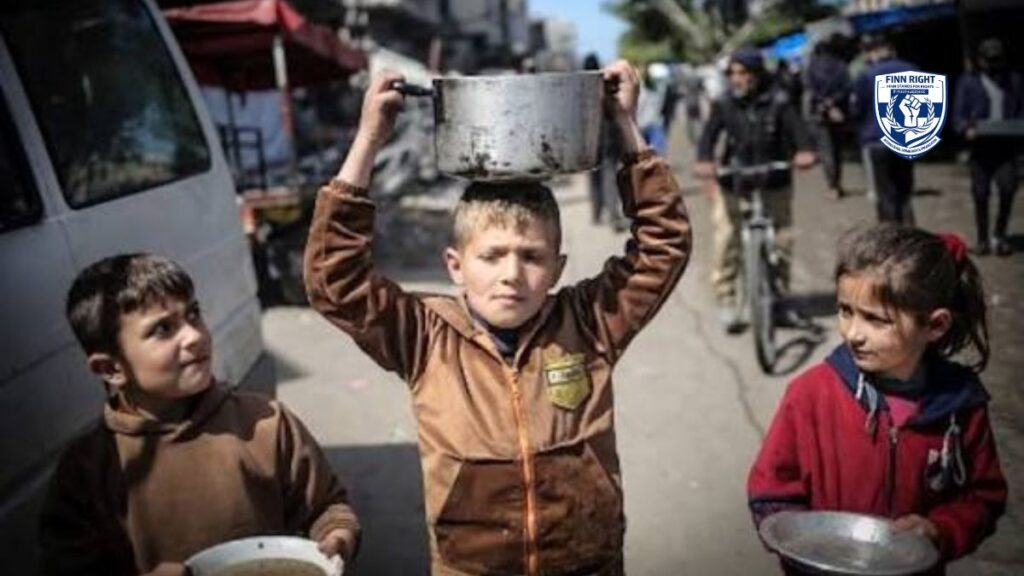
The current phase of the Gaza conflict is characterized by intense military operations, widespread destruction, and the near collapse of governance and public services.
Civilian areas, including residential neighborhoods, have been heavily impacted.
Reports indicate that violence has continued even during periods described as ceasefires, with incidents of strikes and casualties still occurring.
In such an environment, accountability mechanisms are weakened, and access for independent monitoring is limited.
The Deir al-Balah case emerges within this context of ongoing instability. The reported detention of a civilian and alleged harm inflicted on a child highlight the blurred lines between combat operations and civilian life.
The lack of clear oversight and enforcement mechanisms increases the risk of abuses going uninvestigated and unpunished.
Targeted Human Rights Violations
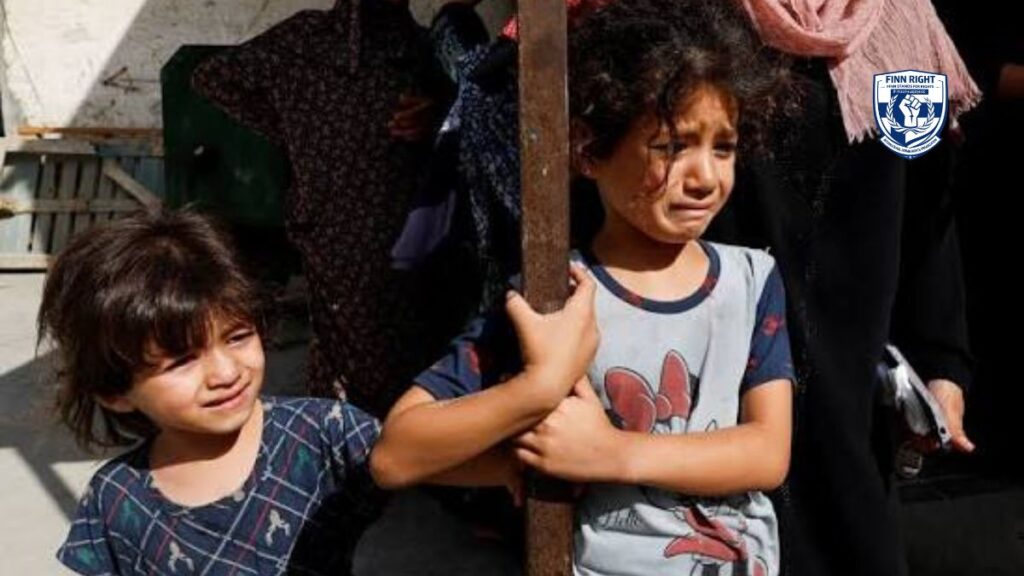
The situation in Gaza involves multiple forms of human rights violations, many of which directly affect children and families.
Violence Against Children
Data from international organizations indicates that thousands of children have been killed or injured since the escalation of conflict. These figures point to a pattern of harm that extends beyond isolated incidents.
The allegation involving Jawad Abu Nassar, if confirmed, would represent an extreme violation: the use of torture against a child.
International law categorically prohibits such acts under any circumstances. Torture, especially against minors, constitutes one of the gravest breaches of human rights and humanitarian law.
Arbitrary Detention and Coercion
The detention of civilians without clear legal process remains a significant concern. Reports suggest that detainees may face ill-treatment, lack of access to legal representation, and uncertain conditions of confinement.
In the Deir al-Balah case, the continued detention of the child’s father raises questions about due process, transparency, and the use of coercion.
Allegations that harm to a child may have been used as a means of pressure further intensify these concerns.
Destruction of Civilian Infrastructure
Healthcare systems in Gaza have been severely affected, with reports indicating that no hospital remains fully functional.
This collapse of medical infrastructure exacerbates the impact of injuries and limits the ability to provide care to those in need.
The destruction of homes, schools, and essential services contributes to a broader humanitarian crisis, leaving civilians without basic necessities.
Impact on Individuals and Communities
The human consequences of these violations are profound and far-reaching.
Trauma and Psychological Harm
Children exposed to violence, injury, and loss face long-term psychological effects. Fear, anxiety, and trauma can shape their development and well-being for years to come.
In cases like that of Jawad Abu Nassar, the impact extends beyond physical injury. The experience of harm at such a young age, combined with the absence of a detained parent, creates deep emotional and psychological distress.
Family Separation
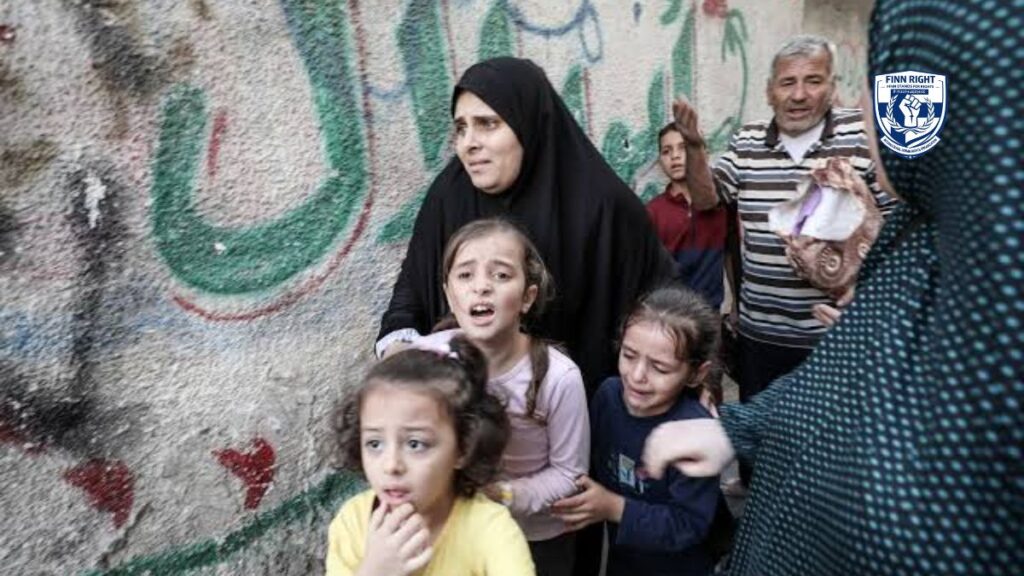
Detention practices often result in the separation of families. Parents may be held without communication, leaving children without caregivers and support.
This separation disrupts family structures and contributes to a sense of insecurity and instability.
Displacement and Loss of Stability
Large-scale displacement has forced families to leave their homes, often multiple times. Access to shelter, food, and clean water remains limited, increasing vulnerability to further harm.
Communities that once provided support and stability are fragmented, making recovery more difficult.
Legal, Political, and Institutional Analysis
International law provides clear protections for civilians, particularly children. The Convention on the Rights of the Child and the Geneva Conventions prohibit torture, arbitrary detention, and attacks on civilian populations.
Despite these frameworks, enforcement remains a critical challenge. The lack of independent investigations, limited access for observers, and political complexities hinder accountability.
Reports from organizations such as Defense for Children International indicate patterns of abuse within detention systems, including allegations of beatings, denial of medical care, and coercive practices.
A United Nations expert has recently warned that such practices may be systemic, rather than isolated incidents.
Humanitarian Crisis and Displacement
The scale of the humanitarian crisis in Gaza is severe. Millions of people are affected by displacement, food insecurity, and lack of access to essential services.
Healthcare systems are overwhelmed, and the destruction of infrastructure limits the delivery of aid. Children, in particular, face heightened risks due to malnutrition, lack of medical care, and exposure to unsafe conditions.
Humanitarian organizations continue to call for unimpeded access to deliver aid and provide assistance. However, operational challenges and security concerns often restrict their ability to respond effectively.
Religious Freedom and Identity-Based Persecution
While the Gaza conflict is primarily political and territorial, identity factors—including nationality and community affiliation—play a role in shaping vulnerability.
Civilians, particularly children, are often affected not because of individual actions but because of their presence in contested areas. This raises concerns about collective punishment and the targeting of populations based on identity.
International law prohibits such practices, emphasizing the need to distinguish between combatants and civilians at all times.
Responses, Coping Mechanisms, and Resilience
Despite the severity of the crisis, communities in Gaza continue to demonstrate resilience. Families support one another, local networks provide assistance, and humanitarian organizations work to deliver aid under difficult conditions.
Parents strive to protect their children, even in the absence of basic resources. Community solidarity plays a crucial role in coping with trauma and loss.
At the same time, these efforts cannot replace the need for structural solutions, including protection, accountability, and the restoration of essential services.
International Response and Global Implications
The international community has expressed concern over the situation in Gaza, with calls for ceasefires, humanitarian access, and protection of civilians.
Organizations and governments have emphasized the need for independent investigations into alleged violations, including cases involving children.
The Deir al-Balah incident highlights the importance of global attention and action. Failure to address such cases risks undermining the credibility of international human rights systems and setting dangerous precedents.
Future Risks and Outlook
The ongoing conflict poses significant risks for the future. Continued violence, lack of accountability, and humanitarian challenges may lead to further deterioration of conditions in Gaza.
Children growing up in this environment face long-term consequences, including disrupted education, psychological trauma, and limited opportunities.
Without meaningful intervention, the cycle of violence and suffering is likely to continue, affecting generations to come.
Conclusion and Call to Action
The allegations emerging from Deir al-Balah represent a critical test for the international human rights system. If confirmed, the reported treatment of a 22-month-old child would constitute a grave violation of international law and a profound failure to protect the most vulnerable.
Beyond this individual case, the broader situation in Gaza demands urgent attention. The protection of civilians, particularly children, must be prioritized.
Key steps are essential:
- Immediate and independent investigation into reported abuses
- Protection and medical care for affected individuals
- Transparency regarding detainees and their conditions
- Accountability for those responsible for violations
- Unhindered humanitarian access to all affected areas
- Children
Human rights are not optional principles; they are binding obligations. Ensuring their protection requires more than statements—it requires action, accountability, and a commitment to justice.
The voices of those affected, especially children, must not be ignored. Their safety, dignity, and future depend on the willingness of the international community to act decisively and uphold the principles it has pledged to defend.
Read more about children in Gaza and global human rights issues on our platform
2 Responses