
Childhood is meant to be a time of learning, growth, and safety Child Labor.
Yet for millions of children in India and around the world, it is defined by labor, hardship, and lost opportunities.
Child labor remains one of the most persistent human rights challenges, despite global commitments to end it.
In India, the problem is deeply rooted in poverty, inequality, and systemic failures, affecting millions of children who are forced to work instead of going to school.
This crisis is not only about economic survival—it is about the denial of fundamental human rights.
Children are being deprived of education, exposed to dangerous conditions, and subjected to exploitation.
Their voices often remain unheard, hidden behind supply chains, informal economies, and social acceptance of child labor.
Understanding this issue requires looking beyond statistics and examining the systems, policies, and lived experiences that continue to trap children in cycles of poverty and exploitation.
Background and Historical Context
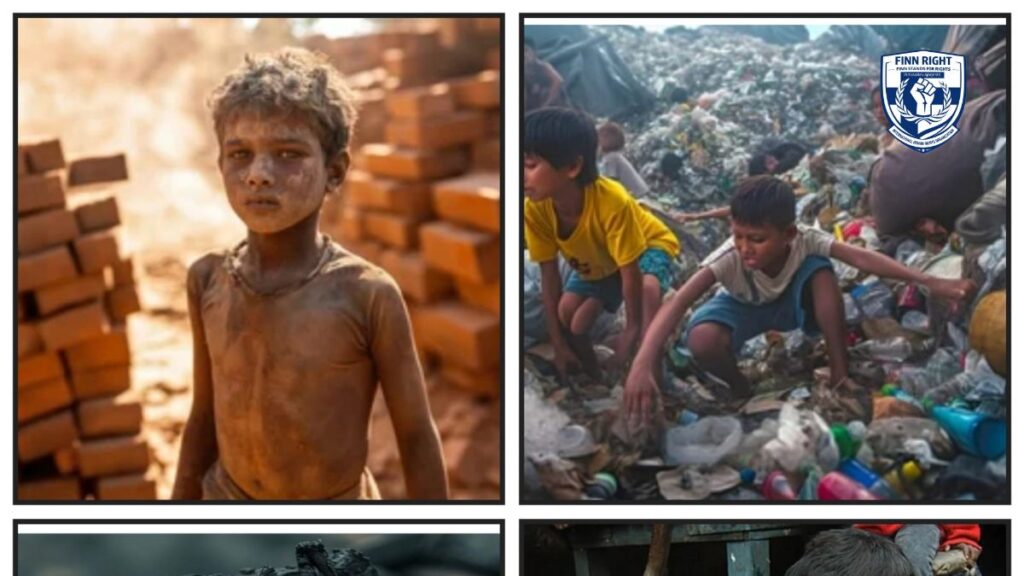
Child labor in India has long been linked to structural poverty, social inequality, and limited access to education.
Historically, children in rural and low-income families have contributed to household income through agricultural or informal work.
While some forms of family-based work were once seen as part of traditional life, economic pressures have transformed this into exploitative labor in many cases.
Over the years, India has introduced laws and policies to reduce child labor, including restrictions on hazardous work and efforts to promote universal education.
These initiatives have led to some progress, as reflected in declining official figures. However, enforcement remains inconsistent, and many forms of labor continue to exist in hidden or informal sectors.
Globally, child labor remains widespread. Estimates suggest that around 152 million children between the ages of 5 and 17 are engaged in labor, with a large proportion in the 5–14 age group.
These figures highlight the scale of the problem and the need for sustained global action.
Conflict Dynamics and Current Situation
The persistence of child labor in India is closely tied to economic instability and social vulnerability.
Families facing financial hardship often have no choice but to rely on their children’s labor. This can result from job loss, illness, debt, or the death of a primary earner.
Migration further increases vulnerability. Children who move with their families or travel alone in search of better opportunities are at higher risk of exploitation and trafficking. In such situations, children may be forced into work under unsafe conditions, with little or no pay.
Despite efforts to address the issue, millions of children in India remain engaged in labor. While official numbers have declined over time, the reality on the ground suggests that many cases go unreported, especially in rural and informal sectors.
Targeted Human Rights Violations
Child labor represents a serious violation of multiple human rights. These include the right to education, protection from exploitation, and the right to health and development.
Economic Exploitation and Forced Labor
Many children are forced to work long hours in exchange for very low wages. In some cases, they receive no payment at all, particularly when their labor is tied to family debt. This form of bonded labor traps children in cycles of exploitation with little chance of escape.
Hazardous Working Conditions
Children often work in dangerous environments, including:
- Agriculture: Exposure to harmful pesticides, heavy labor, and extreme weather conditions
- Mining: Work in underground tunnels, carrying heavy loads, and handling toxic substances
- Fishing: Long hours at sea with risks from harsh weather and isolation
- Street Work: Exposure to traffic, pollution, and potential involvement in illegal activities
- Child Labor
These conditions pose serious risks to both physical and mental health.
Abuse and Violence
Reports indicate that many child laborers experience physical or verbal abuse from employers. Without legal protection or access to justice, children are often unable to report these violations.
Impact on Individuals and Communities
The consequences of child labor extend far beyond immediate physical harm.
Loss of Education
Children engaged in labor are often unable to attend school. This limits their future opportunities and perpetuates cycles of poverty. Many children express a strong desire to study but are unable to do so due to economic pressures.
Psychological and Emotional Harm
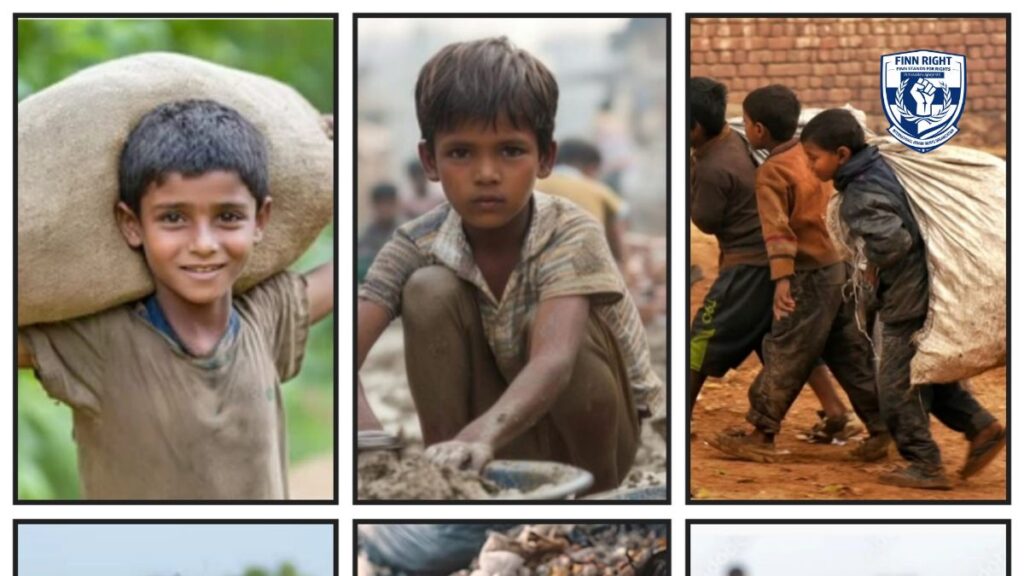
Working in harsh conditions can lead to anxiety, depression, and low self-esteem. Children may feel isolated, especially when they see others their age attending school.
Family and Social Impact
Child labor affects entire communities. It reinforces inequality, reduces overall education levels, and limits economic development. Families remain trapped in poverty, as children grow up without the skills needed for better opportunities.
Legal, Political, and Institutional Analysis
India has implemented various laws to address child labor, including restrictions on hazardous work and policies promoting education. However, significant gaps remain in enforcement and coverage.
- Incomplete Legal Protections: Some hazardous sectors where children work are not fully covered by existing bans.
- Weak Enforcement: Implementation of laws varies across regions, with some areas lacking adequate monitoring.
- Low Prosecution Rates: Crimes related to child labor, including trafficking, often go unpunished.
- Restrictions on Civil Society: Regulations affecting non-governmental organizations have limited their ability to address child labor effectively.
- Child Labor
These challenges highlight the need for stronger institutional frameworks and accountability mechanisms.
Humanitarian Crisis and Displacement
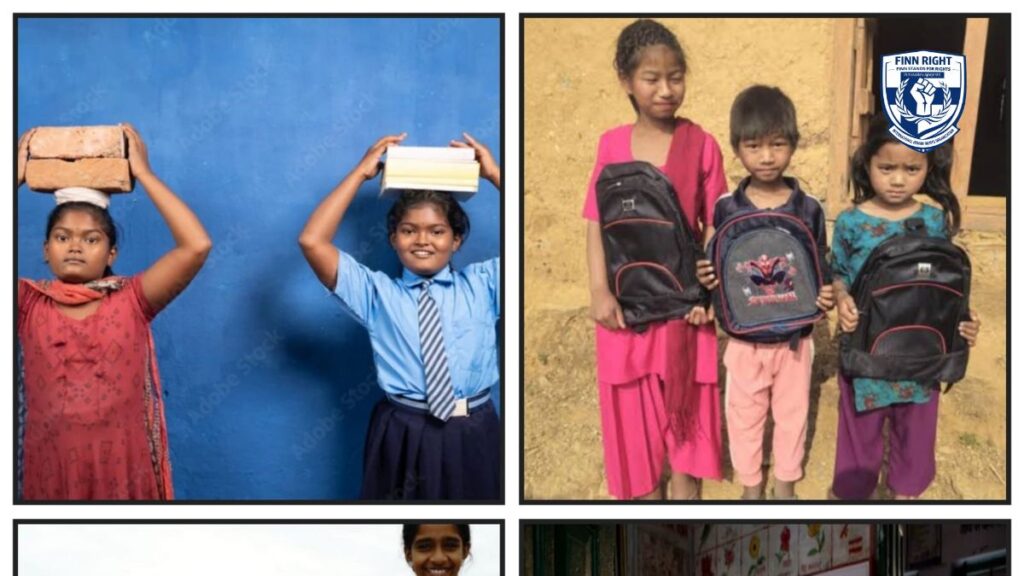
Child labor is closely linked to broader humanitarian issues, including poverty, migration, and displacement. Children from marginalized communities are particularly vulnerable.
Access to basic services such as healthcare, education, and social protection is often limited for working children. This increases their vulnerability to illness, injury, and exploitation.
Organizations working in this field face significant challenges, including limited resources and restricted access to affected communities. Despite these obstacles, they play a crucial role in rescuing children and providing support.
Religious Freedom and Identity-Based Vulnerability
While child labor primarily stems from economic factors, identity-based vulnerabilities can increase risk. Children from marginalized communities, including minority groups, often face additional barriers to education and protection.
Social discrimination can limit access to opportunities, pushing families toward labor as a survival strategy. This intersection of poverty and identity further complicates efforts to eliminate child labor.
Responses, Coping Mechanisms, and Resilience
Despite these challenges, efforts to combat child labor continue at multiple levels.
- Rescue Operations: Authorities have rescued thousands of children from trafficking and forced labor situations.
- Community Awareness: Local initiatives aim to educate families about the importance of education and the risks of child labor.
- Support Networks: Non-governmental organizations provide shelter, education, and rehabilitation for affected children.
- Child Labor
Children themselves show remarkable resilience. Many express a strong desire to learn and build a better future, even in the face of hardship.
International Response and Global Implications
Child labor is a global issue that requires coordinated international action. Governments, organizations, and corporations all have a role to play in addressing the problem.
Supply chains linked to industries such as agriculture and manufacturing often rely on child labor, directly or indirectly. Ensuring transparency and accountability in these sectors is essential.
International organizations continue to advocate for stronger protections, increased funding for education, and enforcement of labor laws. However, progress remains uneven.
Future Risks and Outlook
Without significant intervention, child labor is likely to persist. Economic instability, population growth, and climate-related challenges may increase vulnerability in the future.
Key risks include:
- Continued reliance on child labor in informal sectors
- Limited access to education for marginalized communities
- Weak enforcement of existing laws
- Child Labor
Addressing these risks requires sustained commitment from governments, communities, and international partners.
Conclusion and Call to Action
Child labor in India represents a profound violation of human rights. It deprives children of their childhood, education, and future opportunities. Despite progress, millions of children remain trapped in cycles of exploitation and poverty.
Ending child labor requires collective action. Governments must strengthen laws and enforcement, corporations must ensure ethical supply chains, and communities must prioritize education and child protection.
Every child deserves a safe and nurturing environment, free from exploitation.
Protecting children is not only a moral obligation but also essential for building a just and equitable society. The time to act is now—to ensure that no child is forced to trade their future for survival.
Read more about child labor issues and global human rights efforts on our website