For decades, the small island nation of Bahrain has stood as a unique crossroads in the Middle East. It is a place where deep-rooted Islamic traditions meet a fast-paced, modern global economy.
But when we talk about the heart of this nation, we must discuss the people who are often the most accurate measure of a country’s progress: its women.
The story of Bahrain women’s rights is not just a collection of laws; it is a story of mothers, daughters, entrepreneurs, and activists who are redefining what it means to be a woman in the 21st-century Arab world.
Bahrain Women’s Rights Issues: The Tale of Two Worlds
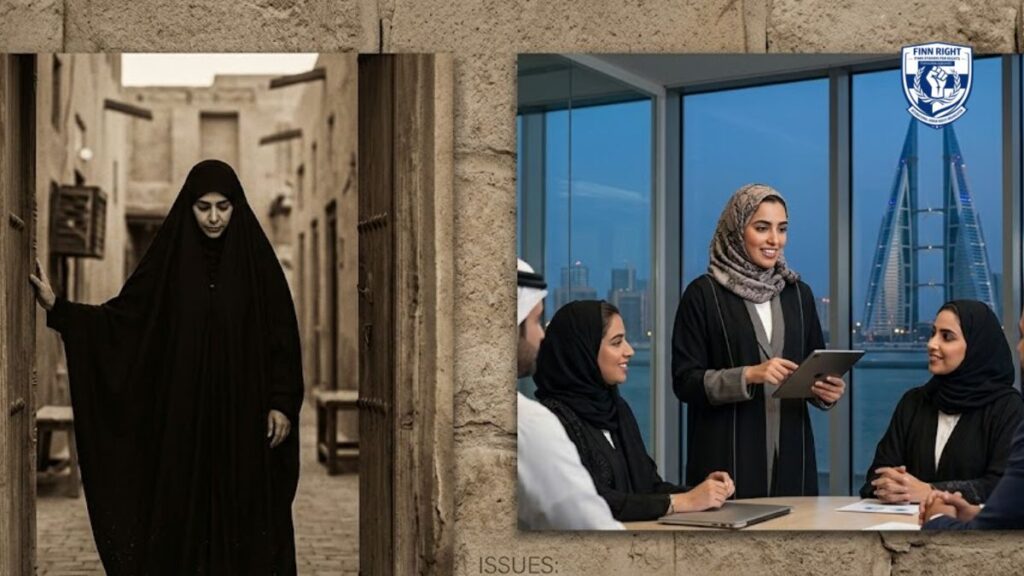
Imagine a young woman named Fatima growing up in Manama. She is part of the most liberally educated generation in the MENA region. She spends her mornings at the University of Bahrain, where women actually outnumber men.
However, when she returns home, she still feels the weight of traditional societal norms. This is the central paradox of Bahrain women’s rights issues: while the secular part of the law pushes women toward the future, the religious part the Sharia law often holds a firm grip on the past.
Since King Hamad bin Isa Al-Khalifa took the throne in 1999, he has made political reforms a cornerstone of his leadership.
He realized that for Bahrain to thrive, it could not leave half its population behind. In 2002, the constitution was updated to declare that men and women are equal.
But, as many activists point out, the law also states that the family is the “cornerstone of society,” which often locks women into very conservative roles.
Understanding the balance of tradition and progress is key to grasping the current state of Bahrain women’s rights.
Bahrain Women’s Rights Wikipedia: Breaking the Glass Ceiling
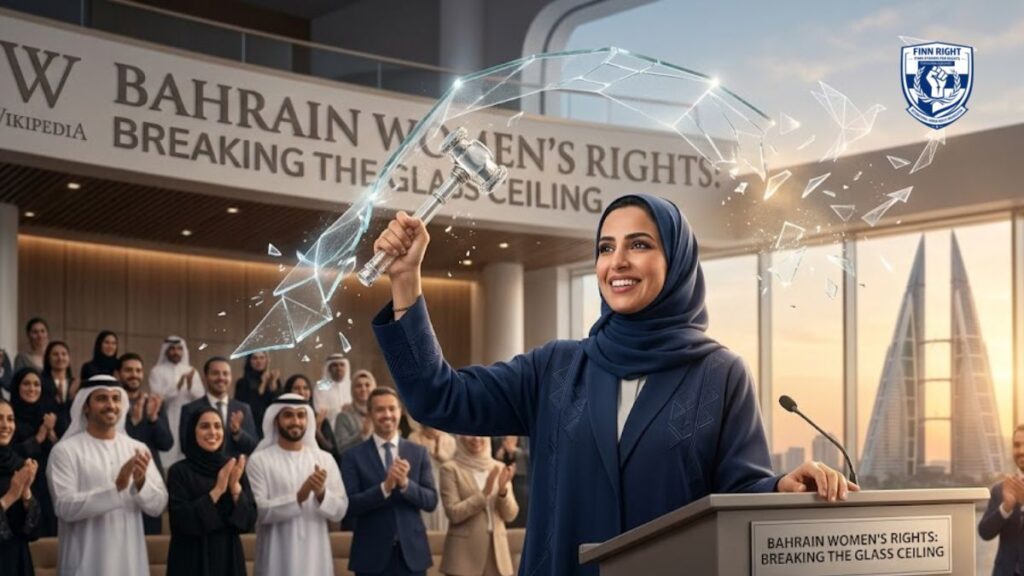
As documented in the history of Bahrain women’s rights Wikipedia records, political halls were silent regarding female voices for a long time. Before 2002, women had no political rights and could neither vote nor stand as candidates.
When the doors finally opened, the change didn’t happen overnight. In the first elections of 2002, despite many women standing as candidates, not a single one was elected.
However, the tide began to turn. Consider the story of Lateefa Al Gaood. In 2006, she made history as the first woman to win a seat in parliament.
By 2018, the number of elected female representatives reached an all-time high of six. This progress is largely thanks to the Supreme Council for Women, a semi-governmental body that works tirelessly to ensure women have a seat at the table.
This progress highlights how Bahrain women’s rights are no longer just a goal, but a lived reality in the modern era.
Do Women in Bahrain Wear Hijab? Cultural Expressions
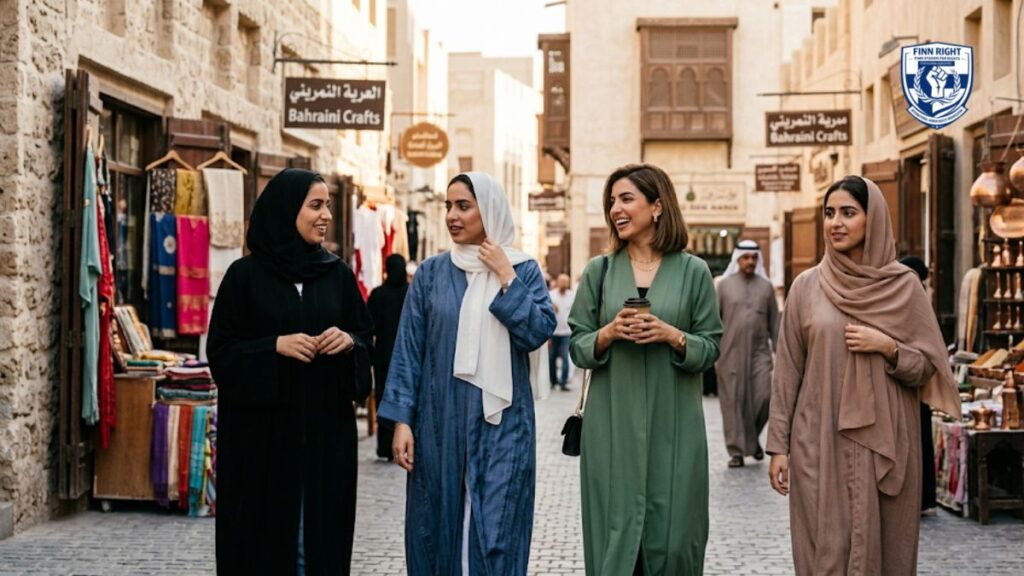
A common question for those looking into the region is: Do women in Bahrain wear hijab? The answer is a blend of personal choice and cultural tradition.
While Bahrain is more liberal and accepting in its interpretation of Islam than some of its neighbors, many women still choose to wear the hijab as a sign of faith and ethics.
In public spaces, you will see a diverse range of styles, reflecting Bahrain’s status as an ethnically and religiously diverse nation.
Bahrain Female Dress Code: Modesty and Style
The Bahrain female dress code generally emphasizes modesty. While there is no legal requirement for non-Muslim women to cover their heads, it is culturally respectful to dress modestly in public, particularly when visiting religious sites or traditional neighborhoods.
Local women often wear the abaya, a flowing black cloak, frequently paired with stylish accessories that showcase their individuality within the framework of traditional societal norms.
Bahrain Most Beautiful Woman: Empowerment as Beauty
When people search for the Bahrain most beautiful woman, the conversation is increasingly shifting toward inner strength and achievement.
Beauty in Bahrain is defined by the resilience of its female leaders, such as Haya Rashid Al Khalifa, the first Middle Eastern woman to lead the UN General Assembly.
True beauty is seen in the 18% of startups founded by women, making Bahrain a global leader in female entrepreneurs.
Bahrain Sexism: Structural and Social Barriers
Despite the progress, Bahrain sexism remains a significant hurdle. Women continue to face gender inequality in many areas of life, from the workforce to the legal system.
- Workforce Participation: Women make up only about one-fifth of the working population.
- Legal Disparity: In Islamic courts, a woman’s testimony is often valued at half that of a man’s.
- Inheritance: Under Sharia law, women generally receive half the inheritance share allotted to men.
- Bahrain Women’s Rights Navigating the Path .
Living in Bahrain as a Woman: Daily Life and Safety
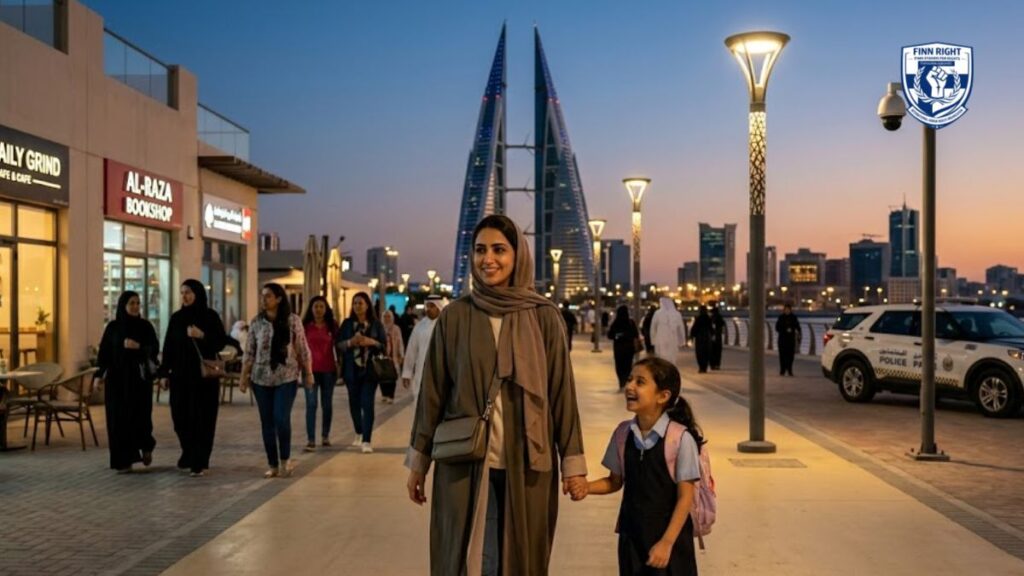
Living in Bahrain as a woman offers a higher degree of freedom than in many surrounding countries. Bahraini women are academic superstars; in 2007, they made up 72% of students at Arabian Gulf University.
For residents and expats alike, the country provides adequate healthcare and education. However, structural barriers and social pressures to adhere to traditional roles still influence daily choices.
Bahrain Laws for Tourists: What You Need to Know
Understanding Bahrain laws for tourists is essential for a smooth visit.
- Dress Respectfully: While there is no strict Bahrain female dress code for visitors, covering shoulders and knees in public is advised.
- Public Behavior: Public displays of affection should be kept to a minimum to respect local ethics.
- Legal Protections: While Law No. (17) of 2015 provides protection from domestic violence for residents, tourists should always be aware of local customs regarding social interactions.
- Bahrain Women’s Rights
A Step-by-Step Guide to Supporting the Cause
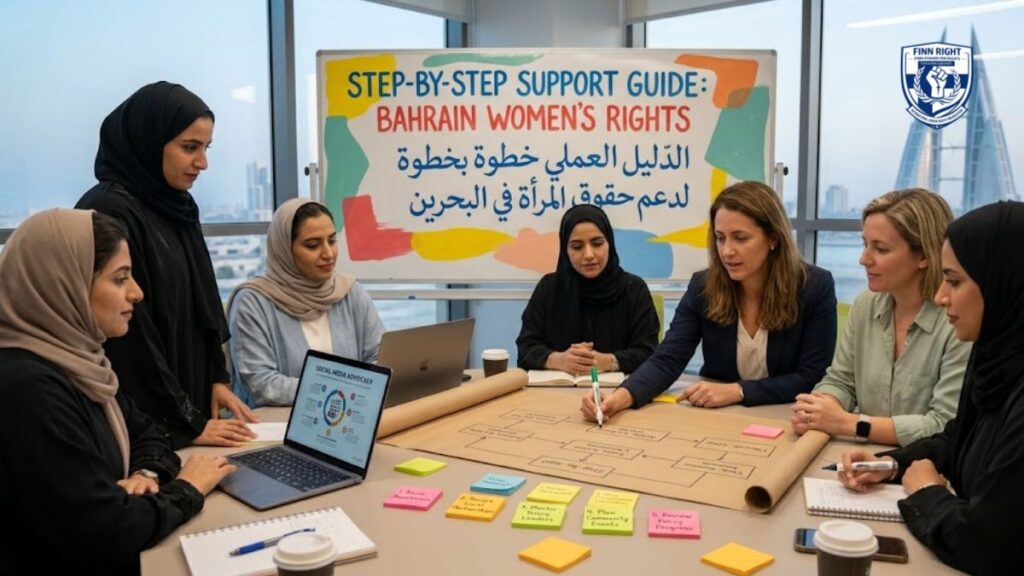
If you believe in gender equality and want to help push for civil rights activism, here is how you can get involved:
- Educate Yourself: Read the reports from the Supreme Council for Women and the Bahrain Women’s Union to understand current legal gaps.
- Support Female-Led Businesses: Since Bahrain is a hub for female entrepreneurs, choosing to buy from these startups directly empowers women.
- Advocate for Legal Reform: Support NGOs that are calling for the removal of reservations on CEDAW.
- Raise Awareness: Use your platform to talk about gender-responsive budgeting and the need for non-discrimination in state policies.
- Bahrain Women’s Rights
FAQ
Is Bahrain LGBTQ friendly?
While Bahrain is more socially open than some neighbors, same-sex relations are legally complex and public displays of affection are generally discouraged due to traditional values and “public decency” laws.
Is Bahrain female friendly?
Yes, Bahrain is considered one of the most progressive and welcoming countries in the region for women, offering high levels of safety, respect, and freedom in daily social life.
Can a woman wear shorts in Bahrain?
Women can wear shorts in modern areas and private resorts, but it is culturally respectful and recommended to wear clothing that covers the shoulders and knees in public or conservative spaces.
Is Bahrain safe for females to work?
Bahrain is very safe for professional women, boasting a robust legal framework that supports female employment and one of the highest rates of female entrepreneurship in the world.
What is the leading cause of death in Bahrain?
The leading cause of death in Bahrain is cardiovascular disease, which sits alongside other non-communicable diseases like diabetes and cancer as the nation’s primary health burdens.
Why This Matters for You
You might be wondering, “Why should I care about Bahrain women’s rights?. The answer is simple: progress in one part of the world inspires progress everywhere.
When you support platforms like FinnRight, you are supporting a movement that demands gender parity and family stability for everyone.
Our mission at FinnRight is to shine a light on these issues. We don’t just report the news; we advocate for the fundamental human rights of every individual. By following our work and supporting our initiatives, you are becoming part of a global community that refuses to stay silent.
Join us today. Whether it is through sharing our articles or contributing to our advocacy funds, your support ensures that the voices of women in Bahrain and across the globe are heard loud and clear.
Let’s build a world where the “cornerstone of society” isn’t just a phrase, but a reality where everyone is truly equal.
Explore more about global empowerment by reading our Womens Rights Slogans: The Ultimate Guide to see how voices are rising for Bahrain women’s rights.
4 Responses