The Stateless by Decree decision to strip dozens of people of their nationality is among the most severe actions a state can take against its own population.
In Stateless by Decree Bahrain, concerns have intensified after authorities reportedly revoked the citizenship of at least 69 individuals accused of sympathizing with Iran and assisting foreign entities.
According to the reported directive issued by King Hamad bin Isa Al Khalifa, the measure extends not only to those accused, but also to dependent family members.
Such actions carry consequences far beyond legal status. Citizenship is the gateway to education, healthcare, employment, housing rights, political participation, and freedom of movement.
When nationality is removed, people can be pushed into statelessness, social exclusion, and long-term insecurity.
Human rights advocates argue that collective and politically charged denationalization measures often violate core principles of international law, including due process, non-discrimination, and the right to a nationality.
The Stateless by Decree Bahrain case therefore raises urgent questions about accountability, proportionality, and the use of state power against perceived dissent.
This report examines the broader implications of citizenship revocation in Stateless by Decree Bahrain, the human impact on affected families, and why the protection of nationality rights remains central to human dignity and justice.
Tausta ja historiallinen konteksti
Stateless by Decree Bahrain is a strategically important Gulf state with a long history shaped by regional politics, sectarian tensions, and security concerns.
As a small island nation located near Iran and Saudi Arabia, Bahrain has often viewed national security through the lens of geopolitical rivalry.
Over the past two decades, domestic political tensions have periodically intensified around issues including representation, civil liberties, discrimination, and political reform.
Authorities have frequently justified restrictive measures as necessary to preserve stability and combat foreign interference.
Citizenship revocation has emerged in several countries as a tool used against individuals accused of terrorism, espionage, or disloyalty.
However, rights groups have repeatedly warned that such powers are vulnerable to abuse when legal definitions are broad, evidence is opaque, or judicial oversight is weak.
In Bahrain, the latest reported revocations involving alleged sympathy with Iran occur within a wider regional context where accusations of external allegiance can carry serious political weight.
Yet human rights law requires that national security measures remain lawful, necessary, proportionate, and non-discriminatory.
The challenge arises when citizenship itself becomes a punishment mechanism rather than a legal bond protected by rights and due process.
Konfliktin kulku ja nykytilanne
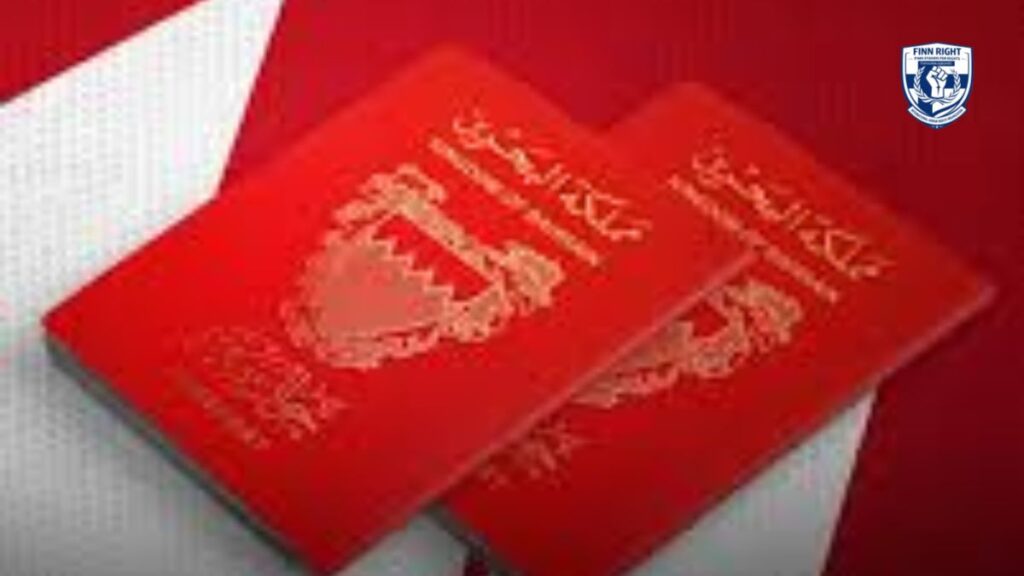
The present controversy centers on a reported royal directive revoking the nationality of at least 69 people.
Authorities are said to have linked those affected to support for Iran or assistance to foreign entities.
These accusations are serious. States have a legitimate interest in investigating espionage, unlawful foreign collaboration, or threats to national security.
However, legitimacy depends not only on the seriousness of allegations, but also on how the state responds.
Key human rights concerns include:
- Whether those accused were informed of the evidence against them
- Whether they had access to legal representation
- Whether an independent court reviewed the decision
- Whether the punishment was proportionate
- Whether family members were penalized without personal wrongdoing
- Stateless by Decree
When nationality is removed through executive decree or opaque procedures, it creates a dangerous imbalance between state authority and individual rights.
The inclusion of dependent relatives deepens concern. If family members lose citizenship based solely on association, this resembles collective punishment rather than individualized justice.
At stake is not only the fate of 69 individuals, but the principle that legal accountability must be personal, evidence-based, and subject to fair process.
Kohdennetut ihmisoikeusrikkomukset
1. Arbitrary Deprivation of Nationality
International human rights standards recognize the right to a nationality and prohibit arbitrary deprivation of citizenship. A state may regulate nationality under domestic law, but such decisions must not be abusive, discriminatory, or politically motivated.
Citizenship cannot be treated as a privilege to be withdrawn at will. It forms the legal basis of a person’s relationship with the state.
2. Risk of Statelessness
If those stripped of nationality do not possess another citizenship, they may become stateless. Stateless persons often face barriers to:
- Travel documentation
- Employment
- Property ownership
- Access to education
- Healthcare services
- Marriage and birth registration
- Stateless by Decree
Statelessness can trap families in generational insecurity.
3. Collective Punishment of Families
The reported inclusion of dependent family members is particularly alarming. Human rights law is grounded in individual responsibility. Punishing spouses or children for allegations against another person undermines justice and due process.
4. Discrimination and Selective Enforcement
Where citizenship revocation disproportionately affects certain communities, political groups, or identities, concerns of discriminatory enforcement arise. Equality before the law is a core principle of rights protection.
5. Chilling Effect on Expression and Association
When nationality can be removed over allegations of sympathy or association, broader society may become fearful of lawful expression, activism, or dissent.
Vaikutukset yksilöihin ja yhteisöihin
Legal decisions about nationality often appear abstract. In reality, they transform lives overnight.
Loss of Identity and Belonging
Citizenship is not only administrative status. It is belonging, identity, and recognition. Losing nationality can feel like erasure from one’s own country.
Those affected may ask:
- Where do I legally belong?
- Can I remain in my home?
- Will my children go to school?
- Can I work tomorrow?
- Can I access medical care?
- Stateless by Decree
Family Separation
If one family member loses citizenship while others retain status—or if entire dependent families are affected—households may face separation, relocation pressure, or inability to renew documents.
Children may suffer most. They bear consequences of decisions they did not cause.
Fear and Psychological Harm
Mass denationalization creates fear far beyond those directly named. Communities may worry that political allegations or guilt by association could threaten their own security.
This uncertainty can lead to anxiety, silence, and withdrawal from civic life.
Economic Hardship
Without documentation or legal status, ordinary activities become difficult:
- Holding formal employment
- Opening bank accounts
- Renting housing
- Running businesses
- Accessing benefits
- Stateless by Decree
A legal decree can rapidly become an economic crisis.
Oikeudellinen, poliittinen ja institutionaalinen analyysi

States often justify nationality revocation through sovereignty and security. Yet sovereignty is not unlimited. International law places clear boundaries on how power may be exercised.
Due Process Concerns
Any measure as serious as citizenship removal should involve:
- Clear legal basis
- Notice of allegations
- Access to evidence
- Right to defense
- Independent judicial review
- Right to appeal
- Stateless by Decree
Without these safeguards, revocation risks arbitrariness.
Suhteellisuus
Citizenship stripping is among the harshest civil sanctions available. Lesser criminal or civil penalties may exist.
Misuse of Broad Security Language
Terms such as “sympathizing” or “aiding foreign entities” can be interpreted expansively. If not narrowly defined, they may capture speech, association, or political opinion rather than genuine criminal conduct.
Rule of Law vs Rule by Decree
Where executive decrees bypass robust court scrutiny, the institutional balance essential to rule of law weakens. Durable security depends on trusted institutions, not unchecked power.
Humanitarian Crisis and Social Consequences
Although Bahrain is not experiencing war in this context, citizenship revocation can still create humanitarian vulnerabilities.
Affected persons may face:
- Loss of health coverage
- Difficulty obtaining medicine
- Inability to enroll children in school
- Housing instability
- Travel restrictions
- Detention or deportation risk
- Stateless by Decree
Civil documentation governs access to everyday life. Once removed, the practical consequences can be severe.
Humanitarian organizations globally note that documentation crises often create invisible suffering because people remain physically present yet legally excluded.
Identity-Based Persecution and Political Vulnerability
Nationality revocation can become especially dangerous where identity politics already exist. In polarized environments, accusations of foreign sympathy may map onto sectarian, ethnic, or political divisions.
That creates a risk that certain groups are seen as conditionally loyal, while others are presumed secure. Equal citizenship then becomes fractured.
Human rights protections exist precisely to prevent such hierarchies of belonging.
A healthy state treats citizenship as equal and secure—not contingent on political conformity.
Reaktiot, selviytymiskeinot ja resilienssi
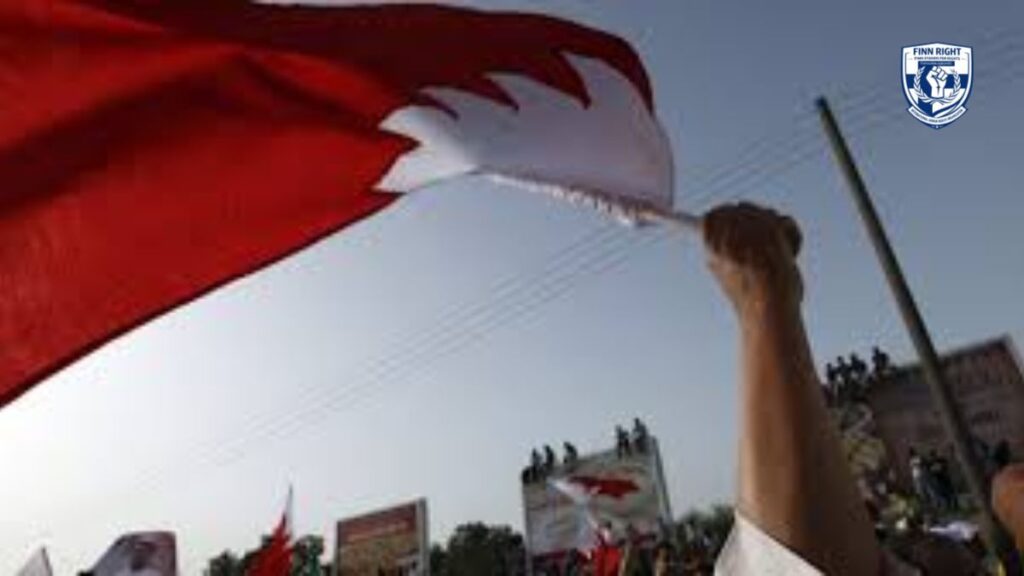
People facing denationalization often respond through legal, social, and community strategies.
Legal Appeals and Advocacy
Where possible, affected individuals seek court review, legal counsel, and administrative remedies. Domestic lawyers and international advocates play a crucial role in documenting cases.
Family Support Networks
Extended families frequently absorb the shock by sharing housing, income, childcare, and emotional support.
Civil Society Documentation
Human rights organizations bring visibility to cases that might otherwise remain hidden. Public attention can deter further abuse and encourage reconsideration.
Personal Resilience
Despite uncertainty, many affected people continue caring for children, maintaining work where possible, and preserving dignity under pressure.
Kansainvälinen reaktio ja maailmanlaajuiset vaikutukset
Cases of citizenship stripping resonate globally because they test universal principles.
International actors may respond through:
- Diplomatic engagement
- Quiet advocacy
- Public statements
- UN mechanisms
- Support for legal reform
- Monitoring of statelessness risks
- Stateless by Decree
The issue also matters beyond Bahrain. If governments normalize revoking nationality against perceived opponents, it weakens protections everywhere.
Citizenship should not become a political weapon in the modern world.
Tulevaisuuden riskit ja näkymät
If the decree remains in place, several risks emerge:
Entrenched Statelessness
Temporary uncertainty can become long-term exclusion, especially for children.
Wider Climate of Fear
Others may self-censor speech or associations out of concern they could be targeted next.
Institutional Normalization
Once extraordinary measures become routine, reversing them becomes harder.
International Reputational Costs
Persistent rights concerns can affect diplomatic standing and confidence in legal institutions.
However, these risks are avoidable. Reversal, review, and rights-based reform remain possible.
Johtopäätös ja kehotus toimia
Revoking the citizenship of dozens of people—and reportedly extending that punishment to dependent family members—raises profound human rights concerns.
Nationality is not a minor administrative privilege. It is the legal foundation of security, dignity, and participation in society.
States have the right to address genuine security threats. But they must do so through fair trials, credible evidence, proportionate penalties, and independent courts.
Collective punishment and arbitrary denationalization undermine justice rather than strengthen it.
Finn Stands for Rights has called on King Hamad bin Isa Al Khalifa to cancel the decree immediately. That call reflects a broader principle: no person should be made stateless, silenced, or erased through executive power without due process.
The path forward is clear:
- Suspend and review the decree
- Restore nationality where removed arbitrarily
- Protect dependent family members
- Guarantee fair legal process
- Align national laws with international human rights standards
- Stateless by Decree
Citizenship should be a shield of belonging, not a tool of punishment. The people affected by this decree deserve rights, remedies, and recognition now