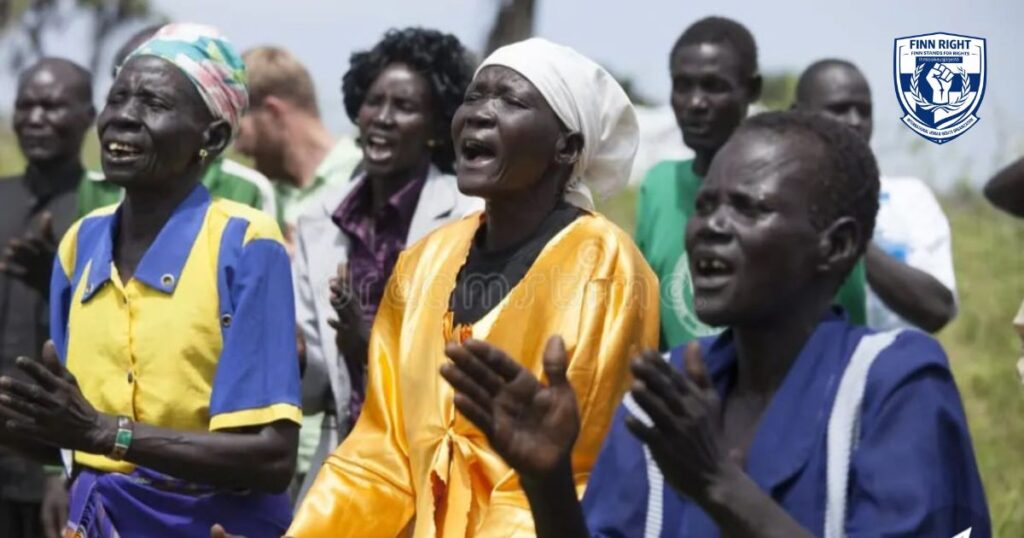
The right to practice one’s religion or beliefs freely is a basic human right. It allows individuals to practice their faith, express spiritual convictions, and participate in communities without fear.
Yet, for Christians in Sudan, this basic freedom has increasingly become a matter of survival. Following the 2021 military takeover and the outbreak of a brutal civil war in 2023, Sudanese Christians face escalating violence, persecution, and forced displacement.
Churches have been bombed, faith leaders arrested, and converts from Islam live under constant threat.
This crisis is not just about physical safety; it is a profound violation of human dignity, targeting individuals for their beliefs and identity.
The situation in Sudan serves as a stark reminder of how fragile religious freedom can become in times of political instability.
Background and Historical Context
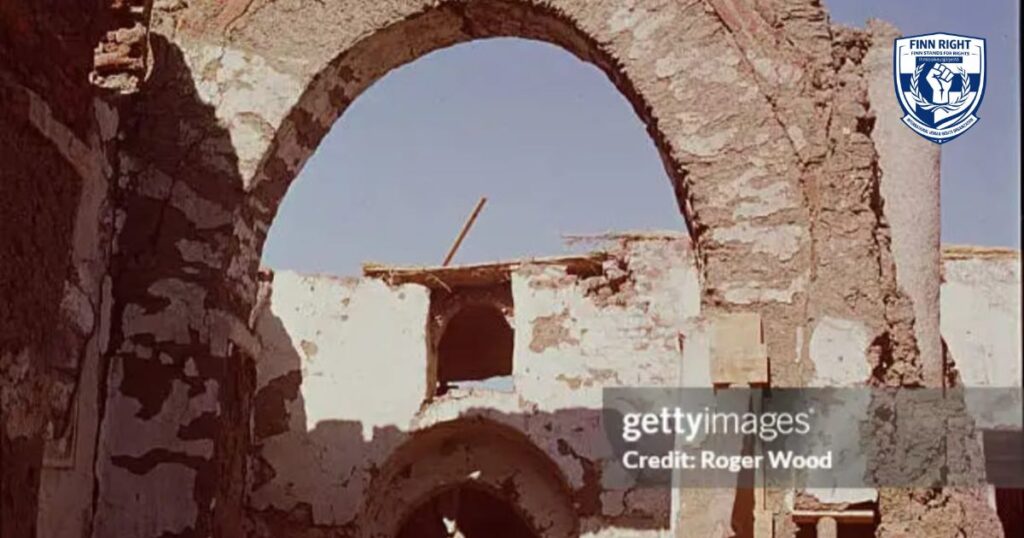
Sudan has long been a country marked by political unrest, ethnic tensions, and civil conflict. The overthrow of President Omar al-Bashir in 2019 initially raised hopes for reform, including improved religious freedoms. Al-Bashir’s regime had enforced strict Islamic laws, persecuted religious minorities,
and limited the construction of churches. The transitional government that followed promised greater inclusion and protection for minorities.
However, the military coup of 2021 dismantled these gains. Key figures associated with oppressive policies were reinstated, and old laws were revived to justify coercive measures against non-Muslims. By 2023, tensions between
the Sudanese Armed Forces (SAF) and the paramilitary Rapid Support Forces (RSF) escalated into full-scale civil war. This conflict created a lawless environment, eroding governance structures and leaving civilians, especially Christians, extremely vulnerable.
Conflict Dynamics and Current Situation
The civil war between SAF and RSF has turned Sudan into one of the world’s most dangerous places for civilians. Both sides have engaged in indiscriminate attacks, looting, and occupation of civilian areas.
Violence has become a daily reality, with reports of targeted killings, forced recruitment, and arbitrary detentions.
For Christians, the conflict has specific and direct consequences. Militias and extremist groups often target churches, religious leaders, and converts.
Public gatherings, religious events, and even private homes are not safe. The war has created a vacuum where impunity reigns, and fear permeates every aspect of life.
Targeted Human Rights Violations
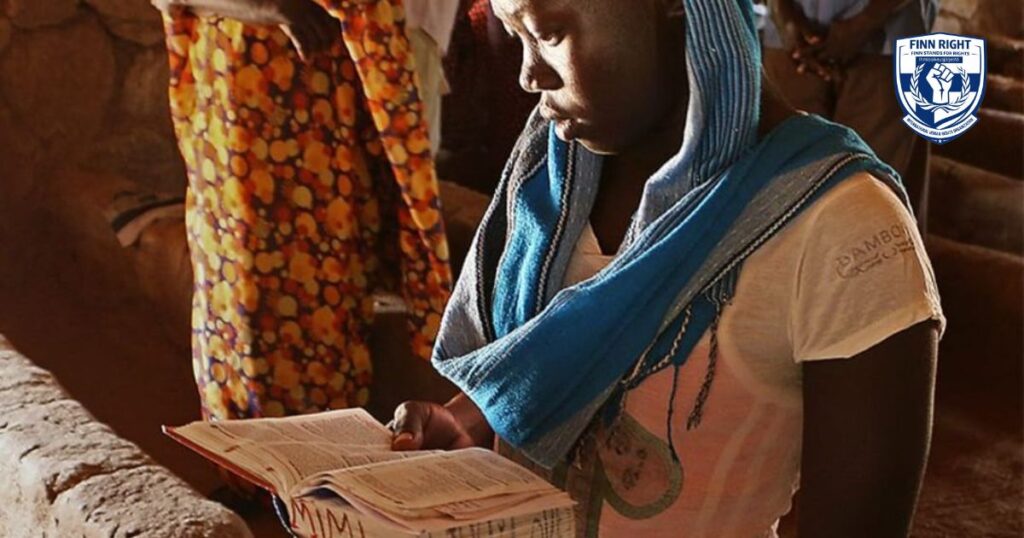
Christians in Sudan are experiencing systematic and severe human rights abuses. These violations can be categorized into several forms:
Violence and Direct Attacks
- Air Strikes on Civilians: In December 2025, SAF drones attacked a Christmas gathering in the Nuba Mountains, killing and wounding dozens of civilians at a location with no military significance.
- Destruction of Churches: Between March and December 2025, at least 13 churches in Khartoum and surrounding areas were demolished after SAF regained control, displacing over 35,000 worshippers.
- Occupation and Looting: Churches have been occupied, looted, and used as military bases. Priests, such as Fr. Luka Jomo in El-Fasher, were killed during targeted attacks on religious sites.
Legal and Institutional Discrimination
- Permit Discrimination: The government selectively grants building permits. Mosques often receive approval, while churches are denied permission to build or rebuild, leaving communities without places of worship. A Coptic community of 65 families in Northern State has struggled to reconstruct a church damaged in 2019 due to bureaucratic and extremist opposition.
- State-led Persecution: Security forces, including the National Intelligence and Security Service, have raided and demolished churches, arresting pastors and staff arbitrarily.
Persecution of Converts
- Family and Social Pressure: Converts from Islam face ostracization, threats from militias, and the risk of disownment by their families. One man, Haroon, lost access to his children after declaring his Christian faith.
- Forced Conversions: Reports indicate increasing pressure to convert to Islam, with threats of punishment for refusal.
- Arbitrary Detention: Faith leaders and humanitarian workers are frequently arrested without due process.
- The Persecution of Christians
Impact on Individuals and Communities

The human consequences of these abuses are profound and multifaceted:
- Displacement: Over 11 million people have been forced from their homes, many fleeing to internally displaced persons (IDP) camps or neighboring countries.
- Fear and Insecurity: Daily life is fraught with fear, making simple activities such as going to school, work, or attending church risky.
- Social Fragmentation: Communities are torn apart by displacement, persecution, and fear. Traditional support networks are disrupted, leaving individuals isolated.
- Economic Hardship: Looting, destruction, and forced flight have stripped families of livelihoods, compounding the humanitarian crisis.
- The Persecution of Christians
Legal, Political, and Institutional Analysis
Sudan’s legal framework and institutional failures have exacerbated the persecution of Christians:
- Revived Morality Laws: Old Islamic laws have been used to justify forced conversions, corporal punishment, and restriction of religious practices.
- Impunity for Perpetrators: Both state and non-state actors often operate without accountability, perpetuating violence and discrimination.
- Weak Protection Mechanisms: Courts, police, and local authorities frequently fail to protect religious minorities, leaving communities vulnerable.
- The Persecution of Christians
International human rights law, including the Universal Declaration of Human Rights and the International Covenant on Civil and Political Rights, guarantees freedom of religion and protection from discrimination. Sudan’s actions, therefore, represent clear violations of these principles.
Humanitarian Crisis and Displacement
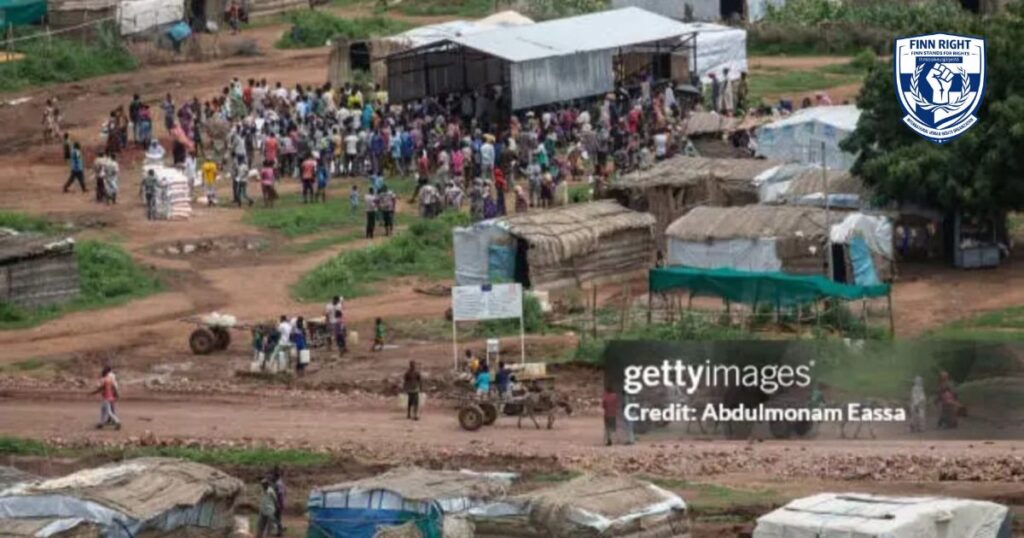
The civil war has produced one of the largest humanitarian crises in recent history:
- Scale of Displacement: Over 12 million people are internally displaced, with millions more in urgent need of food, water, and shelter.
- Access to Basic Needs: Health services are overwhelmed, schools are closed, and humanitarian aid is often blocked by conflict actors.
- Role of Humanitarian Organizations: NGOs and international agencies are providing critical support, including food distribution, medical care, and psychosocial services, but access is limited and insecure.
- The Persecution of Christians
Religious Freedom and Identity-Based Persecution
For Sudanese Christians, faith is not only a spiritual identity but also a marker of vulnerability:
- Targeting by Militias: Converts and historical Christian communities are targeted for violence due to their faith.
- Social Isolation: Fear of reprisal isolates believers from family and community networks.
- Suppression of Worship: Church demolitions, raids, and occupation disrupt religious practice, stripping communities of their cultural and spiritual life.
- The Persecution of Christians
Responses, Coping Mechanisms, and Resilience
Despite these immense challenges, the Christian community in Sudan is demonstrating resilience:
- Underground Worship: Many congregations have adopted a “house church” model, meeting secretly to avoid detection.
- Digital Ministry: Pastoral care, teaching, and counseling are increasingly conducted online, maintaining spiritual connection while reducing physical risk.
- International Support: Faith networks abroad provide crucial financial and logistical aid, helping displaced families access food, shelter, and healthcare.
International Response and Global Implications
The persecution of Christians in Sudan is a concern for the global human rights community:
- Calls for Accountability: Human rights organizations, including Finn Stands for Rights, are demanding investigations into arbitrary arrests, torture, and church demolitions.
- Diplomatic Pressure: International attention can pressure Sudanese authorities to respect human rights and uphold religious freedoms.
- Global Awareness: Publicizing these abuses helps protect other vulnerable populations and strengthens norms of religious freedom worldwide.
- The Persecution of Christians
Future Risks and Outlook
The outlook for Sudanese Christians remains precarious:
- Continued Civil War: Until the conflict between SAF and RSF is resolved, violence and lawlessness will continue to threaten civilians.
- Long-term Displacement: Prolonged instability may prevent communities from returning home or rebuilding.
- Institutionalized Discrimination: Without structural reforms, religious persecution is likely to persist, regardless of which faction controls the government.
- The Persecution of Christians
Conclusion and Call to Action
The crisis facing Christians in Sudan is a stark violation of human rights. Peaceful worship, personal faith, and community life have been replaced with fear, violence, and displacement. Churches have been destroyed, believers harassed, and converts threatened for exercising what should be a basic human right.
Urgent action is needed:
- Protect civilians and ensure religious freedom in all regions of Sudan.
- Investigate and hold perpetrators accountable for attacks on churches, individuals, and humanitarian workers.
- Support displaced communities with food, shelter, and medical aid through secure humanitarian channels.
- Amplify international advocacy to pressure Sudanese authorities to respect human rights.
- The Persecution of Christians
Standing in solidarity with Sudanese Christians is not only a moral imperative but a defense of human dignity itself. Their voices may be silenced in their communities, but the global human rights community must continue to speak out until justice and protection are restored.
“Read more about global religious freedom challenges and human rights violations here.”