
On 28 February 2026, a devastating attack struck the Shajareh Tayyebeh girls’ elementary school in Minab, a city in Iran’s Hormozgan province.
During the opening phase of United States–Israel military operations, missiles hit a functioning school filled with young students.
Reports from United Nations experts and humanitarian agencies indicate that more than 160 schoolgirls were killed, with many others injured.
This was not simply another tragic moment in war. It was a direct assault on children in a place meant for safety and learning.
The scale of the loss has raised urgent questions about the protection of civilians, the conduct of modern warfare, and the failure of international systems designed to prevent such outcomes.
The Minab school strike is not only a national tragedy for Iran; it is a global human rights crisis. It exposes deep flaws in how wars are fought, how laws are applied, and how the lives of children are valued in conflict zones.
Background and Historical Context
To understand the gravity of the Minab attack, it is essential to consider the broader geopolitical and military context.
Tensions involving Iran, the United States, and Israel have persisted for decades, shaped by regional rivalries, security concerns, and competing political interests.
These tensions have periodically escalated into direct or indirect confrontations.
In early 2026, hostilities intensified into active military operations.
As with many modern conflicts, the lines between military and civilian spaces became increasingly blurred. Urban areas, where civilian infrastructure is deeply embedded, became sites of strategic operations.
Historically, schools and hospitals have been recognized as protected spaces under international humanitarian law.
However, recent conflicts around the world have shown a troubling pattern: civilian infrastructure is increasingly exposed to harm, whether through deliberate targeting, intelligence failures, or disregard for precautionary measures.
The Minab strike reflects this broader erosion of protection norms. It highlights how, even with established legal frameworks, the realities of warfare often place civilians—especially children—at extreme risk.
Conflict Dynamics and Current Situation
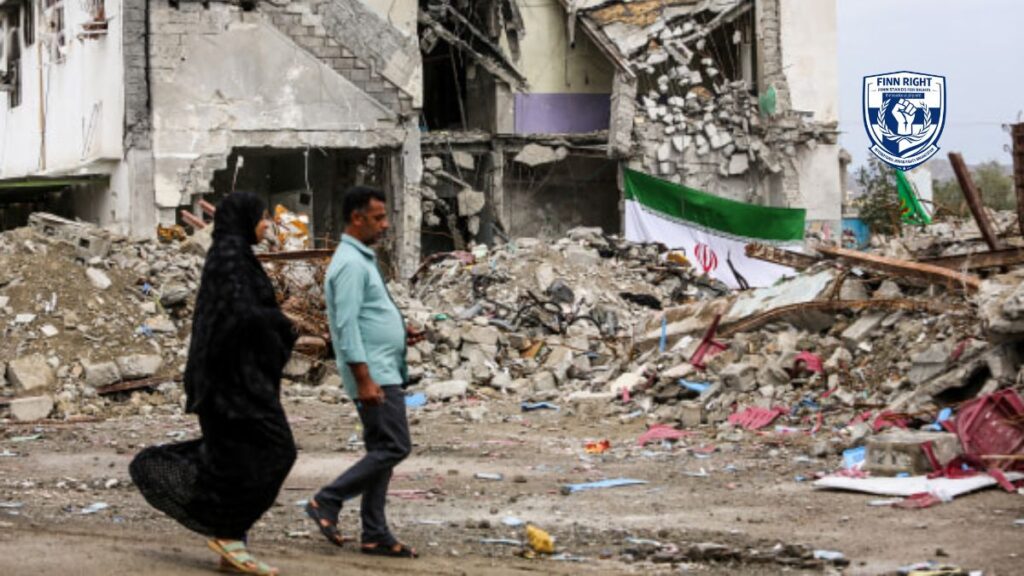
The military operations that led to the Minab strike were part of a broader campaign involving advanced weapons systems and rapid escalation.
In such environments, decisions are often made under pressure, relying on intelligence that may be incomplete or flawed.
According to available reports, the Minab school was hit by two missile strikes in quick succession.
This detail is critical. A second strike following an initial impact raises serious concerns about targeting processes, situational awareness, and the possibility of compounding civilian harm.
The use of high-impact weapons in populated areas significantly increases the risk to civilians. Even when intended targets are military, the proximity to schools, homes, and public spaces makes collateral damage highly likely.
In Minab, the presence of hundreds of children in a school during class hours should have been a clear indicator of civilian status. The failure to prevent such an attack points to deeper systemic issues within military planning and execution.
Targeted Human Rights Violations
The Minab school strike represents multiple, overlapping violations of human rights and humanitarian law.
Violation of the Right to Life
At its core, the attack resulted in the loss of more than 160 young lives. These children were not participants in conflict; they were students engaged in education.
Their deaths represent a fundamental breach of the right to life, one of the most basic protections under international law.
Attack on Civilian Infrastructure
Schools are recognized as civilian objects. They are protected unless they are being used for military purposes, which has not been established in this case.
Striking a school during active hours raises serious questions about target verification and operational judgment.
Failure of Distinction and Proportionality
International humanitarian law requires parties to distinguish between civilian and military targets.
It also demands that any attack be proportionate, meaning the anticipated military advantage must outweigh potential civilian harm.
In Minab, the scale of child casualties strongly suggests a failure to meet these standards. Even if a military objective was suspected, the resulting harm to civilians appears excessive.
Potential Failure of Precaution
The law also requires attackers to take all feasible precautions to minimize civilian harm. This includes verifying targets and choosing methods that reduce risk.
The double-strike nature of the attack raises concerns that these precautions were not adequately followed.
Impact on Individuals and Communities
The consequences of the Minab attack extend far beyond the immediate loss of life.
Trauma and Grief
Families in Minab have lost daughters, sisters, and classmates. The emotional impact is immeasurable. Parents who sent their children to school—a place of safety—are now left with profound grief and unanswered questions.
Survivors, including injured children and teachers, face long-term psychological trauma. The experience of violence in a place of learning can leave lasting scars, affecting mental health and development.
Disruption of Education
The destruction of the school has interrupted education for the entire community. Fear may prevent families from sending children back to school, even if facilities are rebuilt.
For girls, this disruption can have especially long-term consequences, reinforcing existing barriers to education.
Social Fragmentation
Communities rely on schools not only for education but also for social cohesion. The loss of such an institution weakens community bonds and creates a sense of insecurity that affects daily life.
Legal, Political, and Institutional Analysis
The Minab strike must be examined within the framework of international humanitarian law. The Geneva Conventions and related legal principles establish clear obligations for parties in conflict:
- Distinguish between civilians and combatants
- Avoid disproportionate harm
- Take precautions to protect civilian life
- School
The scale and nature of the attack raise serious concerns about whether these obligations were met.
Politically, the incident highlights the limitations of existing accountability mechanisms. When powerful states are involved, investigations may lack transparency or independence.
This undermines trust in the international legal system.
Institutionally, there is a gap between legal standards and enforcement. While laws exist to protect civilians, their effectiveness depends on compliance and accountability—both of which are often weak in active conflicts.
Humanitarian Crisis and Displacement
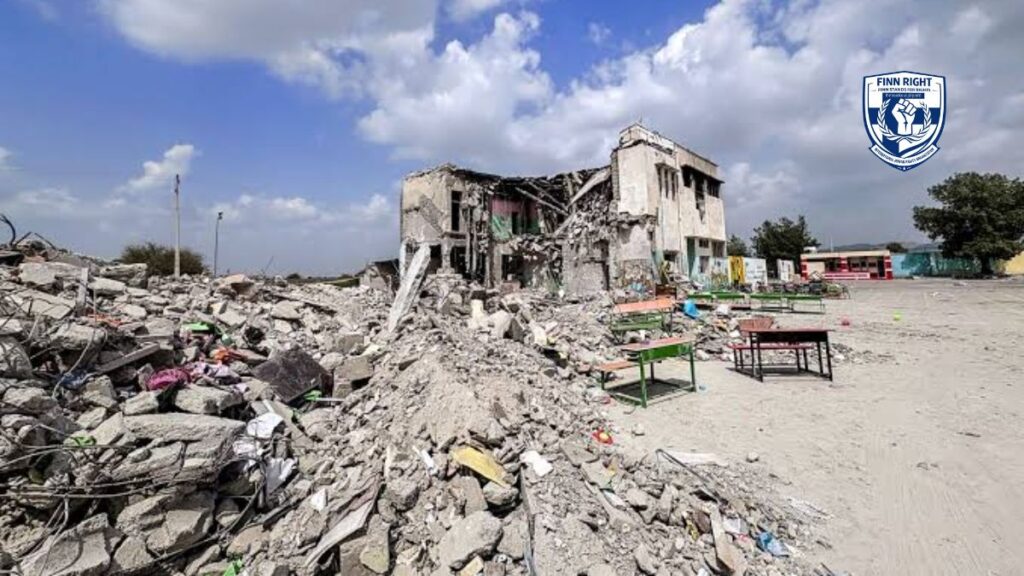
Although the Minab strike is a single event, it contributes to a broader humanitarian crisis.
Families affected by the attack may face displacement, especially if they fear further violence. Injured survivors require medical care, rehabilitation, and psychological support.
Access to healthcare in conflict settings is often limited. Hospitals may be overwhelmed or damaged, complicating treatment for those injured in the strike.
Humanitarian organizations play a critical role in responding to such crises. They provide emergency aid, medical assistance, and support for affected families. However, their ability to operate depends on access and security, which are often restricted in active conflict zones.
Religious Freedom and Identity-Based Dimensions
While the Minab attack is not framed as a religiously targeted incident, it still intersects with broader issues of identity and vulnerability. Children, as a group, are among the most vulnerable in any conflict.
The fact that the victims were schoolgirls also raises concerns about gendered impacts. Attacks on girls’ schools can have long-term consequences, reinforcing fear and limiting opportunities for education and participation in society.
In many contexts, such incidents contribute to patterns of exclusion, where certain groups face greater barriers to safety and development.
Responses, Coping Mechanisms, and Resilience
In the face of such tragedy, communities often demonstrate resilience.
Families and survivors come together to support one another, sharing grief and rebuilding social connections.
Teachers and local leaders may seek alternative ways to continue education, even in temporary or informal settings.
International organizations provide assistance, including medical care and psychosocial support. These efforts are essential in helping communities recover and rebuild.
However, resilience should not be seen as a substitute for accountability. The burden of recovery should not fall solely on victims.
International Response and Global Implications
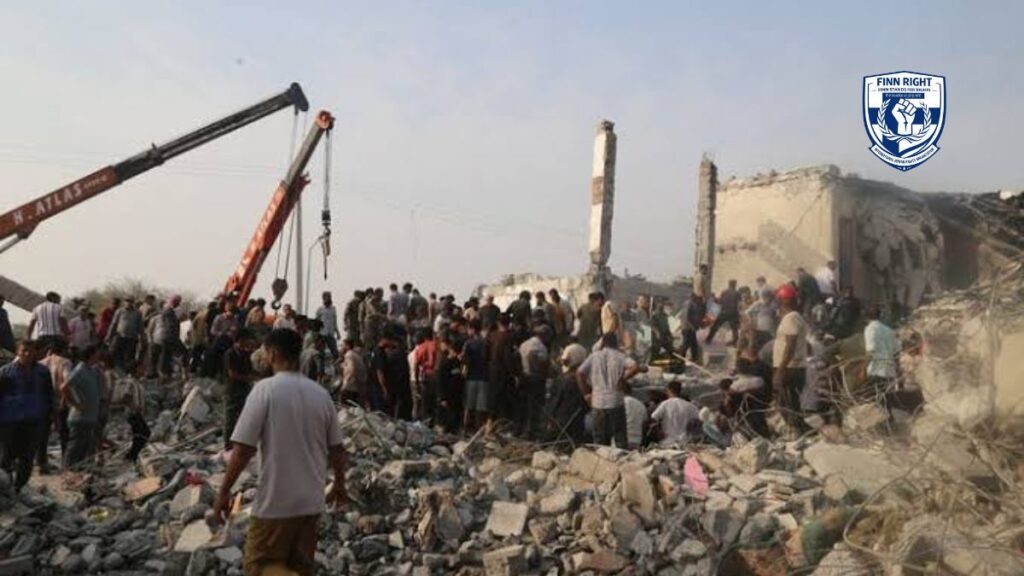
The Minab attack has drawn attention from United Nations bodies and human rights organizations.
Calls for investigation and accountability have been made, emphasizing the need for transparency and adherence to international law.
The global response to such incidents is critical. It shapes norms, influences behavior, and determines whether violations are addressed or ignored.
Failure to respond adequately risks normalizing attacks on civilian infrastructure. It sends a message that such actions can occur without consequence, weakening the entire system of international protection.
Future Risks and Outlook
The Minab strike highlights several risks for the future:
- Continued use of high-impact weapons in civilian areas
- Weak enforcement of international humanitarian law
- Increasing normalization of civilian casualties
- School
Without meaningful accountability, similar incidents are likely to occur. The erosion of protection norms threatens not only children in Iran but civilians in conflict zones worldwide.
At the same time, the global attention generated by this case offers an opportunity. It can serve as a catalyst for stronger protections, improved accountability mechanisms, and renewed commitment to international law.
Conclusion and Call to Action
The attack on the Shajareh Tayyebeh girls’ school in Minab is a profound human rights tragedy. It represents a failure to protect the most vulnerable and a breakdown of the legal and moral frameworks that govern armed conflict.
Children should never be treated as collateral damage. Schools should never become targets. These are not abstract principles; they are fundamental commitments that define humanity’s response to war.
Urgent action is required. An independent and transparent investigation must establish the facts and determine responsibility. Victims and their families must receive support, recognition, and justice.
The international community must reaffirm its commitment to protecting civilians, especially children, and ensure that violations are met with accountability.
When a classroom becomes a site of mass death, the consequences extend beyond one community.
They challenge the credibility of international law and the collective conscience of the world. The response must be clear: the lives of children matter, and their protection must never be compromised.
Read more about school attacks and child rights violations in conflict zones on our site.
One Response