
Gender inequality in Pakistan Nation remains one of the country’s most serious and deeply rooted human rights challenges.
Millions of girls and women continue to face barriers in education, employment, healthcare, inheritance, mobility, and personal safety.
Although legal protections and public awareness have improved in some areas, structural discrimination still shapes everyday life for many women, particularly those living in rural and low-income communities.
The consequences extend far beyond individual suffering. When girls are denied education, when women are underpaid or excluded from work, and when violence is normalized inside homes and communities, the entire society loses human potential, economic strength, and social stability.
According to the input provided, millions of girls remain out of school, women earn significantly less than men, and harmful practices such as child marriage, domestic violence, and deprivation of inheritance continue to affect lives across the country.
This is not only a women’s issue. It is a national development issue, a justice issue, and a human dignity issue.
Understanding gender inequality in Pakistan requires looking beyond isolated incidents and examining the systems, beliefs, and power structures that sustain it.
Background and Historical Context
Pakistan’s gender inequality has historical, social, economic, and political roots. Like many societies, gender roles were shaped over generations by patriarchal traditions that assigned authority, property, and decision-making power largely to men.
Women were often expected to remain within domestic spaces, while men controlled family income, movement, and public representation.
These patterns were reinforced by unequal access to education, limited legal awareness, and social customs that valued sons more highly than daughters.
In many communities, the birth of a boy has traditionally been celebrated as security for the family, while the birth of a girl has sometimes been viewed as a financial burden due to marriage expectations and social restrictions.
Over time, Pakistan has seen important progress. Women have entered universities, politics, business, media, law, healthcare, and civil society.
Urban attitudes have changed in many places, and younger generations increasingly support equality. Yet progress has been uneven.
Rural areas, conflict-affected regions, and marginalized communities often continue to experience severe gender gaps.
This tension between reform and resistance defines the current moment: change is visible, but inequality remains deeply embedded.
Current Situation: Unequal Lives Across Key Sectors
Gender inequality in Pakistan is visible across almost every major sector of life.
Education
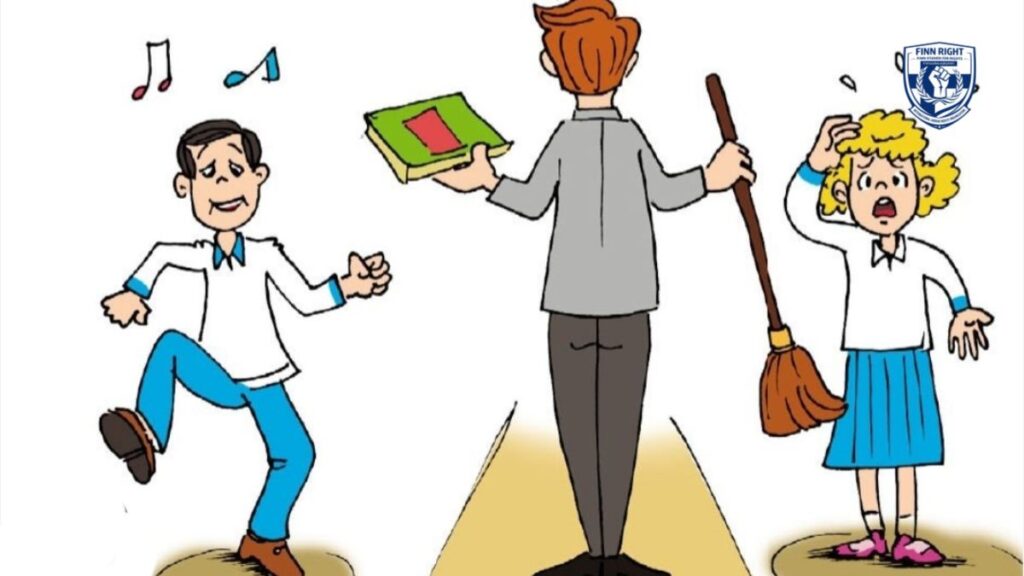
The denial of education remains one of the clearest examples of discrimination. According to the input, approximately 9 million girls are deprived of education, while millions of children overall remain out of school, with girls forming a large share of those excluded.
The reasons are multiple:
- Lack of schools in rural areas
- Long travel distances and safety concerns
- Poverty and inability to afford supplies
- Social beliefs that boys’ education matters more
- Child marriage and domestic responsibilities
- Lack of female teachers in conservative communities
- Nation
When a girl leaves school early, the effects can last a lifetime. She is more likely to face early marriage, low income, poor health outcomes, and reduced independence.
Employment and Economic Inequality
Women in Pakistan often face limited job opportunities and unequal wages. According to the input, women may earn 25 to 30 percent less than men.
Many women also work in informal sectors where wages are low, protections are weak, and labor is often invisible.
Even educated women face barriers such as:
- Hiring discrimination
- Unsafe workplaces
- Harassment
- Pressure to leave work after marriage
- Lack of childcare support
- Restrictions on travel and mobility
- Nation
As a result, the country loses talent, productivity, and innovation.
Healthcare and Nutrition
Girls and women are frequently given lower priority in access to healthcare. In poor households, resources may first go to male family members. This can delay treatment, worsen illness, and increase preventable suffering.
In some areas, women also face:
- Limited maternal healthcare
- Malnutrition
- Lack of reproductive health services
- Restrictions on traveling alone for treatment
- Nation
Health inequality is not only a personal tragedy—it becomes an intergenerational issue affecting mothers and children alike.
Targeted Human Rights Violations
Gender inequality in Pakistan often includes direct rights abuses.
Gender-Based Violence
Women and girls face domestic violence, emotional abuse, coercion, and public harassment. In some communities, violence inside marriage is normalized or treated as a private matter rather than a crime.
This creates fear, silence, and long-term trauma.
Honor Killings
So-called “honor killings” remain among the most extreme forms of gender-based violence. Women may be targeted over marriage choices, relationships, rumors, or behavior seen as violating family expectations.
These crimes are rooted in control, not honor.
Child Marriage
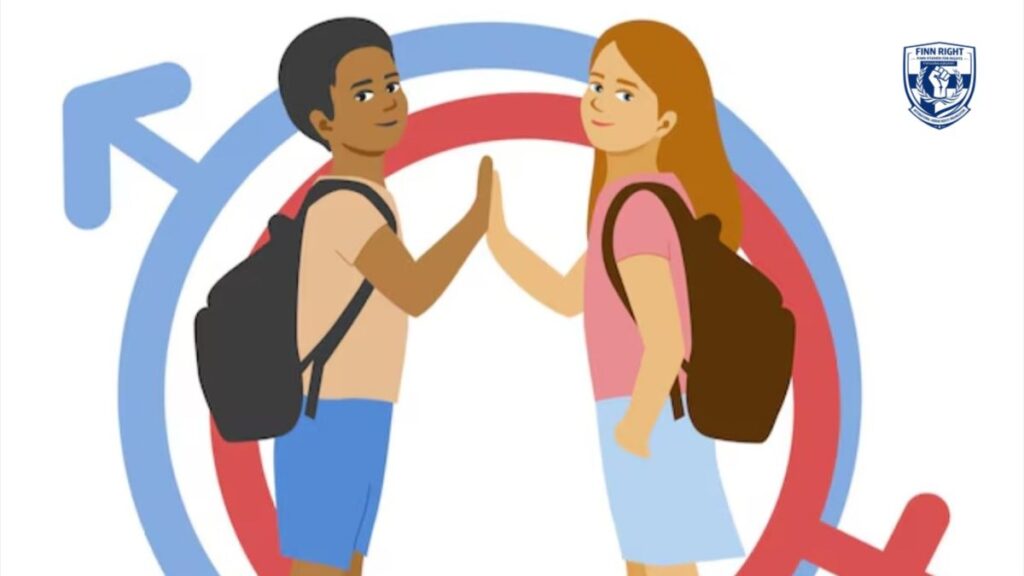
Many girls are married at a young age, especially in poor or traditional communities. Child marriage often ends education, increases health risks, and places girls into unequal adult responsibilities before emotional maturity.
Deprivation of Inheritance
Although women may have legal rights to inheritance, many are pressured to surrender property or are denied it entirely through family coercion or social pressure.
This keeps women economically dependent and vulnerable.
Impact on Individuals and Communities
Behind every statistic is a human life shaped by lost opportunity.
Lost Childhoods
A girl withdrawn from school may spend her days doing unpaid labor at home while her brothers study. Her dreams shrink before adulthood begins.
Fear and Restricted Movement
Women facing harassment in markets, workplaces, public transport, or streets may avoid travel altogether. This limits education, employment, and independence.
Family Pressure
Many women must choose between personal ambitions and family expectations. Pursuing study or work can bring conflict, criticism, or isolation.
Social Fragmentation
When half the population is denied full participation, communities suffer lower trust, weaker institutions, and slower progress.
Why This Happens: Systems, Beliefs, and Power
Gender inequality persists not because of one law or one event, but because multiple systems reinforce each other.
Patriarchal Norms
Many communities continue to place authority with men and obedience with women. These beliefs shape decisions about education, marriage, money, and movement.
Economic Insecurity
Poor families may prioritize sons when resources are limited, believing boys will financially support parents later.
Weak Enforcement of Rights
Even where laws exist, enforcement can be inconsistent. Victims may face delays, stigma, corruption, or pressure to settle quietly.
Silence and Social Acceptance
Abuse survives when communities normalize it. If harassment, wife beating, or inheritance denial are seen as “normal,” victims are less likely to seek help.
Legal, Political, and Institutional Analysis
Pakistan has laws and institutions intended to protect women, but implementation gaps remain significant.
Challenges often include:
- Slow justice processes
- Limited police sensitivity in gender cases
- Lack of shelters and support services
- Low legal awareness among women
- Pressure from family elders to avoid complaints
- Unequal access in rural areas
- Nation
International human rights standards recognize equality, education, safety, fair work, and freedom from discrimination as fundamental rights. Where women cannot access these equally, states have a responsibility to improve protections.
Humanitarian and Development Consequences
Gender inequality is also a development crisis.
When girls are excluded from school:
- National literacy suffers
- Household incomes stay lower
- Child health outcomes worsen
- Poverty cycles continue
- Nation
When women cannot work safely:
- Families lose income
- Businesses lose skilled workers
- The economy loses growth potential
- Nation
When violence is widespread:
- Healthcare burdens rise
- Trauma increases
- Social cohesion weakens
- Nation
Equality is not separate from development—it is central to it.
Education as the Turning Point
The input rightly emphasizes that educating women benefits an entire generation. This is one of the most powerful truths in development policy.
An educated woman is more likely to:
- Ensure children attend school
- Access healthcare
- Earn income
- Participate in decisions
- Resist abusive practices
- Strengthen community wellbeing
- Nation
Educated families often better understand this connection, which is why attitudes tend to improve with literacy and awareness.
Responses, Coping Mechanisms, and Resilience
Despite barriers, Pakistani women and girls continue to resist inequality in powerful ways.
Families Choosing Change
Many parents now prioritize daughters’ education and careers, especially in urban and semi-urban areas.
Women Leading in Every Sector
Women are succeeding as teachers, doctors, lawyers, journalists, entrepreneurs, engineers, and public officials.
Civil Society and Advocacy
Organizations, activists, and rights groups continue campaigning for:
- Girls’ education
- Legal reform
- Protection from violence
- Workplace equality
- Political participation
Digital Empowerment
Online learning, business platforms, and social media have opened new spaces for women to learn, earn, and organize.
International Response and Global Implications
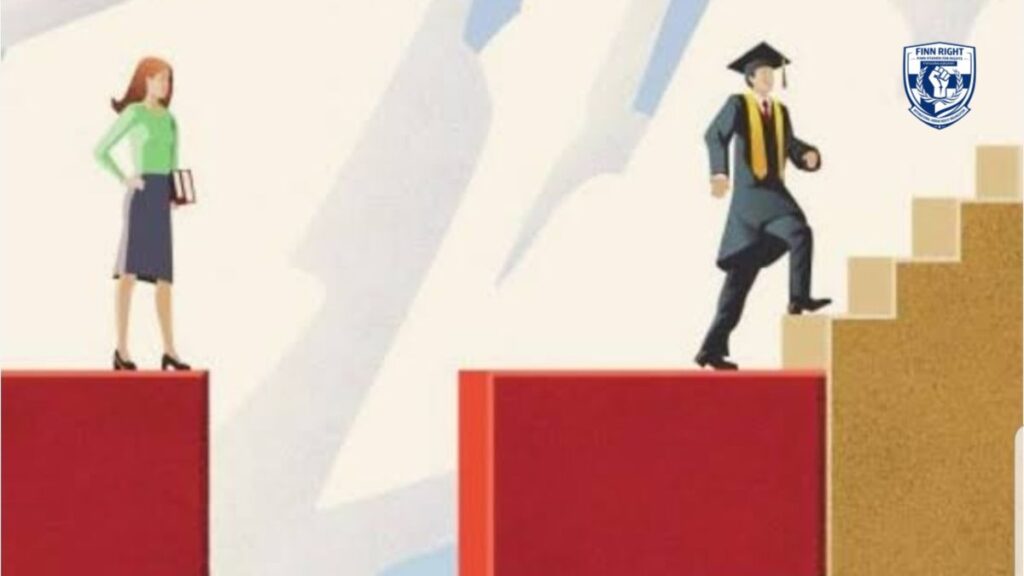
Gender inequality in Pakistan also matters globally. Countries with large youth populations play major roles in regional stability and economic growth. When millions of girls are left behind, the effects reach beyond borders.
International institutions and partners often support:
- School access programs
- Maternal health services
- Women’s entrepreneurship
- Legal reform initiatives
- Community awareness campaigns
However, lasting change must be locally owned and culturally grounded.
Future Risks and Outlook
Pakistan stands at a crossroads.
Risks if Inequality Continues
- More girls leaving school
- Rising child marriage in poor areas
- Economic underperformance
- Continued violence and fear
- Deepened rural-urban divides
Reasons for Hope
- Changing public attitudes
- Rising female education rates in many areas
- Youth support for equality
- Stronger public discussion of abuse
- Growing women-led leadership networks
The future depends on whether reform outpaces resistance.
Conclusion and Call to Action
Gender inequality in Pakistan is not inevitable. It is the result of choices, systems, and beliefs that can be changed. Millions of girls denied education, women paid less for equal work, survivors facing violence, and daughters denied inheritance all reflect barriers created by society—not destiny.
Real progress requires action at every level:
- Build and fund safe schools for girls
- Enforce laws against violence and child marriage
- Protect inheritance and workplace rights
- Expand healthcare access for women
- Teach equality within families and schools
- Support women’s leadership in public life
No society can fully progress while half its people are held back. Pakistan’s future strength depends on whether its women and girls are treated not as burdens or dependents, but as equal citizens with equal rights, equal dignity, and equal opportunity.
Read more about women’s rights and human rights issues in the nation on our site.