
The sentencing of Kashmir political activist Asiya Andrabi to life imprisonment marks a critical moment in the ongoing human rights debate surrounding Indian-administered Kashmir.
Her case raises urgent questions about freedom of expression, political dissent, and the treatment of activists in conflict regions.
For decades, Kashmir has been a flashpoint of political tension, armed conflict, and competing national narratives.
Within this environment, individuals who challenge state policies often face severe consequences.
The imprisonment of a 64-year-old woman who has spent much of her life advocating for Kashmiri rights highlights broader concerns about the shrinking space for dissent.
It also underscores the intersection of gender, politics, and conflict, where women activists face unique risks and scrutiny.
This case is not only about one individual but reflects a larger pattern of restrictions on civil liberties in the region.
Background and Historical Context
Kashmir has long been at the center of geopolitical tension between India and Pakistan.
Since the partition of British India in 1947, the region has witnessed multiple conflicts, political unrest, and a heavy military presence.
The area administered by India has experienced decades of insurgency and counterinsurgency operations, leading to widespread allegations of human rights abuses.
Asiya Andrabi was born in 1962 into the Andrabi Syed family, a respected Sufi lineage tracing back to Syed Mir Mirak Andrabi.
Growing up in Kashmir during periods of political unrest, she witnessed firsthand the tensions between local populations and state forces. These experiences shaped her political outlook and activism.
Over the years, Kashmir has seen cycles of protest, militarization, and repression.
Laws granting extended powers to security forces have often been criticized by human rights organizations for enabling impunity. In this environment, activism is not merely political—it is deeply tied to identity, survival, and resistance.
Conflict Dynamics and Current Situation
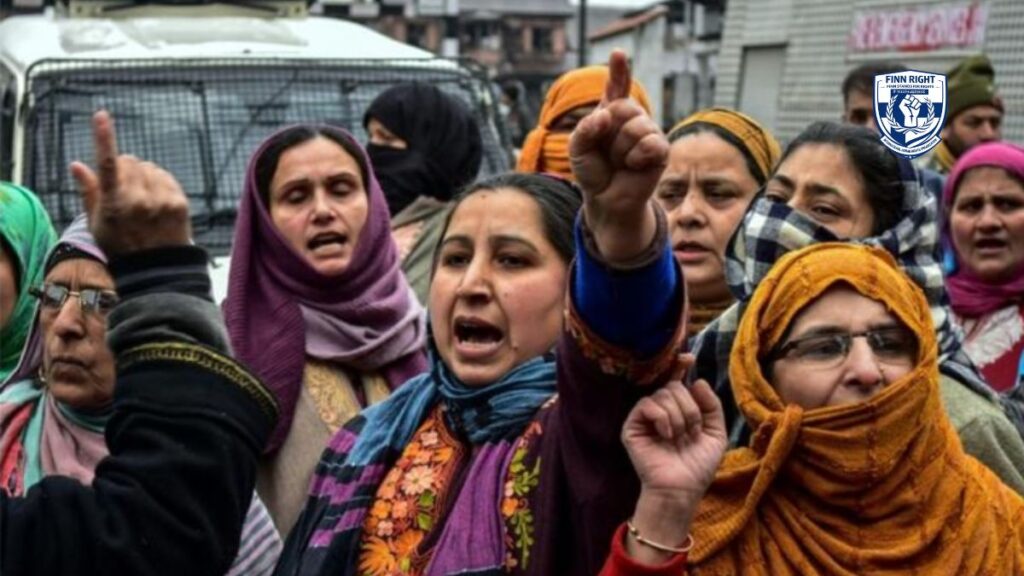
The situation in Indian-administered Kashmir remains complex and volatile.
A strong military presence, ongoing political disputes, and periodic outbreaks of violence have created a climate of uncertainty.
Civilian life is heavily influenced by security concerns, with restrictions on movement, communication, and assembly often imposed.
Activists like Asiya Andrabi operate within this constrained space. Her organization, Dukhtaran-e-Millat (Daughters of the Nation), was established to advocate for Kashmiri rights, particularly focusing on issues affecting women.
Over time, her activism brought her into direct conflict with state authorities.
In July 2018, she was taken into custody by the National Investigation Agency (NIA). After years of legal proceedings, an Indian court sentenced her to life imprisonment on March 24, 2026.
The severity of the sentence has drawn attention to how dissent is handled in conflict zones.
Targeted Human Rights Violations
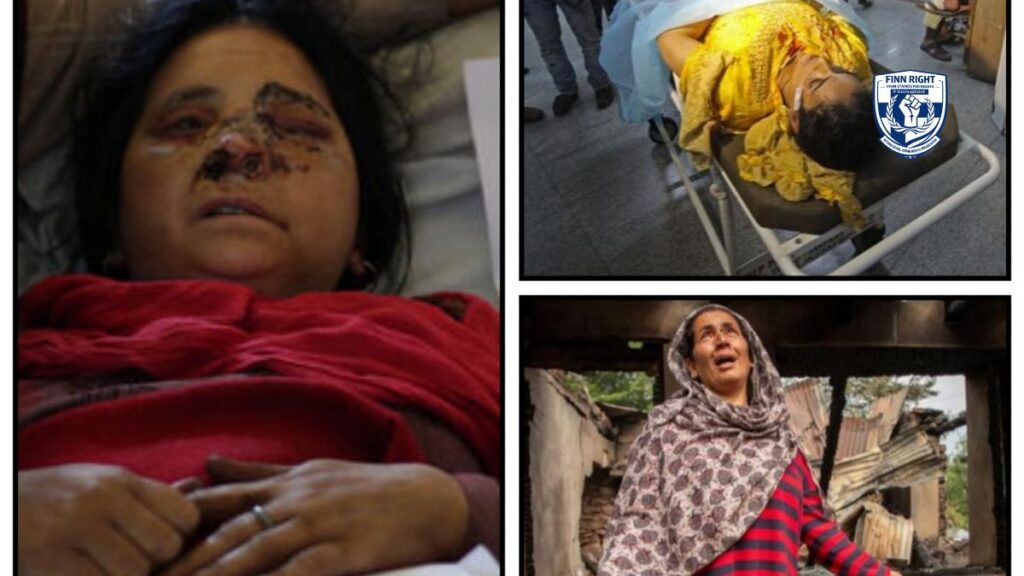
The case of Asiya Andrabi highlights several key areas of concern in the context of human rights:
Suppression of Political Dissent
Activists who challenge state narratives often face arrest, detention, and prosecution. Long prison sentences for political expression raise concerns about the right to free speech and peaceful assembly.
Arbitrary Detention and Repeated Imprisonment
Throughout her life, Andrabi has been detained multiple times. Repeated arrests create a pattern that suggests a broader effort to silence voices rather than address specific criminal acts.
Gender-Specific Challenges
As a female activist, she represents a minority within political movements often dominated by men.
Women activists frequently face additional scrutiny, societal pressure, and risks, including threats to their safety and reputation.
Criminalization of Symbolic Protest
Her 2015 act of slaughtering a cow to protest restrictions on beef consumption was a symbolic act of defiance.
The response to such actions raises questions about proportionality and the limits of state authority in regulating personal and cultural practices.
Impact on Individuals and Communities
The imprisonment of a prominent activist has far-reaching effects beyond the individual case.
Community Impact
For many Kashmiris, figures like Asiya Andrabi symbolize resistance and advocacy. Her imprisonment may discourage others from speaking out, creating a climate of fear.
Family and Social Consequences
Long-term imprisonment affects not only the individual but also their family. Separation, emotional strain, and social stigma are common consequences faced by relatives of political detainees.
Psychological Effects
Living in a region marked by conflict and repression can lead to widespread psychological stress. The arrest of activists reinforces a sense of vulnerability among the population.
Legal, Political, and Institutional Analysis
The legal framework in Kashmir has often been criticized for granting broad powers to security agencies.
Laws related to national security and anti-terrorism are frequently used to detain individuals for extended periods.
In the case of Asiya Andrabi, her life sentence raises questions about the balance between national security and individual rights.
International human rights standards emphasize the importance of fair trials, proportional punishment, and the protection of freedom of expression.
Critics argue that legal systems in conflict zones can become tools of political control, particularly when oversight mechanisms are weak.
The use of such laws against activists highlights the tension between state authority and civil liberties.
Humanitarian Crisis and Displacement
While the focus of this case is on political imprisonment, it is important to situate it within the broader humanitarian context of Kashmir.
Decades of conflict have led to displacement, economic instability, and limited access to essential services in some areas.
The presence of heavy security forces and frequent disruptions to daily life contribute to a sense of instability.
For many residents, basic rights such as education, healthcare, and employment are affected by the ongoing situation.
Religious Freedom and Identity-Based Persecution
Religion and identity play a significant role in the Kashmir conflict. As a Muslim-majority region governed by India, issues of identity are deeply intertwined with politics.
Activists like Asiya Andrabi often frame their advocacy within broader discussions of cultural and religious rights. This can lead to increased scrutiny and accusations of separatism or extremism.
The intersection of religion, politics, and security creates a complex environment where expressions of identity may be viewed through a political lens.
Responses, Coping Mechanisms, and Resilience
Despite challenges, communities in Kashmir have developed ways to cope with ongoing pressures.
- Grassroots Activism: Local organizations continue to advocate for rights, often operating under difficult conditions.
- Community Support Networks: Families and communities provide mutual support to those affected by arrests and detentions.
- International Awareness: Human rights organizations play a role in highlighting cases and advocating for accountability.
- Kashmir
These responses reflect resilience in the face of adversity, although they are often limited by structural constraints.
International Response and Global Implications

The case of Asiya Andrabi has implications beyond Kashmir. It raises broader questions about how states handle dissent and the role of international norms in protecting human rights.
Global reactions to such cases are often shaped by geopolitical considerations.
While some organizations and governments express concern, responses can be inconsistent.
This highlights the challenges of enforcing international human rights standards in politically sensitive regions.
Future Risks and Outlook
The future of human rights in Kashmir remains uncertain. Continued restrictions on dissent could further limit civic space and increase tensions.
Key risks include:
- Escalation of Political Repression: More activists may face similar legal actions.
- Erosion of Trust: Public confidence in institutions may decline.
- Long-Term Instability: Without addressing underlying issues, cycles of conflict may persist.
- Kashmir
At the same time, increased international attention could encourage dialogue and reforms.
Conclusion and Call to Action
The life sentence of Asiya Andrabi is a significant moment in the ongoing human rights discourse surrounding Kashmir.
It reflects broader challenges related to freedom of expression, political dissent, and the role of law in conflict zones.
Addressing these issues requires a balanced approach that respects security concerns while upholding fundamental rights.
Independent monitoring, legal reforms, and open dialogue are essential steps toward ensuring justice and accountability.
Ultimately, the situation in Kashmir underscores a universal principle: the protection of human rights is not optional, even in times of conflict.
The voices of those affected must be heard, and efforts to silence dissent must be carefully examined within the framework of international law and human dignity.
Read more about human rights struggles and Kashmiri activism on our dedicated Kashmir rights coverage page.