Freedom of the press is a cornerstone of democracy, a shield for truth, and a lifeline for accountability. Yet, in the ongoing conflict in Gaza, journalists have increasingly become Targeting rather than observers.
Reports indicate that Israeli forces have deliberately attacked journalists, media crews, and photographers, treating them as legitimate combatants.
This alarming trend has not only resulted in the death of dozens of journalists but has also fostered a climate of fear and self-censorship that imperils the very foundation of independent reporting.
Human rights organizations, press freedom advocates, and international media watchdogs have condemned these acts, emphasizing that targeting journalists constitutes a war crime under international law.
Late March 2026 marked one of the most harrowing chapters in this ongoing crisis. Several prominent journalists, including Al Jazeera reporters, were killed in targeted strikes in Gaza City.
The killings drew widespread condemnation from organizations such as the Committee to Protect Journalists (CPJ), the United Nations, and Al Jazeera itself.
These attacks underscore a disturbing reality: journalists in Gaza are increasingly exposed to life-threatening risks simply for documenting events, sharing information, and holding power to account.
Background and Historical Context
The Israel-Palestine conflict has spanned decades, rooted in territorial disputes, political sovereignty, and deep-seated historical grievances.
Gaza, a densely populated enclave, has long been a focal point of military confrontations. Media coverage has often been crucial in highlighting the humanitarian impact of the conflict, documenting civilian casualties, infrastructure destruction, and violations of international law.
Historically, journalists in Gaza have operated under extreme conditions. During previous conflicts, reporting was hindered by blockades, restricted movement, and intermittent communications blackouts.
The 2023–2026 Gaza escalation, however, represents a shift: journalists are no longer merely impeded—they are deliberately targeted.
This intensification has coincided with advanced surveillance technologies, drone strikes, and precision targeting of locations used by media crews.
International law, including the Geneva Conventions, explicitly protects journalists in conflict zones, recognizing them as civilians unless they directly engage in hostilities.
Despite this, attacks on media personnel in Gaza have become a recurring feature of military operations, raising urgent questions about accountability and the rule of law.
Conflict Dynamics and Current Situation
The recent Gaza escalation has intensified hostilities between Israeli Defense Forces (IDF) and various Palestinian factions, notably Hamas.
Military operations have expanded across Gaza City, Jabalia, and surrounding districts, resulting in significant civilian casualties. Amid this chaos, journalists are increasingly caught in crossfire or deliberately targeted.
- Patterns of Attacks: Multiple reports indicate that Israeli strikes have specifically targeted journalists’ tents, offices, and residential areas where reporters live. Drone surveillance and aerial reconnaissance have been used to track media movements.
- Key Actors: The IDF remains the primary actor implicated in these targeted strikes. Local Palestinian media crews and freelance journalists operate in perilous conditions, often with limited protection. International media organizations, including Al Jazeera, face constant operational hazards.
- Breakdown of Governance: Gaza’s governance structures, strained by ongoing conflict and economic blockades, struggle to provide safety or accountability mechanisms for journalists. The result is a near-lawless environment for media personnel, where their rights are repeatedly violated with little recourse.
- Targeting
Targeted Human Rights Violations
Attacks on journalists in Gaza constitute clear human rights violations and, in many instances, war crimes. The patterns of abuse are systematic, deliberate, and widely documented:
Killings and Physical Assaults
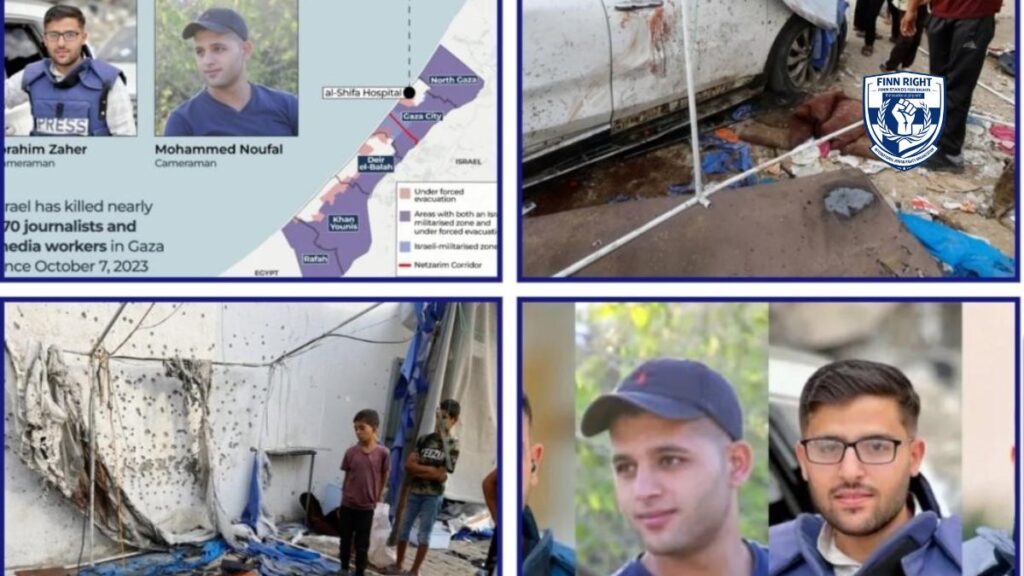
- Fatalities: Late March 2026 saw the deaths of four Al Jazeera journalists, including 28-year-old correspondent Anas al-Sharif, cameraman Ibrahim Zaher, correspondent Mohammed Qreiqeh, and crew driver Mohammed Noufal. Freelance journalists, including Moamen Aliwa and Mohammed al-Khaldi, were also killed. These journalists were engaged in reporting and media production, not combat.
- Targeting Homes and Offices: Reports indicate that journalists were killed in their homes or in media tents, challenging Israel’s claims that they were combatants. The IDF alleged that some reporters had links to militant groups, but these claims remain unverified and have not been substantiated by credible evidence.
- Targeting
Harassment and Intimidation
- Seizure of Equipment: Journalists frequently report cameras, laptops, and recording equipment being confiscated by Israeli soldiers, hampering their ability to report safely.
- Arbitrary Arrests: Media personnel face arrests, questioning, and detention without clear charges, creating an atmosphere of fear that undermines press freedom.
- Targeting
Discrimination Against Journalists
- Alleged Combatant Accusations: The IDF has repeatedly accused journalists of acting as combatants or assisting militant operations without providing public, verifiable evidence. This blanket accusation undermines their civilian protections under international law.
- Targeting of Foreign and Local Media: Both Palestinian and international journalists covering Gaza are equally vulnerable, signaling systemic disregard for media neutrality.
- Targeting
Impact on Individuals and Communities
The human cost of these targeted attacks extends far beyond individual journalists:
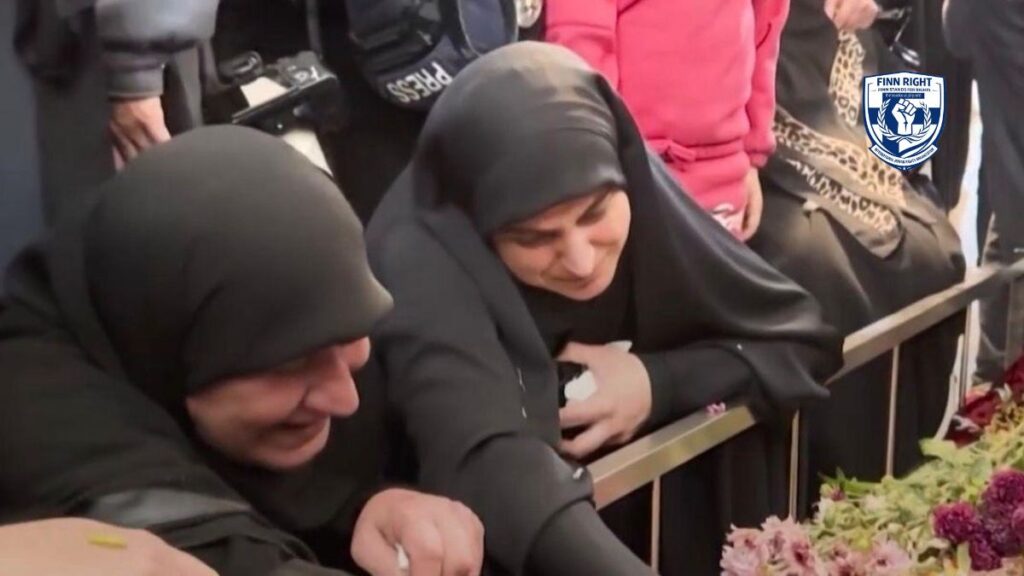
- Family Tragedies: Many journalists killed in strikes left behind grieving families. For instance, Mohammed Noufal’s mother and brother had previously been killed in Israeli attacks, compounding the personal toll of the conflict.
- Displacement of Journalists: Threats and attacks force media personnel to relocate repeatedly, disrupting their professional and personal lives.
- Fear and Self-Censorship: Surviving journalists often limit reporting or avoid sensitive topics out of fear, restricting the flow of information to local and global audiences.
- Social Fragmentation: Communities lose critical information channels when media operations are interrupted, increasing misinformation and vulnerability among civilians.
- Targeting
Legal, Political, and Institutional Analysis
International human rights law provides robust protections for journalists, yet enforcement remains weak:
- Geneva Conventions: Journalists are considered civilians in conflict zones and should not be targeted unless directly participating in hostilities.
- International Criminal Law: Deliberate targeting of journalists constitutes a war crime under the Rome Statute of the International Criminal Court (ICC).
- Accountability Failures: Despite multiple complaints and condemnations, Israeli authorities have largely failed to investigate incidents thoroughly or hold perpetrators accountable.
- Policy Gaps: There is a lack of clear, enforceable protocols to prevent targeting of media personnel, enabling ongoing violations.
- Targeting
Humanitarian Crisis and Displacement
The targeting of journalists occurs within the broader humanitarian crisis in Gaza:
- Scale of Displacement: Continuous strikes have displaced thousands of families, including media workers and their relatives.
- Access to Essentials: Disruption of communications, electricity, and transportation affects journalists’ ability to access food, water, and medical care.
- Role of Humanitarian Organizations: Local and international NGOs work to provide shelter, legal aid, and psychological support to affected journalists and their families, though resources remain insufficient.
Religious Freedom and Identity-Based Persecution
While this report primarily focuses on journalists, intersecting issues of identity-based targeting exist:
- Alleged Political Affiliations: Journalists accused of having ties to specific factions may face disproportionate risks.
- Ethnic and Religious Minorities: Media personnel from minority backgrounds may face compounded vulnerabilities, particularly when their identities are linked to perceived political sympathies.
- Targeting
Responses, Coping Mechanisms, and Resilience
Despite immense challenges, journalists and communities have developed adaptive strategies:
- Underground Reporting Networks: Media crews operate covertly, sharing information via encrypted channels to avoid detection.
- International Support: Organizations like the Committee to Protect Journalists (CPJ), Reporters Without Borders, and Finn Stands For Rights provide legal aid, advocacy, and emergency funds.
- Digital Adaptations: Journalists increasingly use remote reporting, online platforms, and virtual interviews to minimize physical risk while maintaining information flow.
- Targeting
International Response and Global Implications
The international community has expressed concern but action remains limited:
- UN Condemnations: The United Nations has issued statements condemning the targeting of journalists and calling for accountability.
- Media Freedom Advocacy: Global press freedom groups highlight Israel’s repeated targeting of reporters, pressuring governments and international bodies to act.
- Geopolitical Ramifications: Failure to protect journalists in Gaza undermines global norms on press freedom, potentially emboldening other states to disregard protections for media personnel.
- Targeting
Future Risks and Outlook
The risks for journalists in Gaza remain acute:
- Escalation of Violence: Continued military operations could lead to additional targeted killings and injuries.
- Long-Term Implications: Sustained attacks may result in permanent reductions in media coverage, weakening transparency and eroding public trust.
- Legal Precedents: Lack of accountability risks normalizing impunity for targeting journalists in conflict zones globally.
- Targeting
Conclusion and Call to Action
The targeted killings of journalists in Gaza are not isolated incidents—they represent a systemic assault on press freedom, human rights, and accountability.
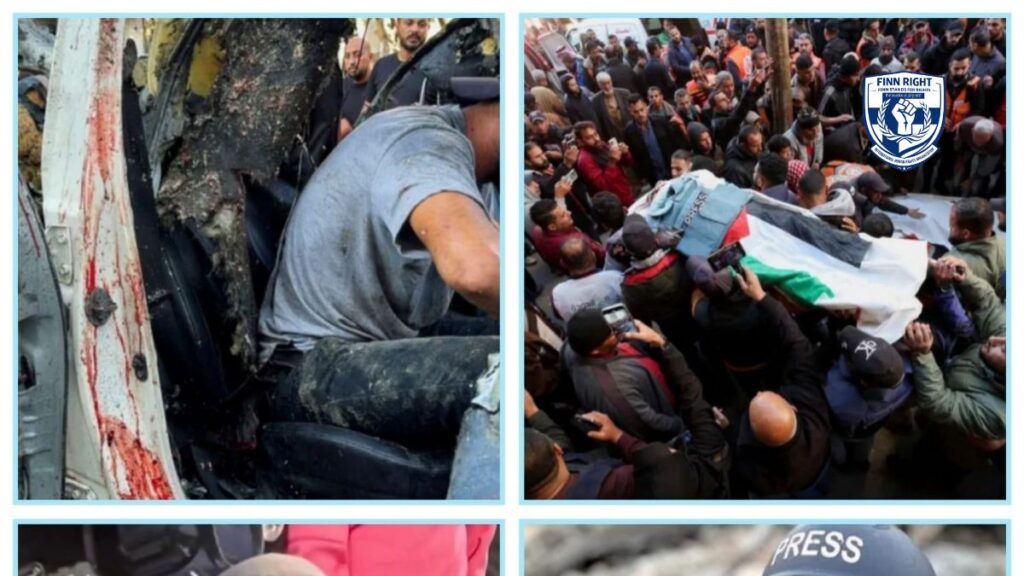
Journalists like Anas al-Sharif, Mohammed Qreiqeh, Ibrahim Zaher, and their colleagues risked their lives to inform the world, yet they were killed while performing their duties.
Human rights organizations, international media, and governments must take immediate and decisive action:
- Demand the immediate investigation of all attacks on journalists.
- Ensure those responsible are held accountable through war tribunals or the International Criminal Court.
- Establish clear protections for journalists in conflict zones to prevent future targeting.
- Provide support, compensation, and protection for affected families.
- Targeting
Standing up for journalists is more than defending one profession—it is defending truth, transparency, and the public’s right to know. Until accountability is achieved, the silence of the fallen journalists should echo as a call for justice, vigilance, and unwavering support for press freedom worldwide.
“Read more on Israel targeting journalists in conflict zones and the ongoing human rights crisis in Gaza and Lebanon”
it ia war crime